


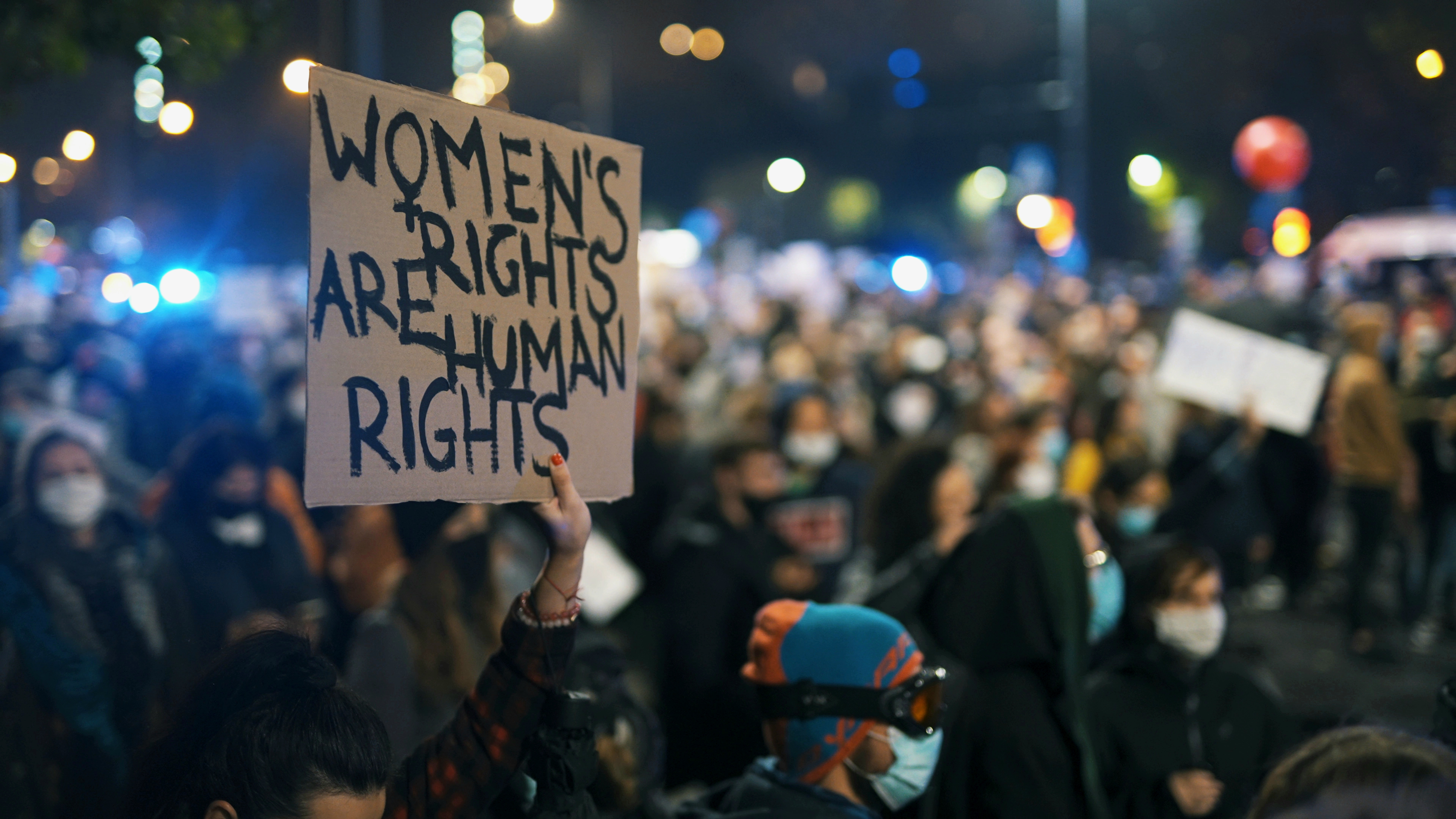


Feminism was founded on a simple and powerful moral claim: that women are entitled to the same human dignity, freedom, and legal protection as men. Yet in the modern era, that universal promise has fractured into something far narrower. Increasingly, Western feminist activism focuses almost entirely on cultural and political debates inside wealthy democratic societies while overlooking women who face systemic violence, legal inferiority, and state-enforced subjugation elsewhere in the world. The movement chooses its causes.
This narrowing of attention has produced what critics describe as selective feminism. It is a version of the movement that champions lifestyle autonomy, language debates, and representation controversies in free societies, but shows little sustained engagement with women living under religious or authoritarian legal systems that openly deny basic rights.
The result is a troubling moral imbalance. Women in the most dangerous and restrictive environments on Earth are too often left without serious international advocacy.
Where Oppression Is Codified Into Law
In multiple regions of the world, female inequality is not a cultural debate. It is written into law, enforced by courts, and punished through imprisonment, corporal penalties, or death.
In Iran, women are legally compelled to follow strict dress codes. Morality patrols monitor public behavior. Violations can lead to detention, physical punishment, or worse. Women require male guardian approval for many life decisions. Testimony by women in court holds reduced legal weight. Political dissent by women is routinely criminalized.
In Yemen, years of conflict have magnified long-standing gender restrictions. Child marriage remains widespread. Female access to education and health care has collapsed. Women face extreme barriers to employment, mobility, and personal autonomy. Gender-based violence is often unpunished.
In Syria, years of civil war have devastated legal protections. Forced marriages, trafficking, and exploitation of women have risen sharply. Armed factions impose varying religious codes that heavily restrict women’s public presence, dress, and freedom of movement.
In parts of northern Nigeria, radical Islamist groups have kidnapped, forced into marriage, enslaved, and murdered women and girls. Educational access for females has been deliberately attacked. Communities remain destabilized by ongoing threats.
These are not abstract policy disagreements. They are environments where girls are denied schooling, women are legally unequal by design, and personal autonomy is suppressed through force.
Silence From High-Profile Advocacy Networks
Despite these realities, major Western feminist organizations and media campaigns rarely sustain prolonged attention on these issues. When they do, coverage is often brief, symbolic, and quickly replaced by domestic political debates.
Large advocacy platforms routinely mobilize millions of followers to challenge speech norms, advertising imagery, or corporate hiring practices, yet rarely maintain the same urgency for women imprisoned for violating dress codes, denied inheritance rights, or forced into marriage by law.
This imbalance raises an uncomfortable question. If feminism is meant to be universal, why are the women who face the most brutal legal and physical repression so often peripheral to global feminist discourse?
The Cost Of Cultural Relativism
One reason for this pattern is the growing influence of cultural relativism. Some Western institutions have become hesitant to criticize gender oppression when it is embedded in religious or non-Western cultural systems. Concern about appearing insensitive or politically incorrect has increasingly replaced moral clarity.
This approach has a cost. When female subjugation is reframed as a cultural difference rather than a human rights violation, real suffering becomes invisible. Silence allows abusive systems to continue unchallenged.
Human dignity does not depend on geography, religion, or political identity. When women are denied legal equality, freedom of movement, education, or bodily autonomy, these are not cultural preferences. They are violations of fundamental rights.
Who Pays The Price For Selectivity
Selective feminism does not merely fail to help vulnerable women. It actively distorts public understanding of what gender oppression actually looks like.
In free societies, debates over language norms, entertainment content, and social roles dominate headlines. Meanwhile, women who are legally barred from leaving their homes without male permission remain almost entirely absent from mainstream advocacy campaigns.
This distortion creates a false moral center. It teaches younger generations that gender justice is primarily about symbolic representation, rather than survival, safety, and legal equality.
The Global Feminist Gap
True global feminism would prioritize women who face the harshest legal, cultural, and physical restrictions. It would consistently spotlight imprisoned protestors, victims of forced marriage, survivors of honor violence, and girls denied education.
It would pressure governments and international bodies to enforce human rights standards. It would support local reformers risking their lives for change. It would amplify women who live under systems that openly deny them personhood under law.
Without that focus, feminism risks becoming a narrow political brand rather than a genuine universal human rights movement.
A Universal Standard Or None At All
Human rights cannot be selectively applied. Either women everywhere deserve legal equality, bodily autonomy, education, and safety, or the concept loses its moral authority.
If feminism cannot defend women where oppression is most severe, its credibility erodes. The movement must decide whether it stands for universal human dignity or for curated political convenience.
The women of Iran, Yemen, Syria, Nigeria, and countless other regions deserve more than symbolic acknowledgment. They deserve consistent global advocacy, legal pressure, and moral clarity.
Selective feminism leaves them behind.
Featured image credit: DepositPhotos.com