
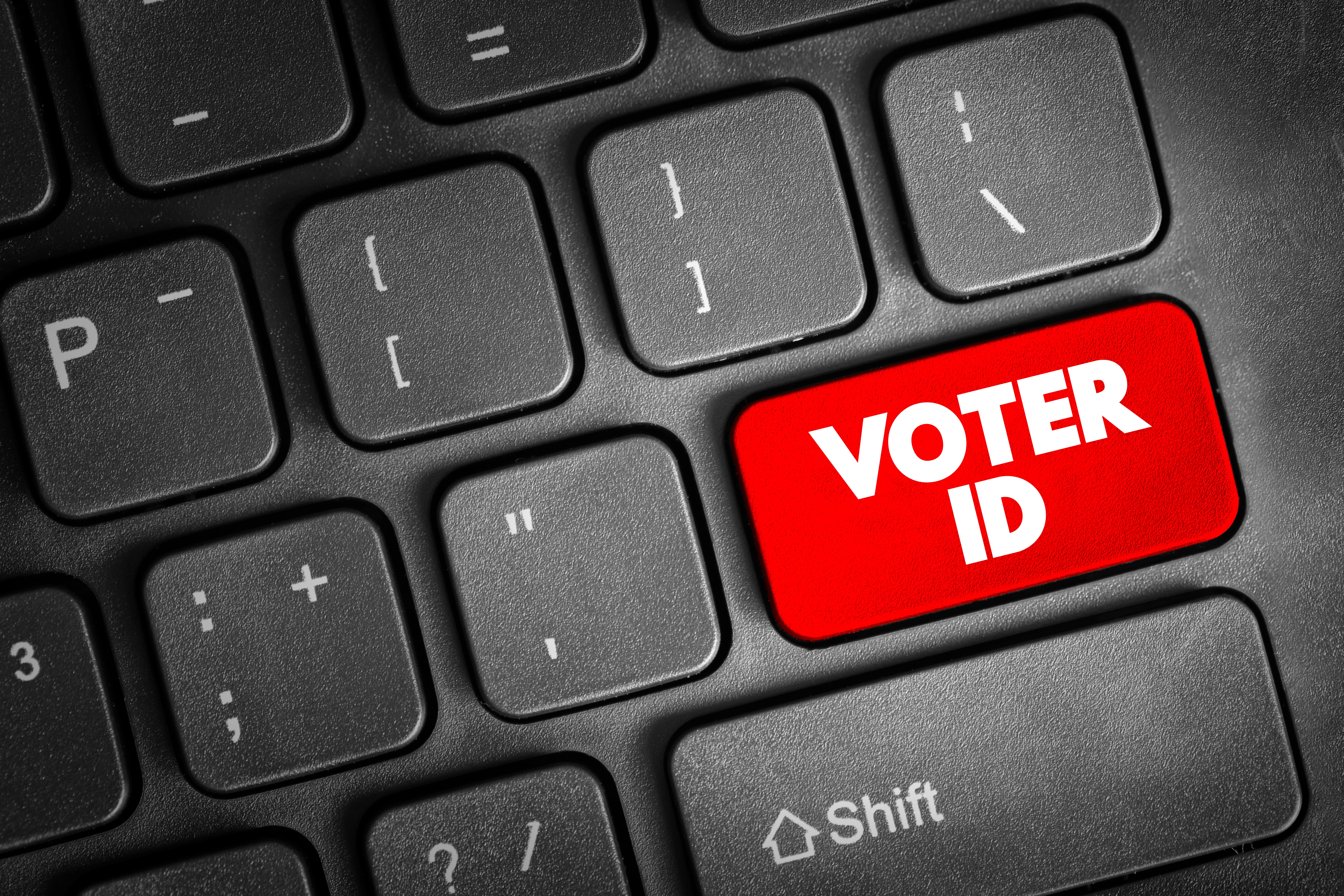


In a razor-thin but historic 216–215 vote, the United States House of Representatives advanced the SAVE America Act, sending a powerful message that election integrity remains at the forefront of national concern. The legislation, which requires voter identification and proof requirements in federal elections, represents a decisive step toward restoring confidence in the democratic process.
At a time when Americans across the political spectrum continue to express concern about transparency and trust in elections, this vote signals that lawmakers are listening. By advancing the SAVE America Act, the House has embraced a commonsense principle: participation in federal elections should be secure, verifiable, and consistent nationwide.
A One-Vote Margin That Speaks Volumes
The 216–215 outcome underscores how critical and closely watched this legislation has become. Every vote mattered. In many ways, that narrow margin reflects the broader national conversation. Millions of Americans believe that requiring voter ID and documented proof for federal elections is not controversial, but practical.
The close vote also demonstrates resolve. Leadership pressed forward despite intense opposition, debate, and political pressure. That willingness to stand firm suggests that advocates view election integrity not as a partisan talking point, but as a foundational issue that transcends election cycles.
Why Voter ID And Proof Requirements Matter
At its core, the SAVE America Act addresses a simple question: how does a nation ensure that its elections are both accessible and secure?
Supporters argue that voter identification and proof requirements accomplish several essential objectives:
• They confirm the identity of the voter.
• They deter fraud and unlawful participation.
• They promote uniform standards across states for federal elections.
• They strengthen public confidence in outcomes.
Most Americans already use identification for everyday activities such as banking, flying, purchasing age-restricted items, or entering federal buildings. Applying similar standards to federal elections is viewed by many as a reasonable and consistent safeguard.
Election legitimacy depends not only on accurate vote counting, but also on public belief that the system is fair. When voters trust the process, civic participation increases. When trust declines, polarization and suspicion grow.
Restoring Confidence In The Electoral System
In recent years, election integrity has become one of the defining issues in American politics. Polling consistently shows that a significant portion of the electorate supports voter ID laws. Advocates of the SAVE America Act argue that federal elections, which determine representation in Congress and the presidency, demand the highest level of clarity and accountability.
The vote in the House is therefore not merely procedural. It is symbolic. It signals that lawmakers recognize the importance of addressing voter concerns directly rather than dismissing them.
Standing in the shadow of the United States Capitol, members cast votes that many believe will shape the direction of election policy for years to come. The message is straightforward: election security and access are not mutually exclusive.
Addressing Criticisms
Opponents of voter ID legislation frequently argue that such requirements could create barriers for certain populations. Supporters counter that modern identification systems are widely accessible and that states can implement clear processes to ensure eligible voters obtain proper documentation without undue burden.
The debate ultimately centers on balancing access with accountability. Proponents of the SAVE America Act maintain that safeguards are not obstacles, but assurances. They argue that clarity in voter eligibility protects every lawful voter by ensuring that their ballot is not diluted by unlawful participation.
This legislation does not eliminate voting options. Rather, it establishes a consistent federal baseline. States would continue to manage their elections, but federal contests would operate under strengthened identity verification standards.
A National Standard For Federal Elections
One of the most compelling aspects of the SAVE America Act is its focus on federal elections specifically. Congressional and presidential races affect the entire country. Establishing consistent proof requirements across states for those contests creates uniformity where it matters most.
In the absence of federal standards, states have adopted widely varying policies. Some maintain strict identification requirements. Others rely on signature verification or alternative methods. The SAVE America Act aims to bring coherence to this patchwork system.
Supporters argue that uniformity enhances fairness. When federal elections follow the same rules nationwide, disputes and confusion decrease. Consistency also simplifies public understanding of voting requirements.
The Political And Cultural Impact
Beyond policy mechanics, the House vote represents a broader cultural moment. Election integrity has become a defining issue for voters who prioritize constitutional principles, national sovereignty, and institutional trust.
By advancing the SAVE America Act, House members aligned themselves with a growing demand for accountability in the electoral system. For many Americans, the issue is not ideological. It is procedural. They want assurance that federal elections reflect the lawful will of citizens.
The narrow vote margin highlights how consequential the issue has become. It also underscores that election policy will remain central in upcoming legislative battles.
What Happens Next
Advancing the bill in the House is a critical milestone, but it is not the final step. The legislation must navigate further procedural hurdles before it can become law. Debate will continue in other chambers and across the country.
However, the symbolic weight of this House vote cannot be overstated. Even in a deeply divided political climate, lawmakers demonstrated that election integrity remains a priority worthy of floor time, debate, and decisive action.
The SAVE America Act now stands as a marker in the ongoing national conversation about how to preserve both access and security in federal elections.
A Defining Vote For The Future
The 216–215 result may be remembered as one of those pivotal moments when Congress chose to confront a contentious issue head-on. Supporters believe the legislation will strengthen the foundation of American democracy by ensuring that federal elections are conducted with verified participation.
Critics will continue to debate the specifics. That is the nature of representative government. Yet the advancement of the SAVE America Act sends a clear signal that election security is not an abstract concern. It is a governing priority.
In an era defined by skepticism toward institutions, reinforcing the legitimacy of elections may be one of the most consequential acts Congress can undertake. For supporters of the measure, this vote represents a reaffirmation of the principle that the right to vote carries with it the responsibility of lawful verification.
The House has spoken, by a single vote, but with unmistakable clarity. The debate over federal election standards will continue, yet the advancement of the SAVE America Act stands as a decisive statement: safeguarding the ballot remains central to preserving the republic.
Featured image credit: DepositPhotos.com