



The holidays are my favorite time of the year at Friendship Baptist Church. It is when our Harlem community comes together to reaffirm our faith and give back to the city we love. Folks here work hard all year, and this season is a rare and well-deserved chance to pause and take a load off.
Unfortunately, the sense of peace that makes the holiday season so rewarding for our community is also what makes it the most dangerous time of year for scams.
We have noticed an alarming trend in recent years: criminals taking advantage of the holidays to fleece people out of their hard-earned money. New Yorkers are no strangers to scams, but this time of year often catches even the most aware person with their guard down.
In large part, this comes down to simple math: the holidays give scammers a wealth of opportunities to strike. There are more transactions, more donations, and more deliveries happening than any other time of year. Folks hunting for the perfect gift, making more online purchases, and opening their hearts and their wallets creates the perfect storm. But it is also because we are more susceptible. Our faith communities are full of giving people, and it’s not in our nature to be automatically suspicious of an email from someone claiming to be collecting donations for a toy drive or even a caller pretending to be a family member needing help with finances. These schemes catch people in their most generous moments, and scammers are waiting right there to take advantage.
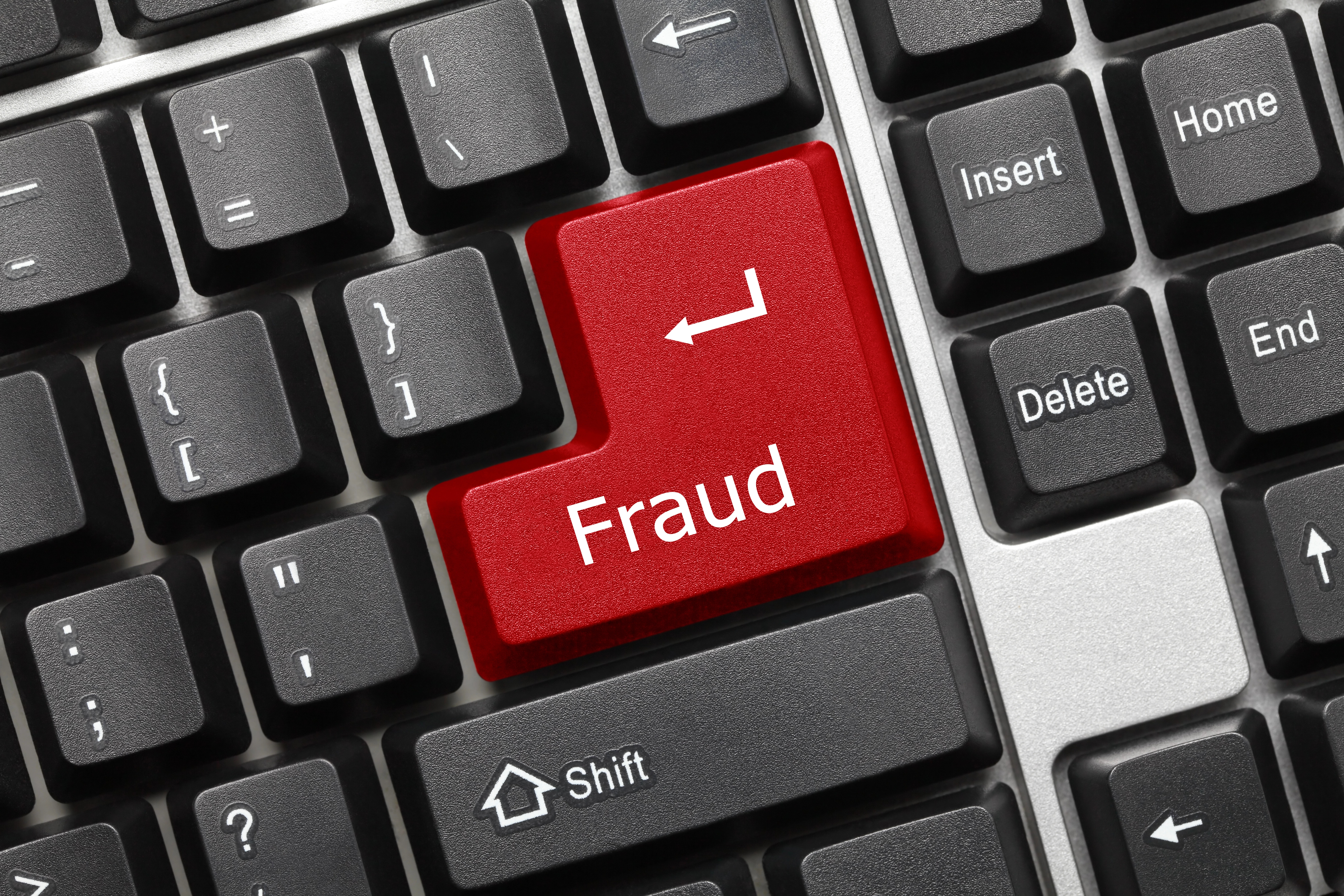
No matter the target, the consequences of these scams are devastating. People are duped into giving up their hard-earned savings and are left ashamed and unsure of where to turn. But let me be clear: getting scammed is not a personal failure. It’s a growing national crisis affecting communities across the country. The Federal Trade Commission reported $12.5 billion in fraud losses in 2024 — and experts believe the real number, when accounting for underreporting, could be more than ten times that.
Our churches have always been safe havens for our communities, and we cannot be silent on this. Scams are hurting our neighbors — especially those with the least margin for loss — and we need to advocate for scam prevention and intervention, especially around the holiday season.
Step one is simple. Talk about it, with everyone. Have conversations about scams at the dinner table, on the basketball court, at Bible study. Be vigilant about the latest examples of fraud reported in New York. And, to crib a well-used saying, ‘trust, but verify’ every phone call or email you receive before sending over any of your own money, no matter how realistic or convincing it may seem.
Step two is bigger. We need to push our lawmakers to take action against scams, starting with cracking down on the websites that serve as a breeding ground for these types of crimes. The platforms we use daily are an unregulated marketplace for scam ads, and users are defrauded out of their own funds. Our policymakers need to establish stricter measures to ensure these companies are held accountable for scams that take place on these platforms. I’m encouraged to hear Senator Richard Blumenthal (D-CT) is standing up on this growing crisis.
We also need to make sure law enforcement have what they need to apprehend scammers before they strike. Law enforcement officials are often hamstrung in what they are able to achieve by rules and regulations governing their ability to hunt down scammers who operate outside their authority. Our lawmakers must equip them with tools and frameworks, be that resources or jurisdiction, to truly be able to go after these criminals.
I care about my community, and that means advocating for the interventions that will keep it safe, including from the threats that come in by phone, e-mail, and text. Scams are devastating our most vulnerable, and we owe it to each other to advocate for measures to protect our communities from falling victim. As we ring in this holiday season, let’s also ring the alarm and push our policymakers to institute smart, common sense solutions to stop scammers before they strike.
By Rev. Dr. James A. Kilgore
About Rev. Dr. James A. Kilgore
Rev. Dr. James A. Kilgore is Pastor at Friendship Baptist Church in Harlem.
Featured image credit: DepositPhotos.com