

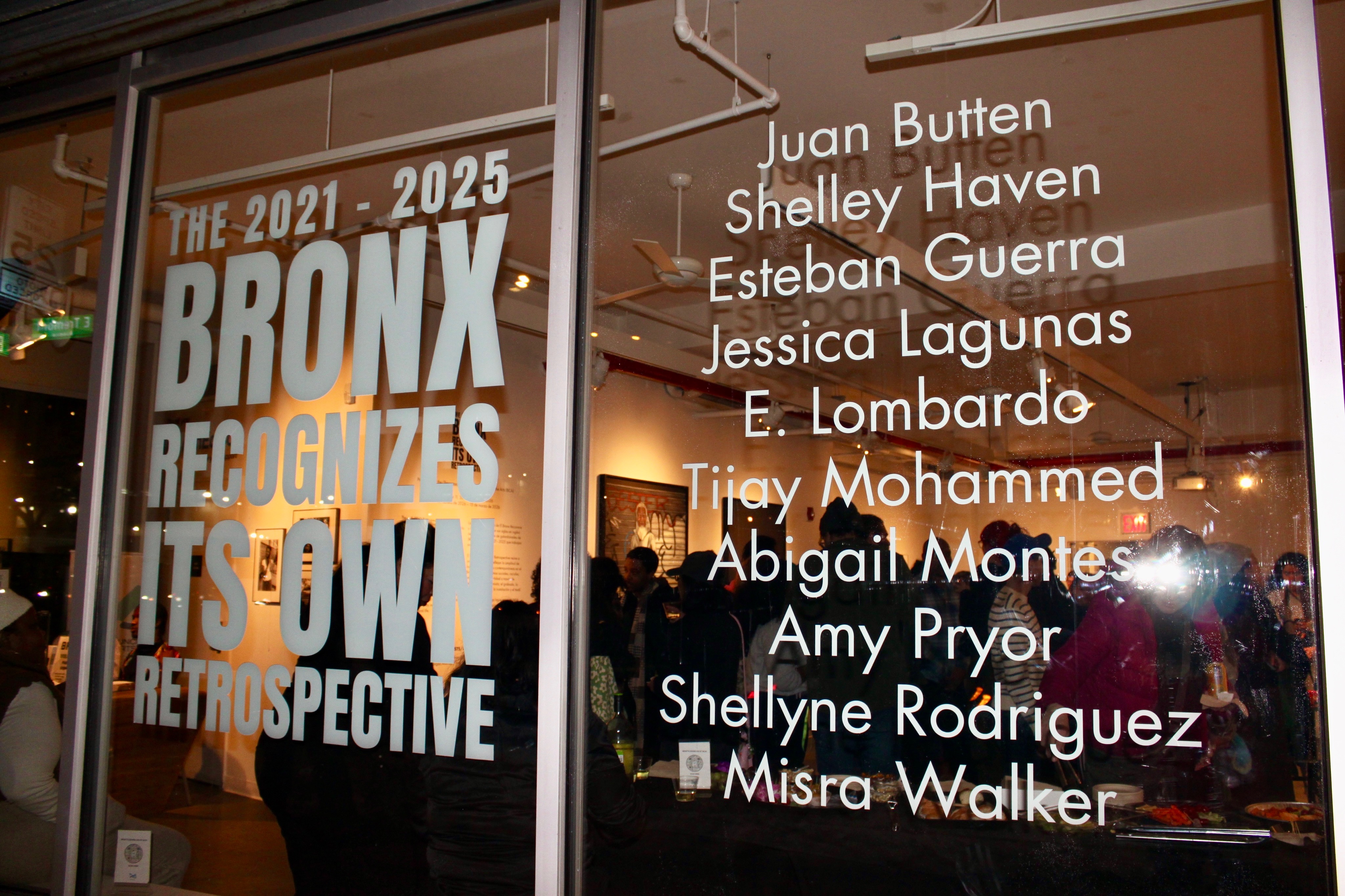


On a cold evening in the Bronx, the main gallery at the Bronx River Art Center filled quickly. Guests stood shoulder to shoulder, coats still on, the winter air replaced by the steady warmth of conversation and anticipation.
Artists positioned themselves near their work, answering questions about process and intent. Families pointed toward pieces they had watched evolve over months and years. Viewers moved deliberately from wall to wall, pausing, circling back, leaning in closer as if the works required more than a glance.
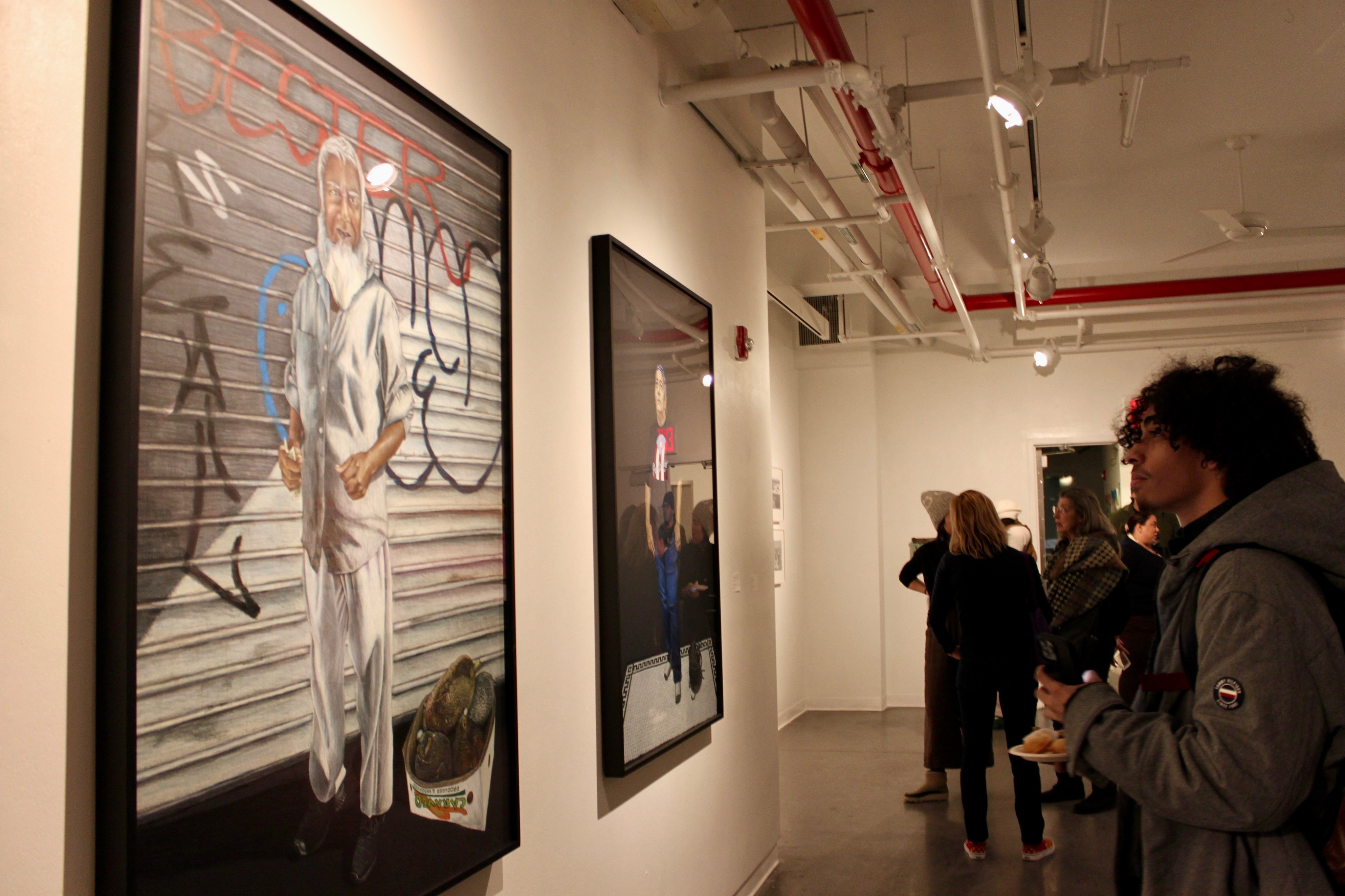
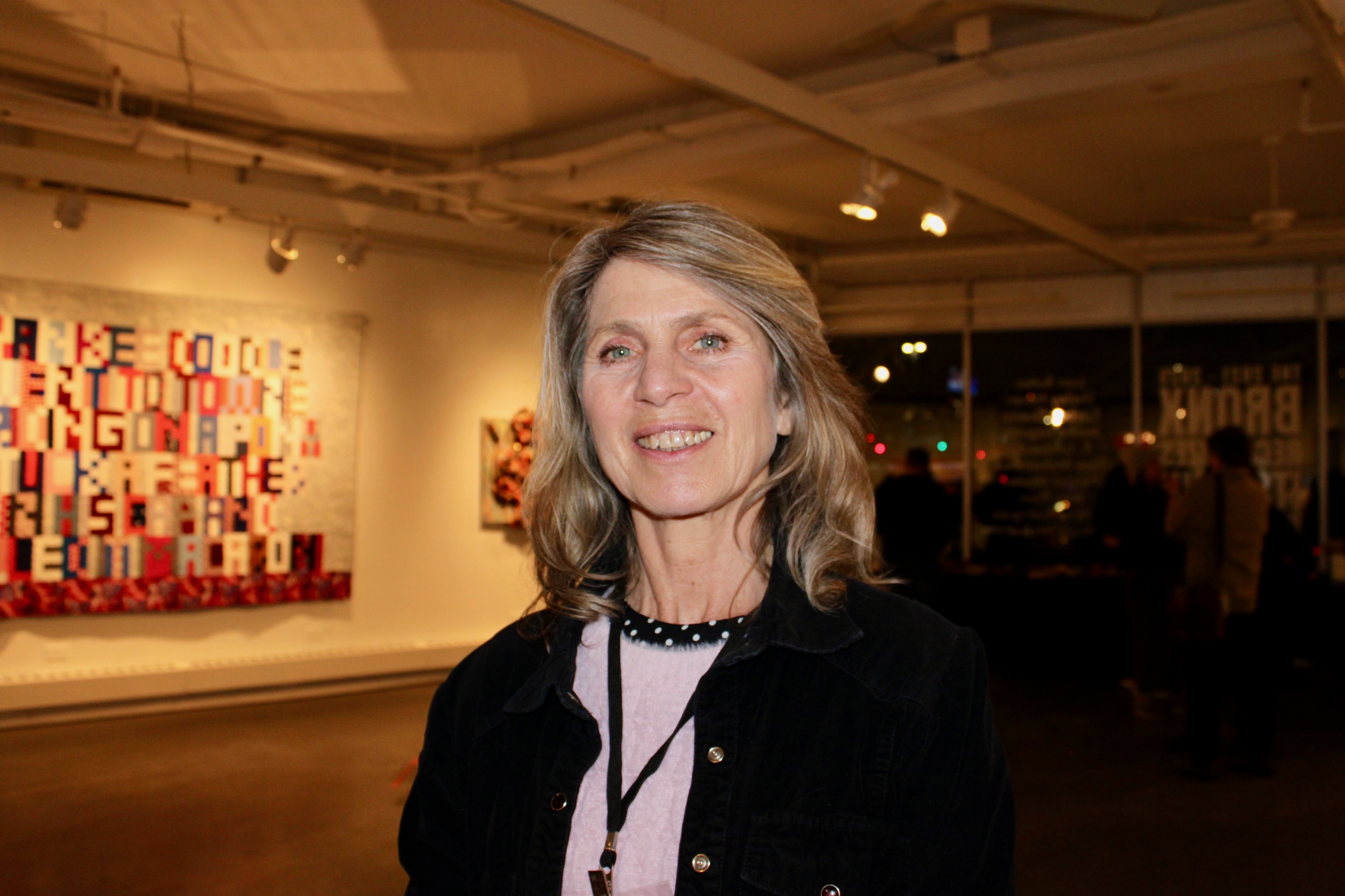
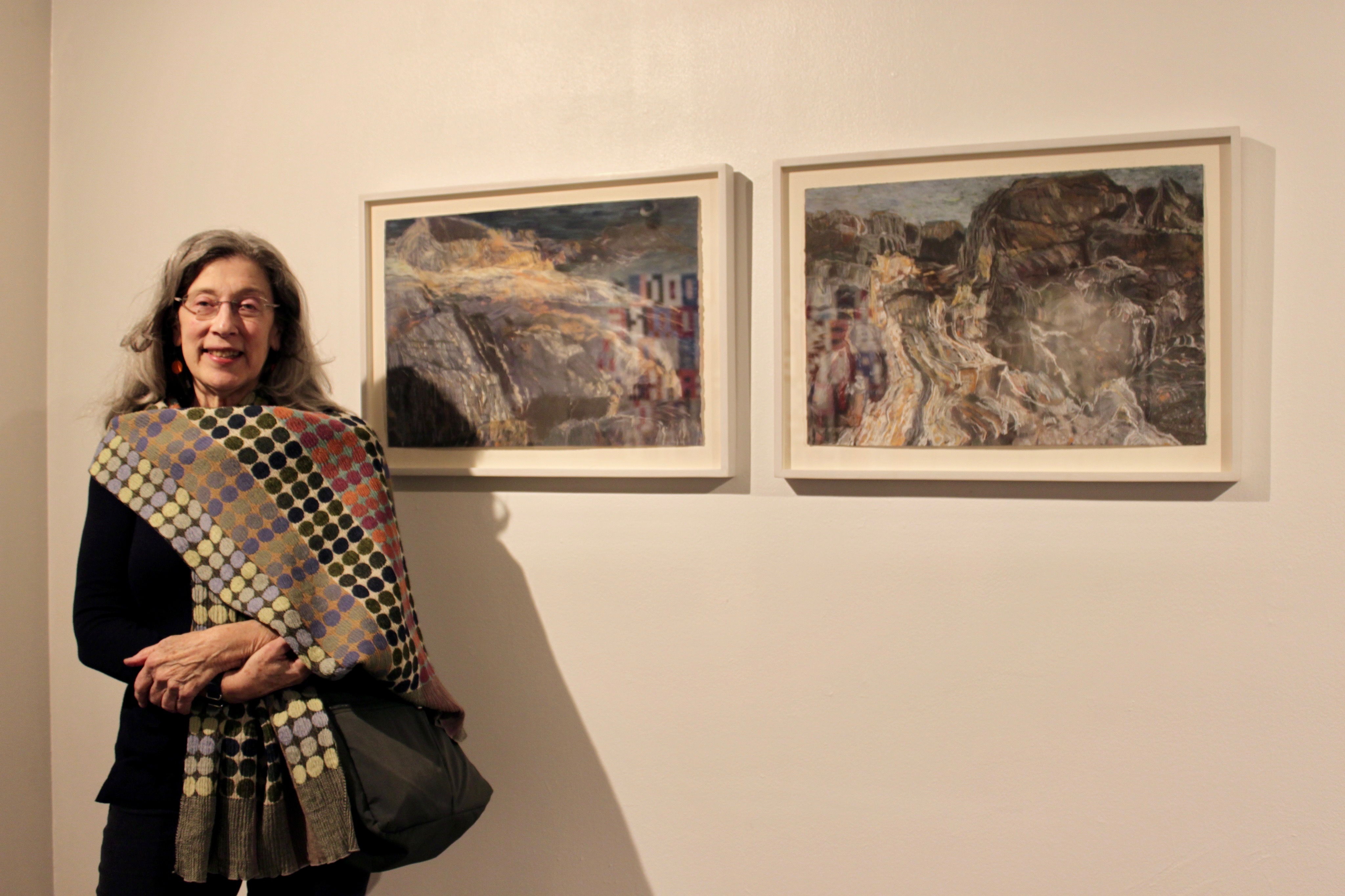
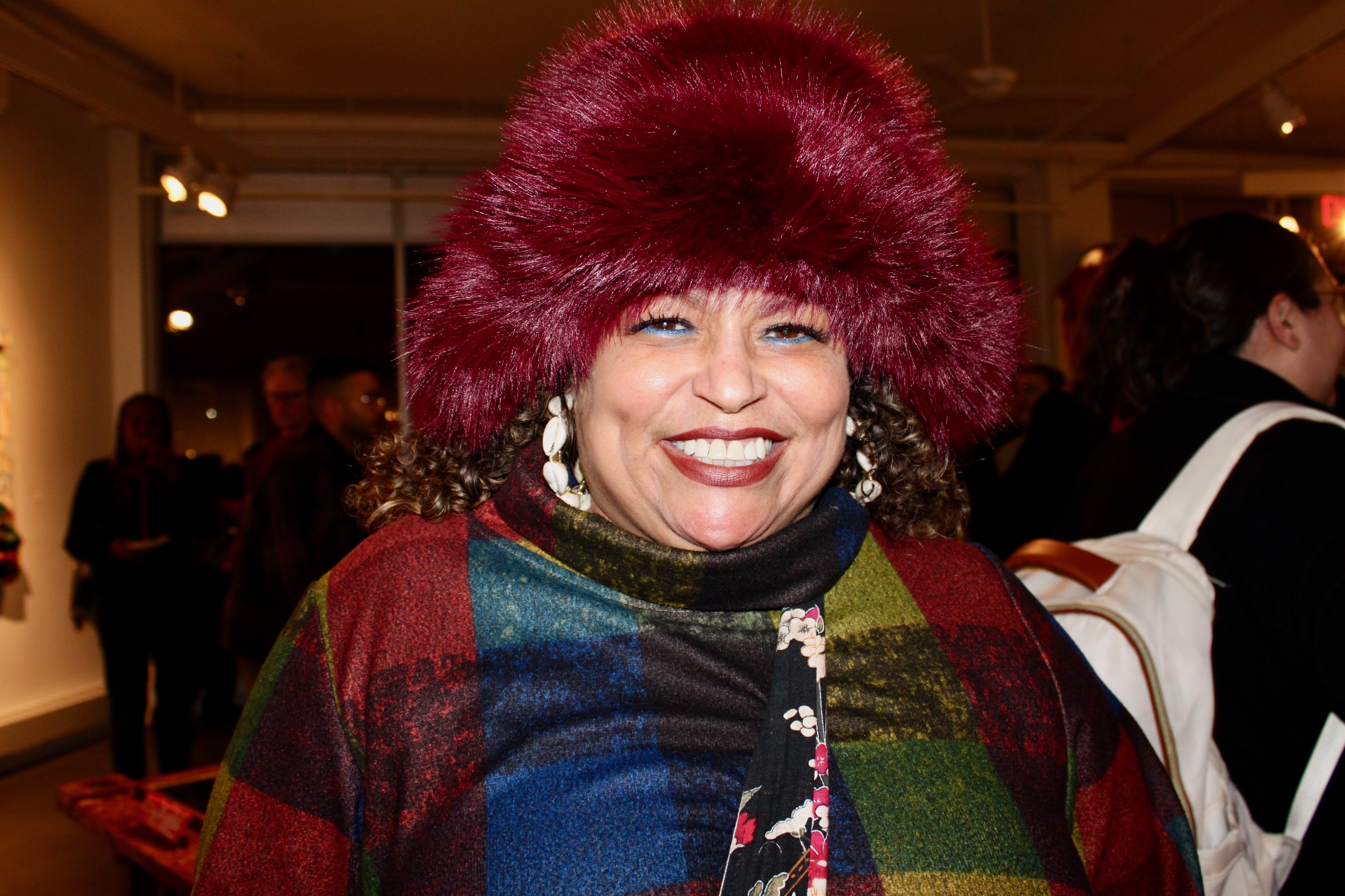
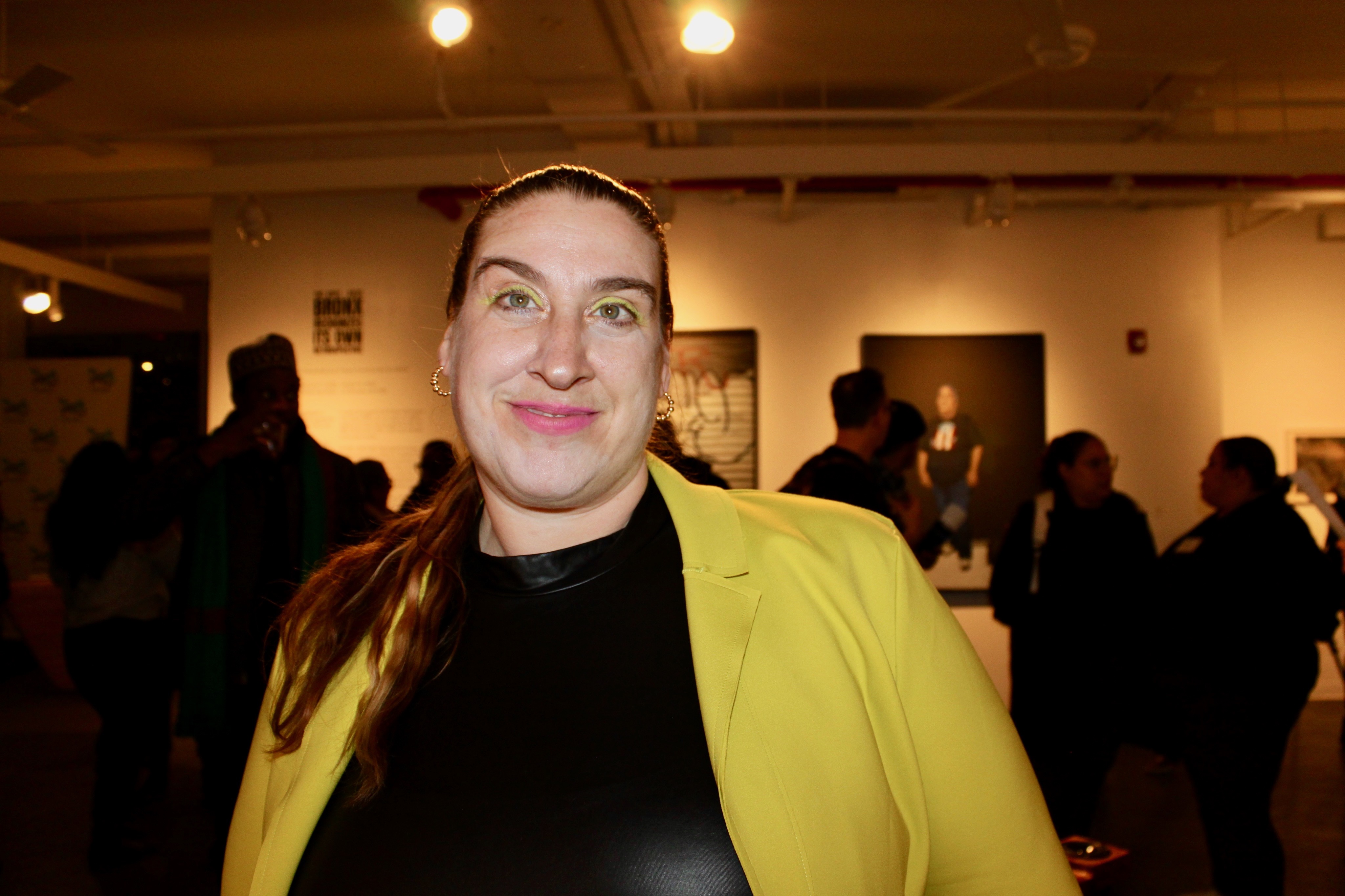
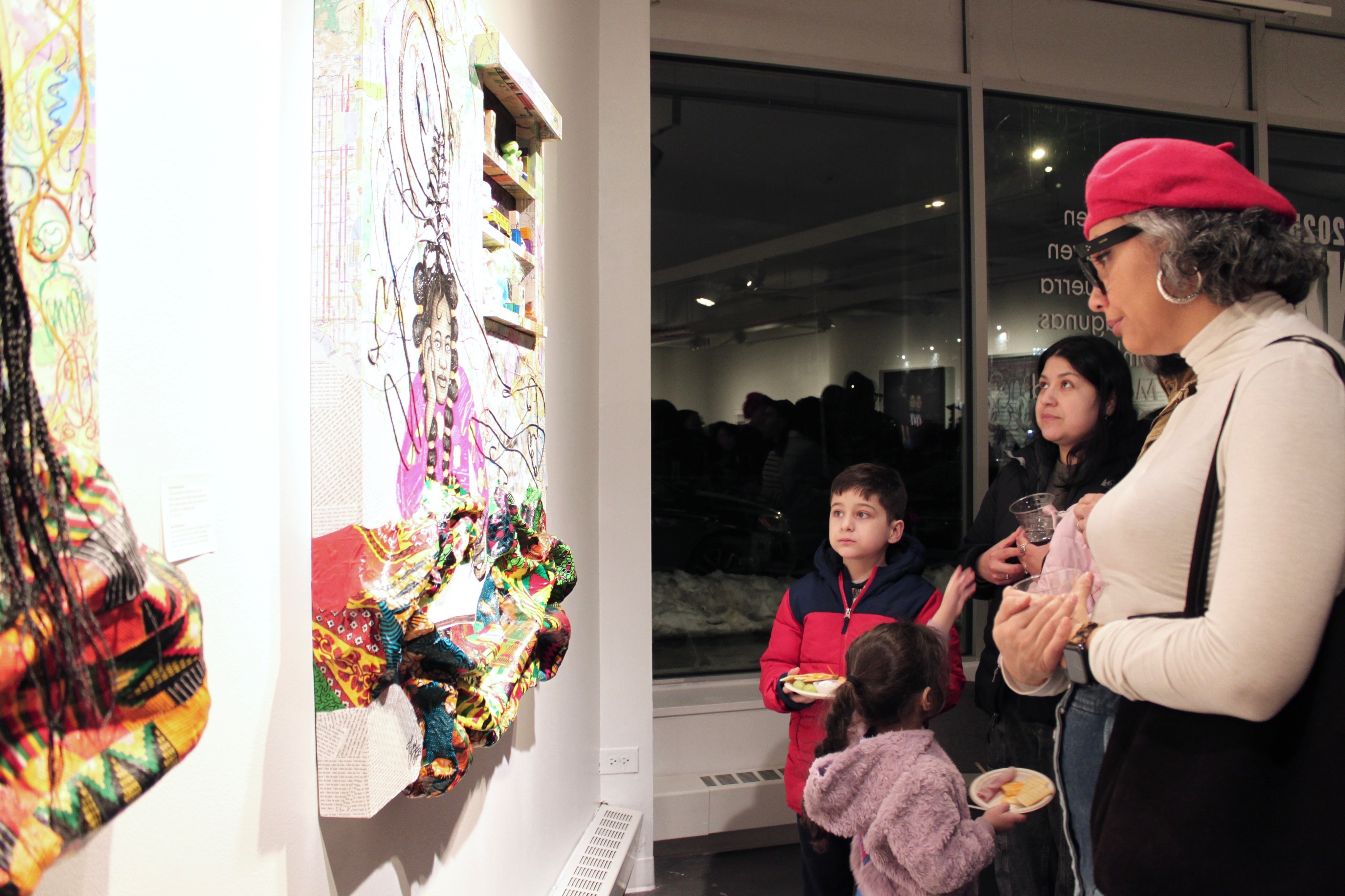
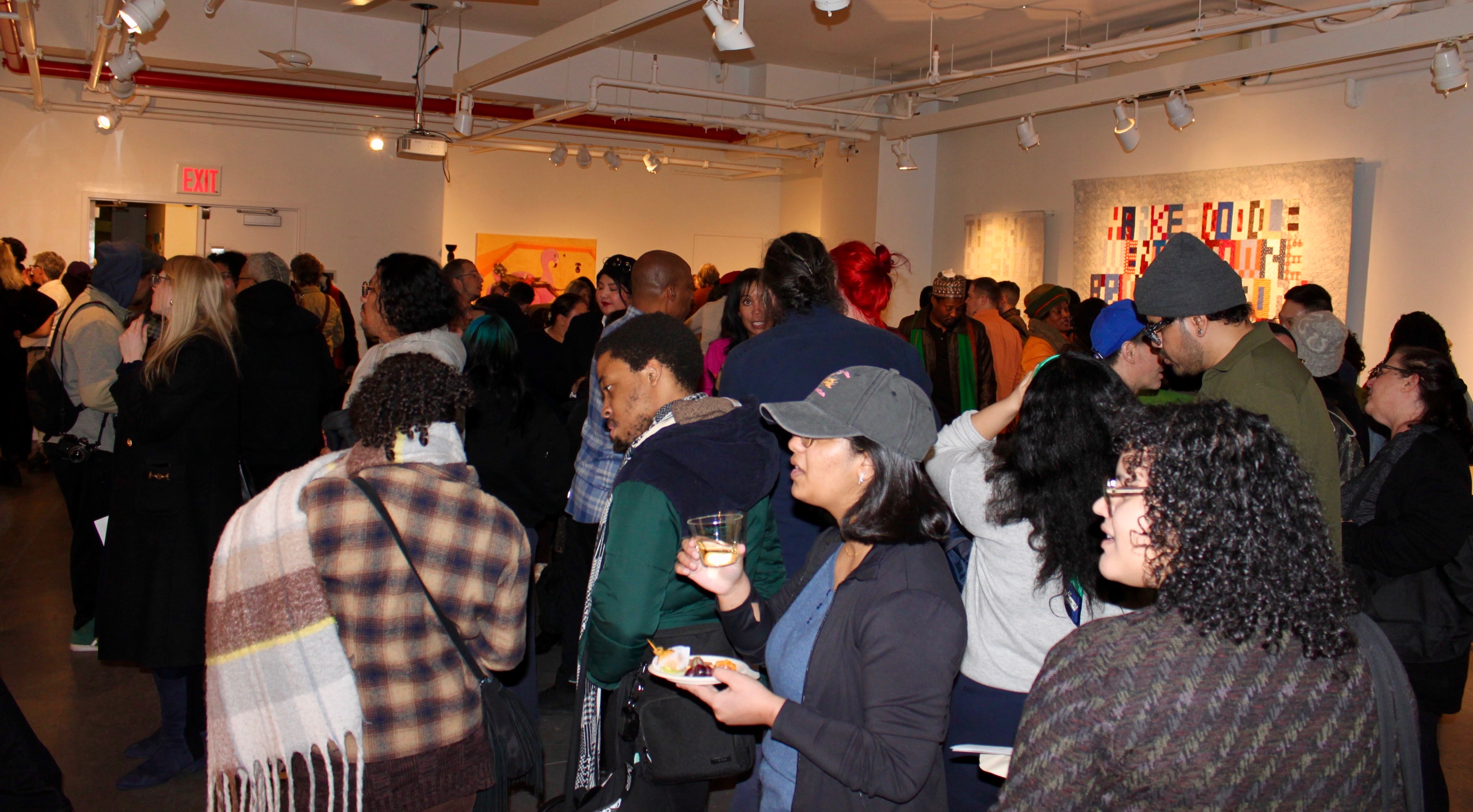
The occasion was the 2021 to 2025 BRIO Retrospective, presented by the Bronx Council on the Arts. The exhibition, the sixth of its kind, brings together a selection of visual artists who received the Bronx Recognizes Its Own Award, known as BRIO, between 2021 and 2025.
BRIO, established in 1989, has long served as both recognition and material support, offering unrestricted grants to Bronx based artists. The retrospective, part of the Longwood Arts Project, gathers awardees across a four-year span into one shared space, a gesture that feels, in the current cultural climate, less ceremonial than necessary.
“We are really assessing our programs,” said Jesus Lopez-Jensen, executive director of the Bronx Council on the Arts, who stepped into the role in November after previously serving as deputy director. “One of my top priorities is stabilizing the organization, given the turbulent landscape for arts and culture.”
He described the retrospective as the convergence of two institutional pillars, the BRIO Awards and the Longwood Arts Project’s exhibition platform. Together, he said, they speak to longevity and to responsibility.
“We gave away nearly a million dollars last year in grants,” he added. “My goal is to protect that and increase it, and to really understand how the Bronx arts community needs us to show up.”
The exhibition itself resists a single theme, yet certain currents recur. Environmental strain. Inherited narratives. The body as witness. The weight of spectacle.
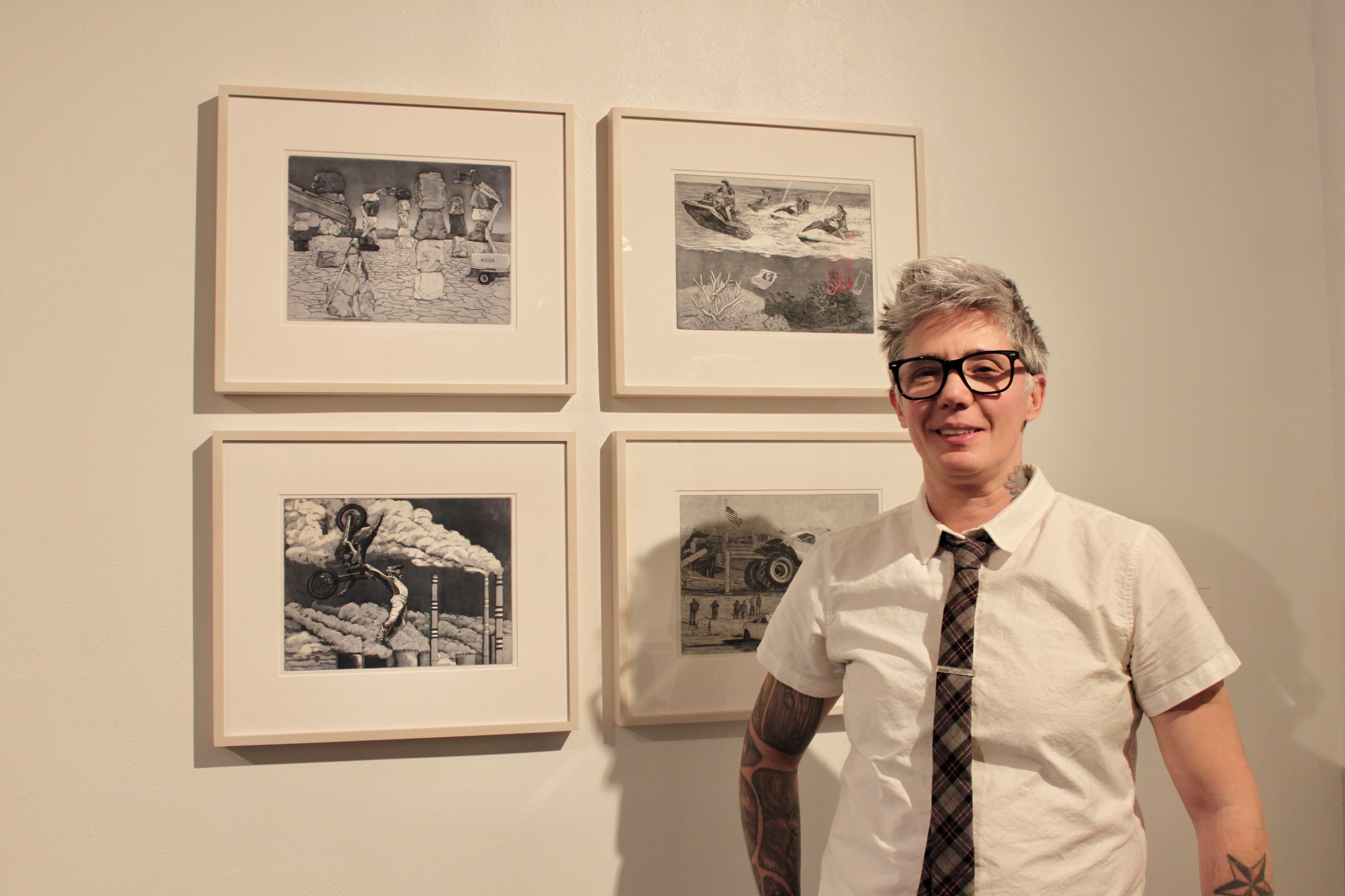
In a series of etchings, the artist E. Lombardo reimagines Francisco Goya’s bullfighting prints through a contemporary lens. Monster trucks crush metal in arenas that double as environmental allegories. BMX riders soar above landscapes clouded with industrial haze. Jet skis skim water above a threatened ecosystem.
“We are so distracted by the spectacle and the sport,” Lombardo said, standing before one of the works, “that we do not even see how we are inflicting violence on the planet.”
Lombardo’s decision to work in etching is deliberate. The medium, she explained, carries historical authority. By adopting a classical form, she lends contemporary anxiety the weight of record, as if to say that this, too, belongs in the archive.
Across the gallery, Shelley Haven’s pastel landscapes offer a quieter register. Developed during the isolation of the pandemic, the works depict rock formations along the Long Island Sound, surfaces that appear permanent until one notices the fissures.
“I have always loved being outside,” Haven said. “But over time you start to see changes. Things you thought would last forever do not.”
Her rocks crack and hold simultaneously, metaphors for a borough accustomed to endurance.
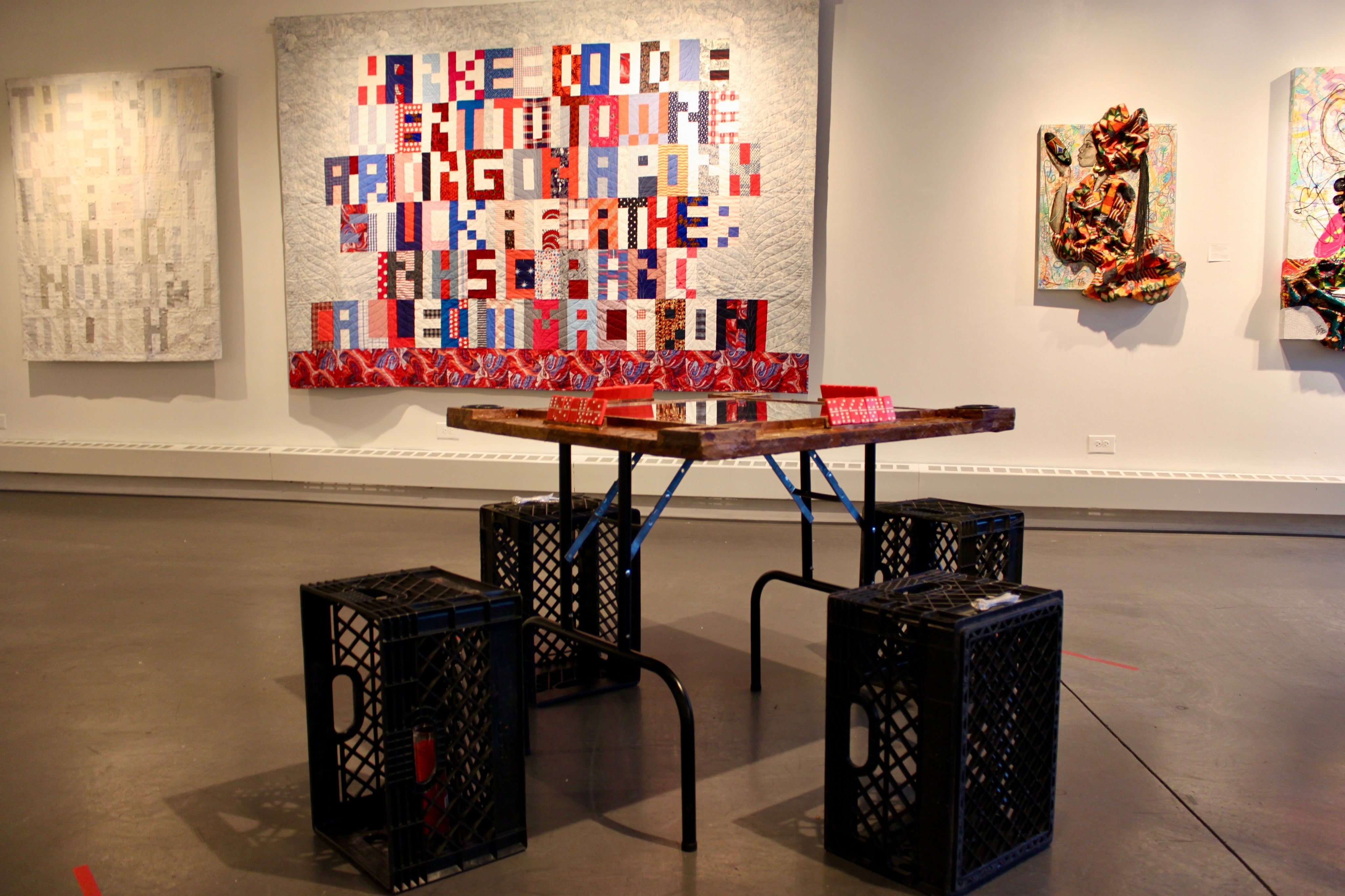
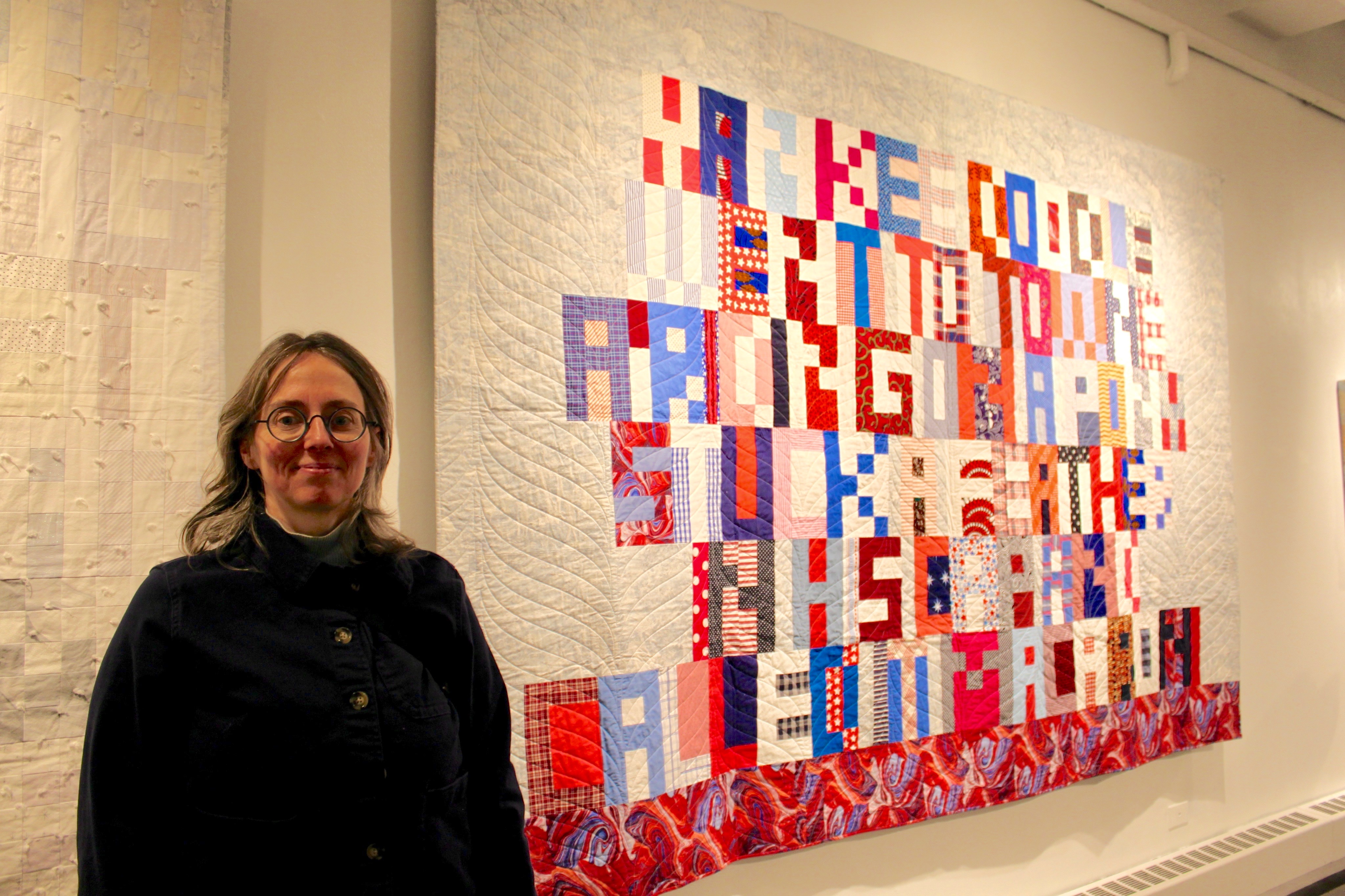
Amy Pryor turns to textile, drawing on the vernacular of quilting to question language and memory. In one piece, a line from E. E. Cummings appears in soft, snow like tones. In another, the opening lyric of “Yankee Doodle” is reframed, prompting viewers to reconsider the patriotic nursery rhymes origins and implications.
The scale of her quilts, closer to painting than domestic object, asserts their place in a lineage often dominated by male painters.
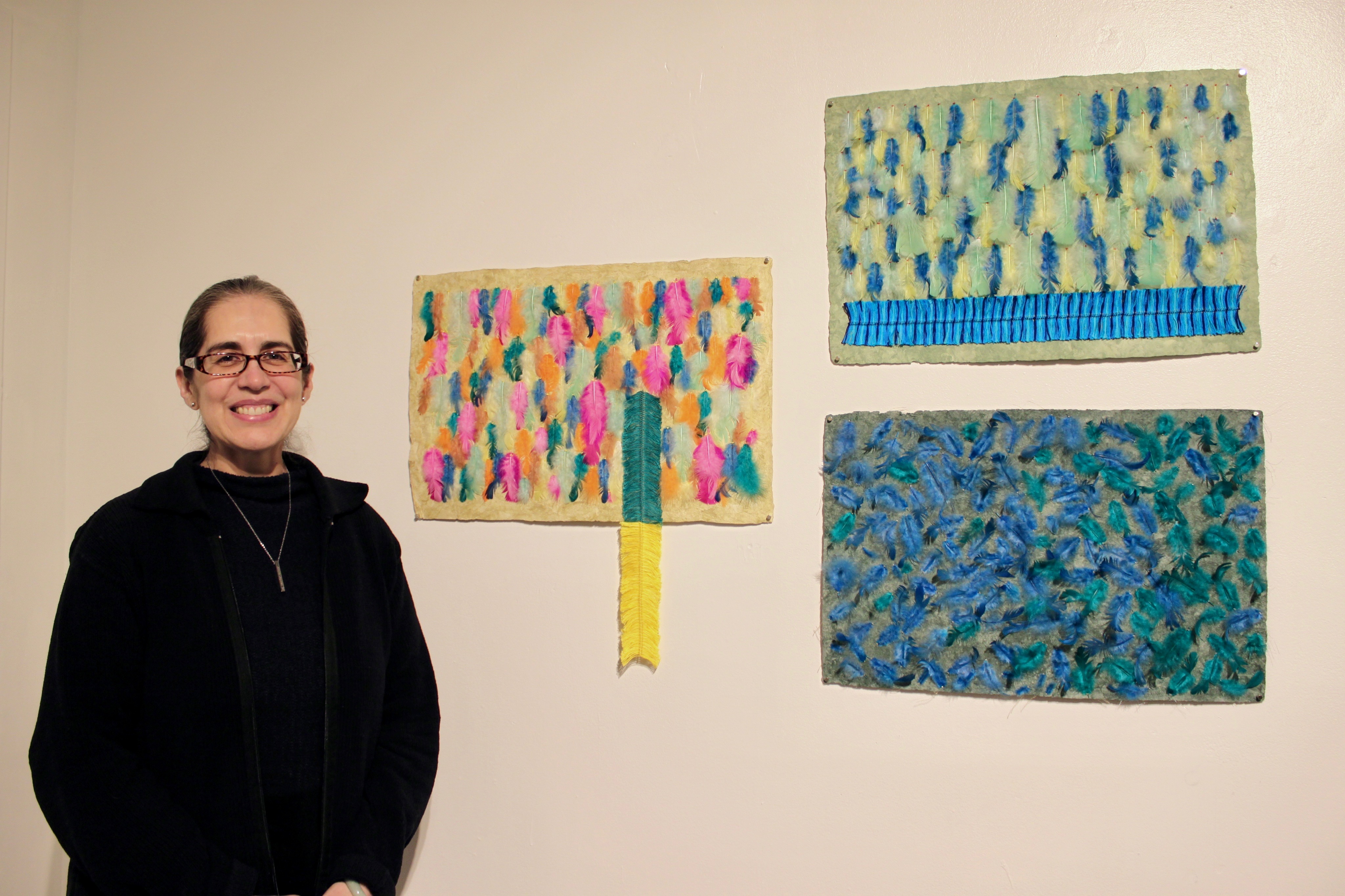
Jessica Lagunas, originally from Guatemala, works with dyed feathers mounted on handmade amate paper, using embroidery knots to secure each plume. In one piece, she incorporates strands of her own gray hair alongside metallic thread, a gesture at once intimate and defiant.
“I have always been drawn to nontraditional materials,” she said. “Feathers connect me to nature, but also to memory, to where I come from.”
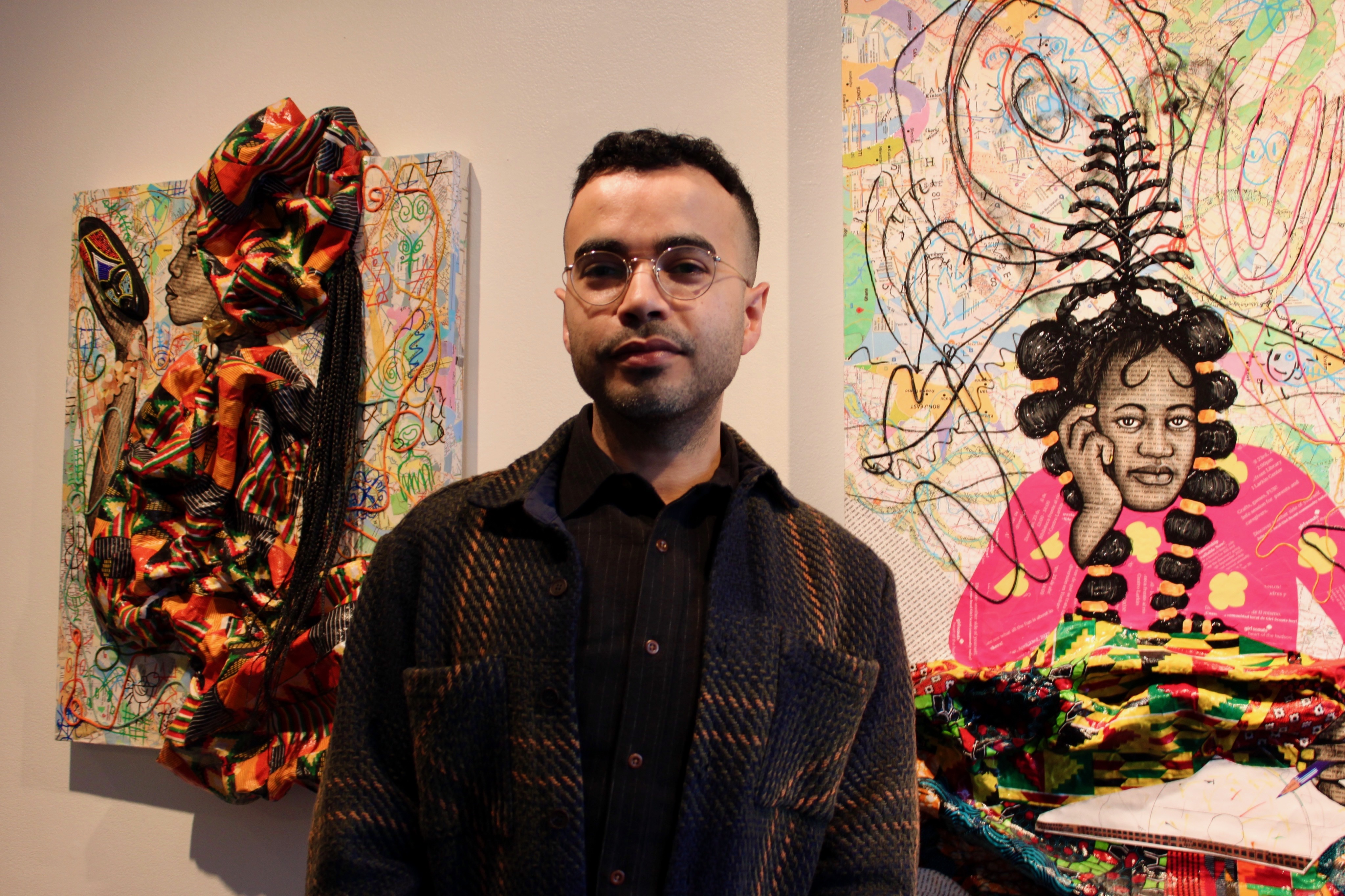
The remaining artists in the exhibition, Juan Butten, Esteban Guerra, Tijay Mohammed, Abigail Montes, Shellyne Rodriguez and Misra Walker, extend the show’s thematic range across painting, photography, installation and mixed media. Though only ten are represented here, they stand in for a much larger cohort of BRIO recipients over the past four years, a reminder that the borough’s creative output exceeds any one gallery’s capacity.
The selection process, according to Lucia Warck-Meister, gallery director for the Bronx Council on the Arts, involved an open call to eligible BRIO recipients from 2021 through 2025. Nearly 50 artists submitted work for consideration. An advisory committee composed of Bronx artists and BCA staff reviewed the submissions and selected the ten featured in this exhibition.
“We are celebrating all of the artists who received BRIO,” Warck-Meister said, “but we have space to show only a few.” The retrospective, she noted, continues a tradition of presenting visual awardees in five year cycles, reinforcing both continuity and community within the borough’s arts ecosystem.
The setting matters as much as the work. The Bronx River Art Center, located on East Tremont Avenue, has positioned itself not only as an exhibition venue but as a community hub. Its gallery is open to the public several days a week, and the institution has expanded programming to include performing arts, technology initiatives and free after school programs.
“We are trying to remove as many barriers as possible,” said Akia Squitieri, executive director of the Bronx River Art Center, who joined the organization last year. “Whether someone has formal training or has never touched a piece of clay, we want this to be an entry point.”
For Rhina Valentin, a BRIO awardee and current board member of the Bronx Council on the Arts, the retrospective carries personal resonance.
“This organization has been part of my growth,” she said. “Now I get to see the next generation coming through. That’s the responsibility.”
By the time the evening drew toward its close, the gallery had settled into a different rhythm, less frenetic, more contemplative. Conversations continued in smaller clusters. Visitors returned to particular works for a second look. The cold outside felt further away.
Retrospectives often imply closure. This one suggested continuation.
In a city that measures cultural legitimacy by geography and proximity to Manhattan, the BRIO Retrospective offered a quieter assertion. The Bronx does not require validation from elsewhere. It has been recognizing its own for decades, and judging by the crowd, it intends to keep doing so.