


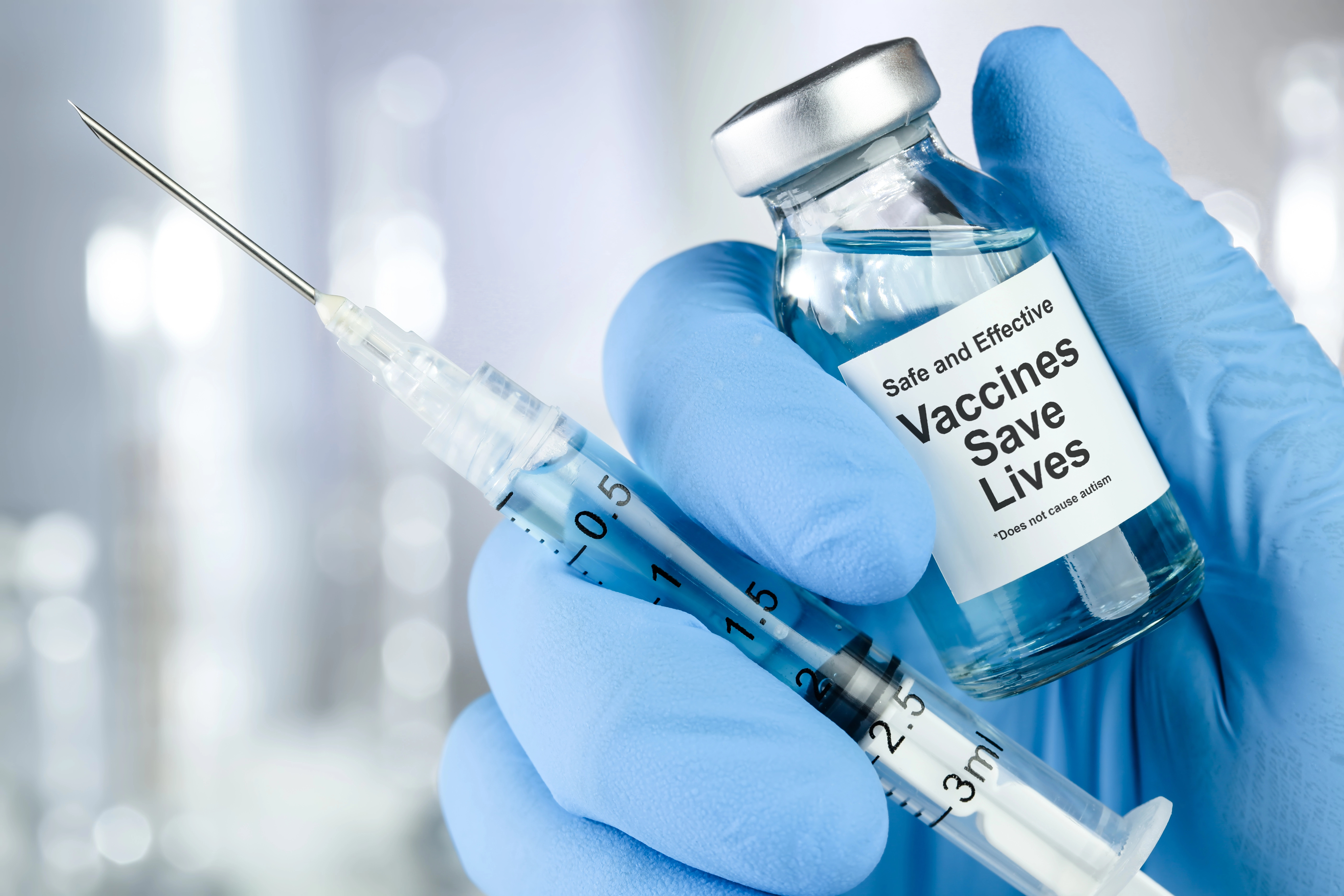


Today, the New York City Health Department and the New York State Department of Health announced their endorsement of recommendations for flu, respiratory syncytial virus (RSV), and CoViD-19 immunizations ahead of respiratory virus season. New York City and New York State health officials encourage healthcare providers to follow the Respiratory Virus Immunization Recommendations released by the American Academy of Pediatrics, American Academy of Family Physicians, American College of Obstetricians and Gynecologists, and Infectious Diseases Society of America, in collaboration with the American Medical Association and the Vaccine Integrity Project. These recommendations are based on peer-reviewed scientific data from nearly 300 studies and represent evidence-based medicine.
“Each respiratory virus season, we see increased levels of flu, RSV, and CoViD-19 infections, and New Yorkers deserve the most accurate and reliable information available when it comes to protecting their family’s health,” said NYC Health Commissioner Dr. Alister F. Martin. “The respiratory virus immunization recommendations put forth by these medical associations are a critical step toward safeguarding the health of New York families. This past winter, New York City saw a sharp increase in reported flu cases in late November and December. By endorsing this guidance, which is based on the latest scientific research, we are empowering healthcare providers and communities to take proactive measures against preventable illnesses, ensuring healthier lives throughout the holiday season and beyond.”
“As the state’s doctor, I want to remind everyone that vaccines are the best protection against serious illness from respiratory infections. Last year, there were 27,000 hospitalizations for flu, 14,000 for RSV, and 13,000 for CoViD-19 in the state. People with certain health conditions, like asthma, diabetes, or heart or lung conditions have higher risk. Vaccines safely prepare our immune systems to recognize and resist diseases,” said State Health Commissioner Dr. James McDonald. “New York State remains committed to ensuring providers have the latest evidence-based guidance and that families have access to recommended immunizations that help keep communities healthy.”
Immunization during respiratory virus season is one of the most effective ways for New Yorkers to protect themselves from serious illnesses, especially young children, older adults, those with certain risk factors, and pregnant people. Everyone 6 months and older should receive an annual flu vaccine. An RSV immunization is recommended for infants at birth and those under 8 months if their pregnant parent did not receive an RSV vaccine during pregnancy; children 8 to 19 months in certain risk groups; adults 50 to 74 years in certain risk groups and all adults 75 years of age and older if they have not received an RSV vaccine previously; and pregnant people in their first eligible pregnancy. Most people 6 months and older should receive a CoViD-19 vaccine. This is especially important for young children (6 to 23 months), children and adults with risk factors that put them at high risk of severe disease, older adults, pregnant people, and people with weakened immune systems.
Estimates of the percentage of children ages 6 months to 17 years who are vaccinated in New York City, by vaccine type, are available through the NYC Health Department’s Childhood Vaccination Data Explorer.
The recommended vaccines continue to be covered by private health insurance plans, the Vaccines for Children (VFC) Program, and public health insurance coverage. Healthcare providers are encouraged to offer all recommended respiratory virus season vaccines to eligible patients. Practices that are unable to provide vaccinations on-site should ensure patients receive timely referrals to vaccination providers.
In New York City, individuals can locate vaccination sites using the NYC Health Map or check with their local pharmacy. The Health Map will be updated throughout the season as sites receive vaccines. When referring patients for vaccination, providers are encouraged to follow up with their patients to ensure they receive all recommended vaccines and doses. The Health Department tracks respiratory illness emergency department trends and reported cases. The data is updated every Thursday and can be found on the Health Department’s Respiratory Illness Data dashboard.

Featured image credit: DepositPhotos.com