


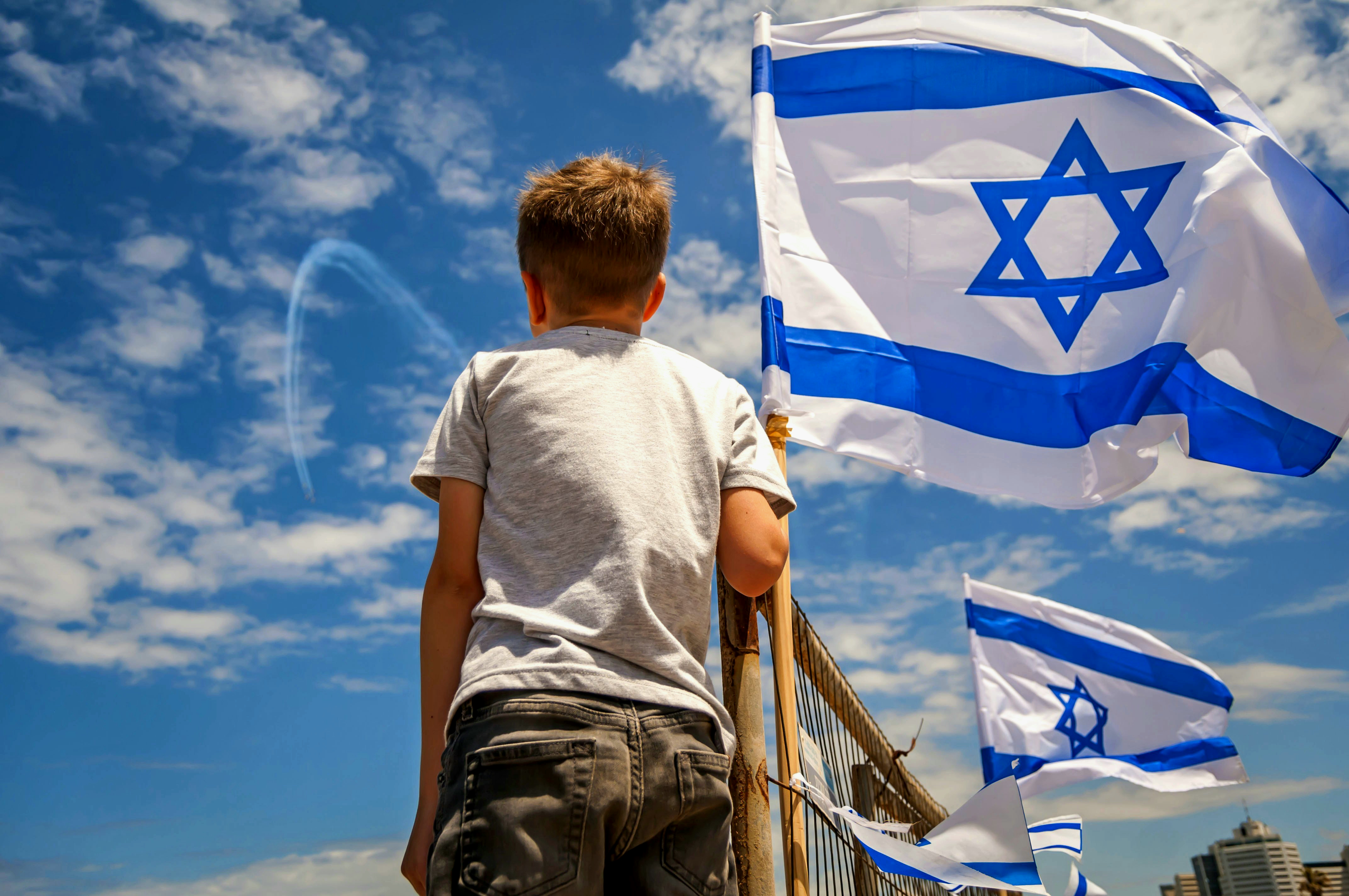


New York City Mayor Zohran Mamdani has made a stunning decision that shatters more than six decades of tradition. He announced that he will not attend this year’s Israel Day Parade. In doing so, he becomes the first mayor in modern New York City history to refuse to participate in this longstanding celebration of the Jewish state and the deep bonds between New York and Israel. This move is not a minor scheduling conflict. It is a deliberate political statement that has sent shockwaves through the city’s Jewish community and exposed deep divisions in his young administration.
For more than sixty years, New York City mayors from both parties have made it a point to march in the Israel Day Parade. The event has served as a powerful symbol of solidarity with the Jewish people and recognition of Israel as a key democratic ally. Mayors understood that New York is home to the largest Jewish population outside of Israel itself. Attending the parade was never considered optional. It was a basic act of respect and leadership. Mayor Mamdani has now chosen to break that tradition in a very public way.
A Deliberate Snub With Serious Consequences
Mayor Mamdani did not hide his reasoning. He stated openly that his opposition to the current Israeli government prevents him from participating. This explanation reveals much about his priorities. Rather than stand with the people of Israel and the Jewish community of New York during a time of rising global antisemitism, he has chosen to signal his political alignment with those who view Israel with hostility.
Jewish leaders across the city have responded with sharp criticism. They rightly point out that the mayor’s decision sends a disturbing message to the hundreds of thousands of Jewish New Yorkers who call the city home. Many see this as more than a personal stance. They view it as an abandonment of a core constituency and a rejection of the city’s historic relationship with Israel. In a city still healing from the aftermath of October 7th and the surge in antisemitic incidents that followed, this decision feels particularly tone-deaf and provocative.
The fact that NYPD Commissioner Jessica Tisch will attend the parade in the mayor’s place only underscores how isolated Mamdani has become on this issue. It falls to the police commissioner to represent the city while the elected mayor stays away. This arrangement highlights the growing rift between the mayor’s ideological commitments and the practical responsibilities of governing a diverse, complex city.
The Tradition That Mamdani Chose To Discard
The Israel Day Parade has been a fixture of New York life since the early 1960s. Generations of mayors recognized its importance. They understood that New York City’s identity is deeply connected to its Jewish population and to the shared values of democracy and resilience that Israel represents. Past mayors, regardless of their personal views on specific Israeli policies, put the unity of the city first. They marched alongside Jewish New Yorkers to celebrate culture, history, and friendship between nations.
Mayor Mamdani has rejected that approach. His decision marks a clear break from the tradition of mayoral leadership that placed city cohesion above partisan foreign policy opinions. By injecting his personal opposition to the Israeli government into a longstanding civic event, he has politicized what was previously a unifying occasion. This reflects a troubling trend in progressive politics where ideological purity tests increasingly override basic norms of governance and respect for community traditions.
The Broader Context Of Rising Antisemitism
This controversy does not occur in a vacuum. New York City has witnessed a disturbing increase in antisemitic incidents since the October 7, 2023 attacks on Israel. Jewish students face harassment on college campuses. Synagogues require increased security. Visible Jewish symbols can make individuals targets on the streets. In this environment, the mayor’s refusal to attend the Israel Day Parade sends a signal that many interpret as indifference or even encouragement to those who wish to marginalize the Jewish community.
Jewish leaders have expressed deep concern that the mayor’s stance will further embolden antisemitic elements in the city. When the highest elected official chooses to boycott a major Jewish celebration, it normalizes the idea that Israel and its supporters are legitimate targets for political isolation. This is especially dangerous at a time when global antisemitism is reaching levels not seen in decades.
What This Reveals About Mayor Mamdani’s Leadership
Mayor Mamdani is still early in his administration, yet this decision has already become one of its defining controversies. It raises serious questions about his ability to lead a city as diverse and dynamic as New York. Effective mayors understand that their role requires bridging communities, not alienating them. By refusing to attend the Israel Day Parade, Mamdani has chosen division over unity.
This move also exposes the influence of radical elements within the progressive movement that now controls much of New York politics. Opposition to Israel has become a litmus test for some on the far left. Mamdani appears willing to cater to that faction even at the cost of alienating a major part of the city’s population. New York’s Jewish community has long been a vital part of the city’s economic, cultural, and intellectual life. Treating them as politically expendable is both shortsighted and unjust.
The Need For Stronger Leadership
New York City deserves a mayor who can rise above narrow ideological commitments and represent all residents. The Israel Day Parade is not a partisan event. It is a celebration of shared history, resilience, and friendship. Past mayors from different political backgrounds understood this. They recognized that showing up mattered more than scoring points with activist bases.
The current mayor’s decision suggests a different approach. It prioritizes personal political signaling over the responsibilities of his office. This pattern, if continued, could deepen divisions within the city and erode public trust in leadership. New Yorkers expect their mayor to focus on crime, housing, education, and economic recovery. They do not need imported foreign policy disputes turned into local controversies that fracture communities.
Jewish leaders have called on Mayor Mamdani to reconsider his position. They argue that true leadership requires engagement with all communities, especially during times of tension. Whether he chooses to listen remains to be seen. So far, his actions suggest ideological rigidity over pragmatic governance.
A Troubling Sign For New York’s Future
The decision to break a sixty-year tradition is more than symbolic. It represents a shift in how New York City approaches its relationship with its Jewish residents and with Israel. In a city that has long prided itself on diversity and inclusion, this move feels like a step backward into exclusion and selective solidarity.
As the controversy continues to unfold, it will test Mayor Mamdani’s ability to unify the city. Strong leaders bring people together. They do not create unnecessary wedges between communities. The Israel Day Parade has historically been an event that strengthened New York’s social fabric. The mayor’s absence weakens that fabric at a time when the city can least afford it.
New Yorkers will be watching closely to see how this young administration handles the fallout. The choice to skip the parade may please certain activist circles, but it risks alienating a significant and influential portion of the city. Effective governance requires balance and respect for tradition. On this issue, Mayor Mamdani has chosen neither.
The coming months will reveal whether this decision was an isolated misstep or a sign of deeper problems in his leadership. For now, the breaking of a sixty-year tradition stands as a troubling milestone in New York City politics.
Featured image credit: DepositPhotos.com