


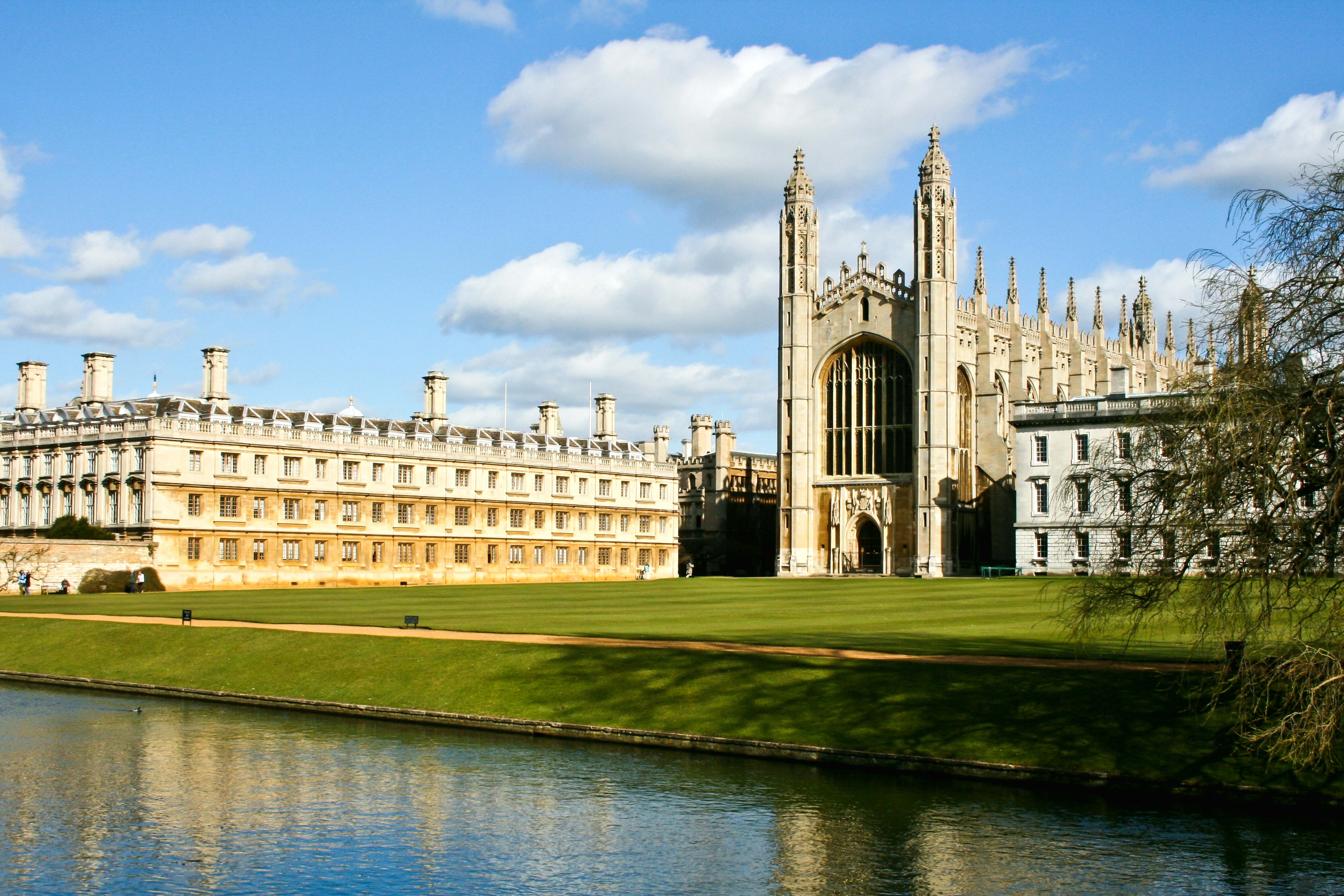


Jason Arday, once celebrated as the University of Cambridge’s youngest Black professor, resigned in early August 2026 amid serious allegations of plagiarism and growing questions about the accuracy of his claimed achievements. Days later, on August 14, 2026, he was found dead at an address in Battersea, south London. Police treated the death as unexpected but not suspicious. The episode has become a stark illustration of what happens when academic standards collide with identity-driven appointments and media narratives that prioritize representation over rigorous verification.
Arday’s rapid rise and equally rapid collapse raise uncomfortable but necessary questions about credential inflation, the pressures of diversity hiring, and the consequences when serious scholarly misconduct allegations meet institutional defensiveness.
The Appointment & The Hype
In 2023 Arday was appointed professor of sociology of education at Cambridge and became a fellow of Jesus College. Coverage at the time emphasized that he was the university’s youngest Black professor. The narrative presented him as a trailblazing success story: a man who had overcome significant personal challenges, including claims related to autism and a difficult upbringing, to reach one of the world’s most prestigious academic institutions.
That narrative received heavy amplification. Arday was frequently held up as proof that elite universities could and should accelerate the promotion of scholars from underrepresented backgrounds. The problem, according to subsequent reporting, was that key parts of the supporting story and the academic work itself did not withstand scrutiny.
The Plagiarism Allegations
In the weeks before his resignation, detailed allegations emerged concerning plagiarism in Arday’s doctoral thesis and other publications. Critics pointed to passages that appeared to reproduce the work of other scholars without proper attribution. Journals and the original awarding institution were drawn into the controversy. Cambridge initially defended Arday, describing some of the criticism as a “vile campaign” aimed at undermining his credibility. The university later announced it would examine the circumstances of his appointment and his time at the Faculty of Education.
Arday denied systematic plagiarism. In his resignation statement he insisted that stepping down should not be read as an admission of the narratives surrounding him. Yet the volume and specificity of the claims forced the issue into the open. Once the allegations moved from social media into mainstream reporting, the institutional shield became harder to maintain.
Questions About The Broader Record
Alongside the plagiarism concerns, reporters examined other elements of Arday’s public biography. Claims about athletic accomplishments, fundraising totals, and aspects of his personal history came under examination. Some of the more striking assertions proved difficult to verify or appeared inconsistent with available records. When a public figure’s credibility rests in part on an inspirational personal story, discrepancies of this kind are not minor. They erode trust in the entire presentation.
The combination of scholarly integrity questions and biographical inconsistencies created a perfect storm. Supporters framed the scrutiny as racially motivated harassment. Critics argued that the same level of examination would have been applied to any scholar whose work and claims raised similar red flags, regardless of background. The truth likely contains elements of both institutional failure and individual responsibility.
Institutional Failure & The DEI Incentive Structure
Cambridge’s initial defense of Arday followed a familiar pattern. When a high-profile diversity appointment faces criticism, the first institutional reflex is often to protect the narrative rather than open a transparent investigation. That reflex is understandable in a climate where accusations of racism carry severe professional consequences. It is also corrosive to academic standards.
Elite universities have spent years signaling that demographic representation is a core institutional priority. When promotion and hiring decisions become heavily influenced by identity metrics, the pressure to overlook or downplay weaknesses in a candidate’s record increases. Ordinary scholars without protected characteristics rarely receive the same level of institutional protection when similar problems surface. The result is a two-tier system that damages the credibility of the entire enterprise.
Arday’s case is not unique. Other high-profile appointments in recent years have faced comparable questions about the rigor of the selection process. Each time the pattern repeats, public confidence in the fairness and seriousness of elite academia declines further.
The Human Cost & The Proper Response
The death of any person is a tragedy for family and friends. Arday left behind people who cared about him. That fact deserves acknowledgment. It does not, however, require the suspension of factual inquiry or the rewriting of the record that preceded his death.
The proper response from universities is straightforward. Maintain consistent standards of evidence and attribution for all scholars. Investigate credible allegations of plagiarism thoroughly and transparently, without regard to the identity of the accused. Resist the temptation to treat criticism of scholarly work as inherently illegitimate when the scholar belongs to a favored demographic. And recognize that inflating credentials or protecting weak work ultimately harms the very people the diversity agenda claims to help.
For the broader public, the episode is a reminder that inspirational narratives require verification. Media outlets and institutions that uncritically amplify extraordinary personal stories without basic due diligence share responsibility when those stories later unravel.
Standards Still Matter
Jason Arday’s rise was presented as a triumph of inclusion. His fall has become a cautionary tale about what happens when inclusion is allowed to override evidence. Plagiarism is not a minor technical violation. It strikes at the core of scholarly honesty. Inflated personal claims compound the damage by turning an individual career into a public relations vehicle.
Cambridge and other elite institutions will continue to face pressure to demonstrate demographic progress. That pressure is not going away. The only sustainable answer is to insist that every appointment, promotion, and publication meet the same standards of rigor. Anything less invites exactly the kind of collapse witnessed in this case.
The death of Jason Arday closes one chapter. It should not close the necessary examination of how he reached his position, how the allegations were handled, and what incentives produced the entire sequence of events. Academic integrity is not optional, and it is not bigoted to demand it.
Featured image credit: DepositPhotos.com