
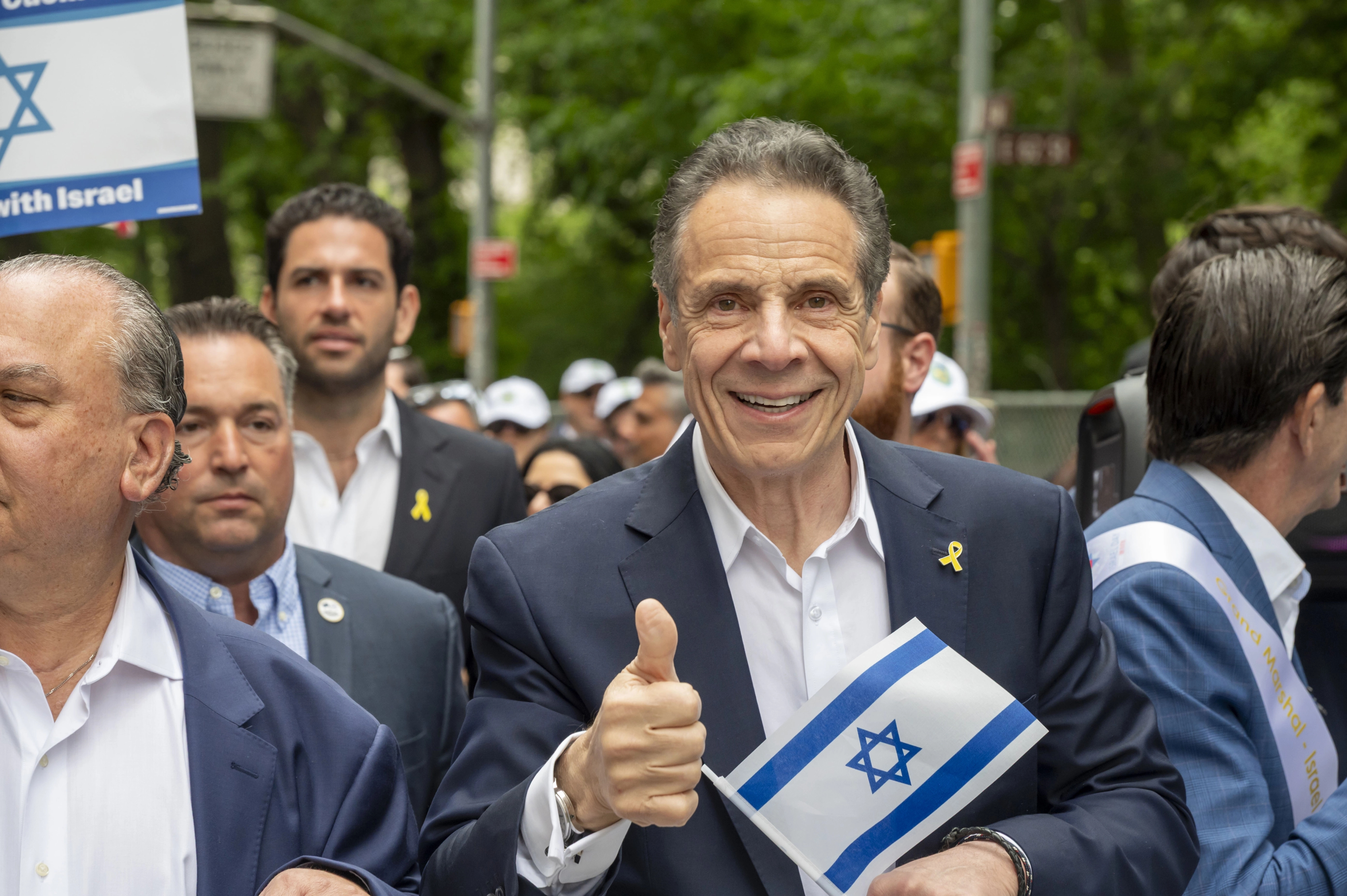


As New York City approaches the 2025 mayoral election, residents face a defining choice. Among the candidates, Zohran Mamdani poses the most radical and dangerous threat to the city’s economic, social, and moral fabric. His communist-leaning policies, alarming antisemitic associations, and acceptance of foreign donations make him unfit to lead. Curtis Sliwa, a Republican candidate with a strong conservative platform, must seriously consider stepping aside. By doing so, he could consolidate opposition support behind Andrew Cuomo, a seasoned leader capable of defending New York City’s values, business climate, and the American Dream.
Mamdani’s Radical Agenda Endangers New York City
Zohran Mamdani’s policy proposals reflect a leftist, anti-capitalist ideology that would cripple the city’s economy. His support for dramatically increasing corporate taxes to 11.5% and pushing a $30 minimum wage by 2030 threatens small businesses and large enterprises alike. These policies, while framed as social justice measures, risk driving investors away, slowing economic growth, and eroding the financial stability that New York City has long depended upon.
Furthermore, Mamdani’s plans to expand rent control and increase regulations on private businesses could stifle entrepreneurship and innovation. New Yorkers who have worked hard to start businesses or invest in the city could face punitive policies that discourage success. A city that once symbolized opportunity and upward mobility risks losing its economic dynamism if these policies are enacted.
Antisemitism and Dangerous Associations
Beyond economic concerns, Mamdani’s affiliations and statements reveal a troubling tolerance for extremism. His repeated associations with Imam Siraj Wahhaj, a figure linked to radical Islamist rhetoric, highlight his disregard for potential threats to the Jewish and Christian communities in New York. Mamdani has not condemned Wahhaj’s past calls for violence, raising alarms about his judgment and priorities as a potential mayor.
His stance on antisemitism is equally concerning. Mamdani has refused to adopt the International Holocaust Remembrance Alliance’s definition of antisemitism, signaling to Jewish communities that he may not prioritize their safety or fight against rising anti-Jewish sentiment in the city. In a city as diverse and historically Jewish as New York, such a stance is not merely controversial—it is dangerous.
Foreign Donations Undermine Campaign Integrity
Adding to concerns about Mamdani’s suitability for office are reports that his campaign received nearly $13,000 in foreign donations, including from sources in Dubai. While his campaign has pledged to return these funds, the episode raises serious questions about foreign influence in local elections. New Yorkers deserve leaders whose loyalty lies entirely with their constituents, not with external actors who may have conflicting interests.
Allowing candidates with foreign financial influence to shape city policy opens the door to decisions that could compromise national security, local governance, and the economic future of the city. These contributions, though relatively small in dollar amount, symbolize a broader ethical issue that cannot be ignored.
Curtis Sliwa’s Continued Candidacy Risks Splitting the Vote
Curtis Sliwa’s campaign has energized Republican and moderate voters with his strong stance on law and order, fiscal responsibility, and conservative values. However, with Sliwa in the race, anti-Mamdani voters risk splitting the vote between him and Andrew Cuomo. This could inadvertently clear the path for Mamdani to win, despite his radical positions.
For the good of the city, Sliwa should consider stepping aside. By doing so, he would enable a consolidation of opposition support behind Cuomo, a pragmatic and experienced leader who can challenge Mamdani effectively. This strategic move would prioritize the welfare of New York City over individual political ambition.
Andrew Cuomo: The Experienced Choice
Andrew Cuomo’s leadership experience as former governor provides him with the tools necessary to navigate New York City’s complex political and economic landscape. Cuomo understands the intricacies of city management, from budget allocation to public safety and social policy. His tenure has demonstrated a commitment to balancing economic growth with social programs, unlike Mamdani, whose radical agenda threatens to disrupt decades of progress.
Cuomo’s moderate approach also appeals to independent voters, suburban residents, and disaffected Democrats who might otherwise hesitate to support a centrist candidate. By stepping aside, Sliwa could ensure Cuomo has the best possible chance to consolidate opposition votes and prevent a Mamdani victory.
The High Stakes for New York City
Zohran Mamdani’s potential mayoralty represents a threat not only to the city’s economy but also to its cultural and religious communities. His anti-capitalist agenda, controversial associations, and failure to condemn extremism could destabilize New York City, damage its reputation as a global financial center, and undermine the American Dream for future generations.
Communities of Jews and Christians, who form a significant portion of the city’s population, could find themselves targeted by policies or rhetoric that fail to protect them. Businesses that drive employment and innovation could flee or reduce investment, leaving New York City vulnerable to stagnation and decline.
A vote split between Cuomo and Sliwa would risk enabling Mamdani to exploit these divisions and implement a radical agenda. The time for political calculation is over; decisive action is required.
Conclusion: A Call to Curtis Sliwa
The 2025 New York City mayoral election is more than a contest between candidates—it is a choice about the city’s future. Zohran Mamdani’s radical policies, antisemitic associations, and foreign-funded campaign present a clear and present danger to New York City’s values, security, and economic vitality.
Curtis Sliwa has the opportunity to make a historic and selfless decision by stepping aside, consolidating opposition support behind Andrew Cuomo, and ensuring that New York City is led by a competent, experienced, and pragmatic leader. The stakes could not be higher. For the city, for its residents, for its businesses, and for the preservation of the American Dream, Sliwa must prioritize the greater good over personal ambition.
The time to act is now. New York City cannot afford to gamble its future on radical ideology or untested leadership. Sliwa stepping aside could very well be the decisive action that preserves the city’s prosperity, safety, and values for generations to come.
Featured image credit: DepositPhotos.com