


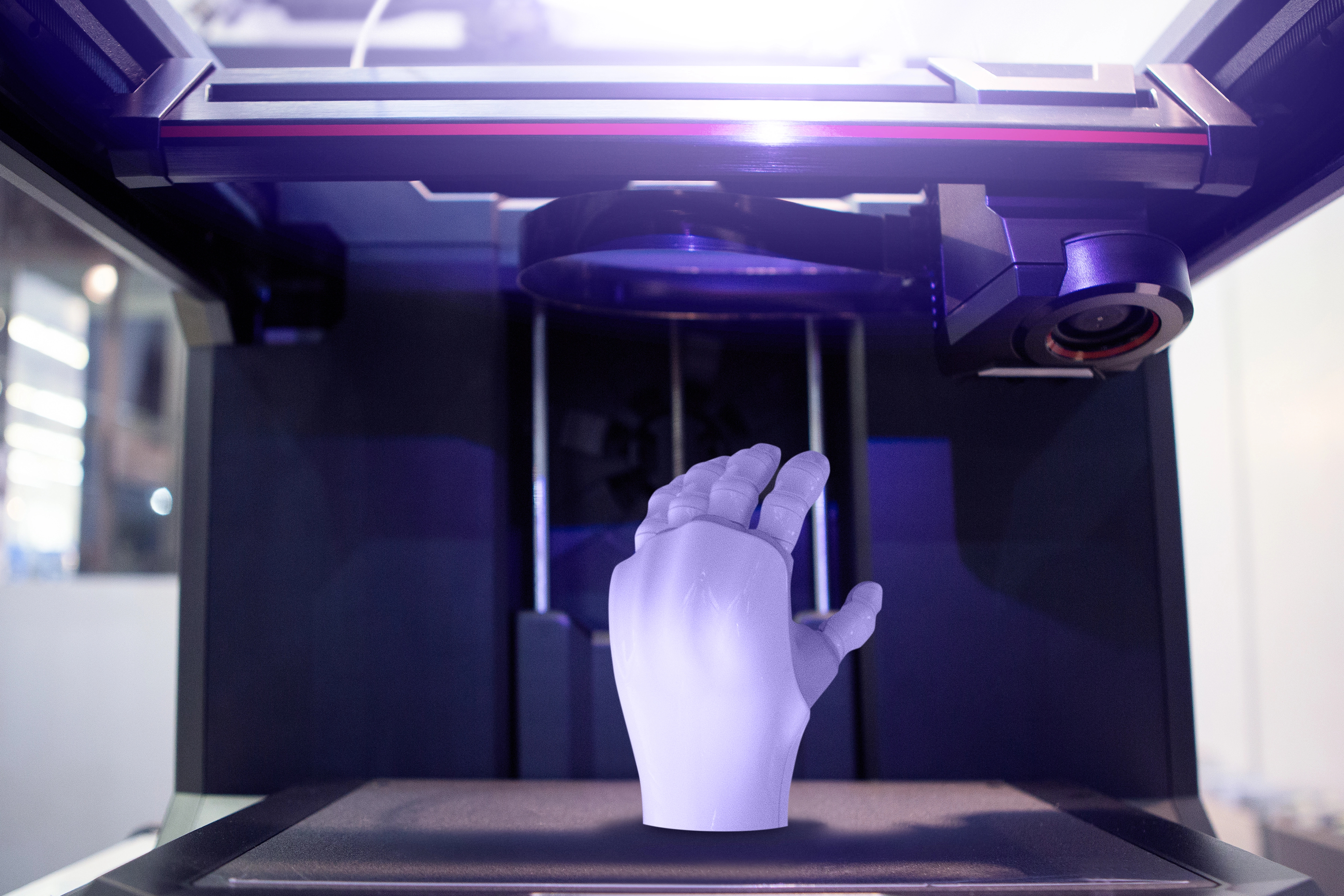


A team of students at The Bronx High School of Science is putting its engineering skills to work for a cause that reaches far beyond the classroom: creating prosthetic hands for people who cannot afford them.
Through Manus Nova, a student nonprofit based in the Bronx, the young innovators design, 3D-print, assemble and fit prosthetic hands that recipients receive free of charge. The team has already produced 11 hands and partnered with five organizations in Ghana, Ecuador and Kenya, including MEND, according to Lucas Zelenski, the project’s director.
The initiative brings together technology, practical problem-solving and a commitment to making assistive devices more accessible. Instead of limiting their work to school assignments or personal experiments, the students are developing devices intended to serve people facing a real financial barrier.
And they have built their project around one particularly important principle: the person receiving a prosthetic hand should not have to pay for it.
Making Prosthetic Hands Available at No Cost
Prosthetic devices can represent a significant expense for people who need them. Manus Nova is addressing that challenge by using 3D printing to produce its own designs and relying on donations to cover the materials.
According to the organization’s official website, materials cost approximately $30 per hand. Donations cover those expenses, allowing recipients to receive their devices without paying.
That relatively low material cost is central to the project’s approach. By designing and manufacturing the devices themselves, the students are working to make prosthetic hands accessible to people who might otherwise struggle to obtain one because of its price.
The team’s commitment goes beyond printing a collection of plastic components. Manus Nova says every device is designed and tested by the students against their own quality standards before it reaches a recipient.
The students print the individual pieces, assemble each hand manually and conduct fittings in person. The organization also provides fittings free of charge.
According to its website, building a device typically takes between two and four weeks. People seeking a prosthetic hand can contact Manus Nova directly to begin the process, with a student responding to inquiries within a day or two.
From Digital Designs to a Device Someone Can Use
The work involves several stages, bringing together the different skills needed to turn a design into a finished device.
First, the students develop and test their design. They then use 3D printers to manufacture the individual components, which they assemble by hand. Finally, they fit the completed device in person.
That process makes Manus Nova more than a project focused solely on operating a 3D printer. The students are responsible for developing their own designs, evaluating their work, assembling the parts and preparing the devices for individual recipients.
Testing is particularly important because the finished product is intended for someone to use. Manus Nova says it tests every device in-house before providing it to anyone.
The organization does not publish a detailed technical breakdown of its design or testing procedures on its homepage, but it emphasizes that its hands are designed, tested and assembled by the student team rather than simply purchased as finished products.
For the students, the project provides an opportunity to apply engineering and manufacturing skills to a practical challenge while working toward a humanitarian goal.
A Student Initiative With International Connections
Manus Nova’s work has also extended beyond New York.
Zelenski told The Bronx Daily that the team has partnered with five organizations in Ghana, Ecuador and Kenya, including MEND. These partnerships give the Bronx-based initiative connections with organizations operating in three countries.
The team has produced 11 prosthetic hands to date, marking a tangible milestone for a student-led effort that aims to make assistive devices available to people who cannot afford them.
The partnerships are an important part of the story because designing a device is only one part of making it available to someone who needs it. Working with other organizations can help connect a student engineering project with people and communities beyond the team’s immediate surroundings.
The specific roles of the five partner organizations, however, were not detailed in the information provided for this article.
Students Turning Their Skills Into Service
Manus Nova’s website identifies student team members including Lucas Zelenski, Louis Gui, Rishi Kothuru, Anthony Hur, Sithaara Nair, Aldrich Zheng and Sadek Nabil. The website also acknowledges alumni from the Class of 2026 who were involved with the initiative.
Zelenski’s submission describes the project as a ten-student effort. The current website roster lists seven students, so the complete current team size would need to be confirmed before publication.
The nonprofit is fiscally sponsored through Hack Club, according to Zelenski.
What makes the initiative particularly compelling is the connection between the students’ technical work and its intended purpose. Designing a device, printing its components and assembling it are not ends in themselves. The goal is to provide a useful prosthetic hand to someone who otherwise might not be able to afford one.
Manus Nova has established a process for designing, producing and fitting its devices, and its first 11 hands represent the progress reported by the team so far.
The students’ work is a reminder that innovation does not have to begin in a large corporation or a specialized research laboratory. It can also begin with young people who identify a practical problem and decide to use their skills to address it.
For Manus Nova, the mission is straightforward: create prosthetic hands, cover their material costs through donations and provide the finished devices to recipients at no charge.
It is a Bronx-based effort with an international reach, built around a simple idea: technology can be most meaningful when it helps make something important accessible to someone who needs it.
Featured image credit: DepositPhotos.com


