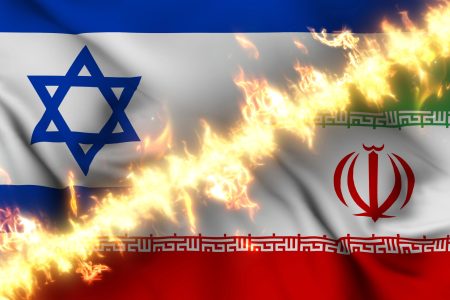




In one of the most consequential military operations of the 21st century, Iran’s Supreme Leader Ayatollah Ali Khamenei has been killed. As of February 28, 2026, multiple senior Israeli officials have confirmed that his body was recovered from the rubble of his Tehran compound following massive joint U.S.-Israeli airstrikes. President Donald Trump, in phone interviews with NBC and ABC News, stated he believes the reports are “correct” and that “most of the people that make all the decisions” in Iran’s leadership are gone. This decapitation strike ends the 37-year rule of the man who turned Iran into the world’s leading state sponsor of terrorism while crushing domestic freedom at home.
Satellite imagery released today shows extensive black smoke and structural collapse at Khamenei’s heavily fortified residence in northern Tehran—before-and-after views reveal a site reduced to debris by precision-guided munitions.
Regime of Repression & Proxy Warfare
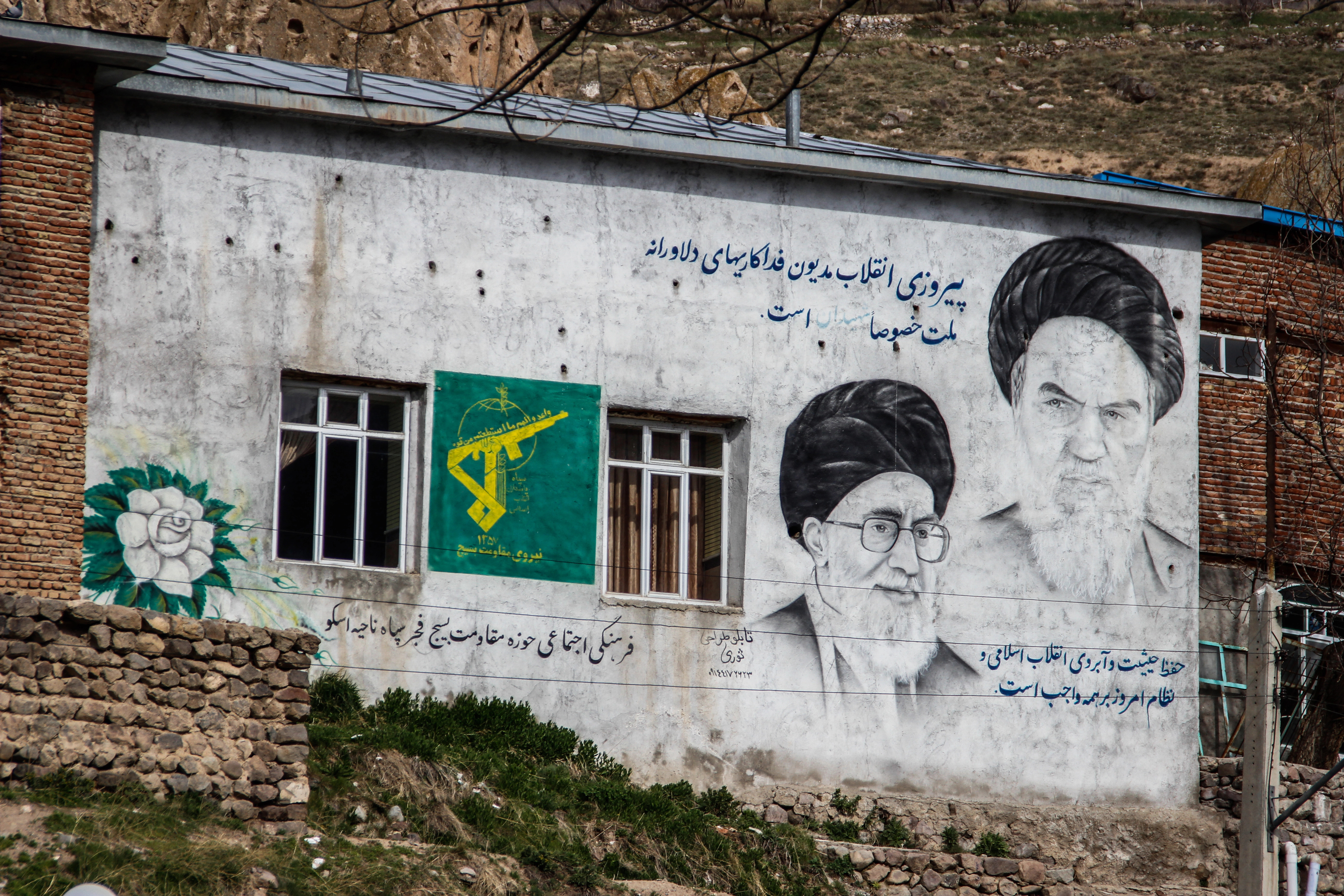
Khamenei assumed supreme power in 1989 after Ayatollah Ruhollah Khomeini’s death and spent decades enforcing a hardline Muslim theocracy. He funneled Iran’s oil wealth into proxy militias—Hezbollah, Hamas, Houthis, Iraqi Shia groups—that waged shadow wars against U.S. forces and Israeli civilians. Key atrocities tied to his regime include:
- 1983 Beirut barracks bombings (241 U.S. Marines killed by Hezbollah);
- 1994 AMIA Jewish community center bombing in Buenos Aires (85 dead);
- Iranian-supplied explosively formed penetrators (EFPs) that killed hundreds of American troops in Iraq (2003–2011);
- Direct funding and arming of Hamas’s October 7, 2023, massacre;
- Houthi drone and missile attacks disrupting global shipping in the Red Sea.
Domestically, his security forces brutally suppressed waves of protests: the 2009 Green Movement, 2019 fuel-price demonstrations, and the 2022 Woman, Life, Freedom uprising sparked by Mahsa Amini’s death in custody. Executions, torture, and morality-police crackdowns defined his era.
The Operation: Surgical Decapitation
The strikes began in the early hours of February 28, targeting Revolutionary Guard headquarters, missile bases, air defenses, nuclear sites, and leadership compounds. Khamenei’s residence was hit hard early in the sequence. Israeli Prime Minister Benjamin Netanyahu addressed the nation, citing “growing signs” and later “many indications that this tyrant is no longer alive.” A senior Israeli official told Reuters the body was found and identified; another confirmed to Axios that intelligence verified the recovery.
U.S. involvement included F-35s, drones, and supporting assets in what Trump described as “major combat operations” to eliminate “imminent threats from the Iranian regime—a vicious group of very hard, terrible people.” Reports indicate at least seven senior figures killed, including IRGC commanders like General Mohammad Pakpour.
Iranian state media initially claimed Khamenei was “safe and sound” and “firmly commanding the field,” but no public appearance or new statement from him has emerged since the strikes. Semi-official outlets repeated denials, yet the absence of evidence has fueled speculation of internal disarray.
File photo of Ayatollah Ali Khamenei delivering a televised address—his last known public appearance before the strikes.
Legacy of Blood & Isolation
Khamenei’s rule isolated Iran economically while projecting power through terror. Sanctions crippled ordinary Iranians, yet billions flowed to proxies instead of infrastructure or welfare. His nuclear program advanced to near-breakout capability, defying the JCPOA and UN resolutions. Rhetoric never softened: annual “Death to America” and “Death to Israel” chants, fatwas against critics, and vows to erase Israel from the map.
His death removes the veto-wielding figure who blocked any moderation from elected presidents.
A Fractured Future for Iran
Succession is uncertain. No clear heir was named; rumors swirl around his son Mojtaba, but the Islamic Revolutionary Guard Corps (IRGC) holds real power and may impose its own candidate. Analysts note the regime’s contingency plans exist, yet losing the supreme leader—plus other top commanders—could trigger infighting or openings for change.
Street-level reactions vary: some Tehran neighborhoods report quiet celebrations and chants echoing 2022 protest slogans; others brace for crackdowns. The youth-heavy population (over 60% under 35) has long demanded secular governance, women’s rights, and economic normalcy.
Regionally, this is a game-changer. Israel eliminates its most existential ideological foe; Gulf states long menaced by Iranian proxies gain breathing room. Global energy markets may stabilize without threats to the Strait of Hormuz. The Abraham Accords partners watch closely for ripple effects.
Iranians gathered in Karaj amid reports of the strikes—some scenes showing relief and calls for freedom as news spread.
What Comes Next
The operation continues, with U.S. and Israeli forces poised to counter retaliation. Iran has fired missile barrages toward Israel and U.S. bases (damage limited so far), but regime cohesion appears shaken. The UN Security Council held an emergency session; global powers weigh responses.
This strike proves targeted action against existential threats can alter history’s course. Khamenei, the architect of four decades of sponsored terror, proxy wars, and domestic tyranny, is gone. The mullah of global terror is no more.
The coming hours and days will reveal whether this blow fractures the regime irreparably or galvanizes hardliners. For now, one fact stands: February 28, 2026, marks the end of Ayatollah Ali Khamenei’s reign—and potentially the beginning of a different chapter for Iran and the Middle East.
Featured image credit: DepositPhotos.com