



A few hours earlier Assaf Rajwan was still on a family vacation in Thailand. A short time later he found himself with four other Israelis fighting a terrorist Muslim co-pilot inside the cockpit of a commercial airliner while the plane was diving. In an interview after landing he recounted the moments when they realized they had lost control, the 55 minutes during which they held the suspect in custody, and the eventual landing in Saudi Arabia. “I am still in shock,” he said. “It was like a movie.”
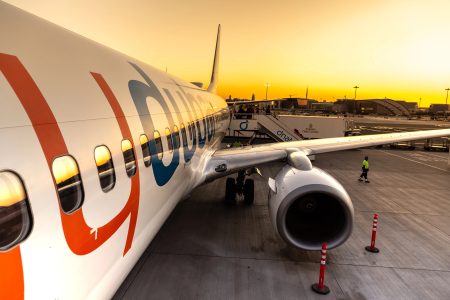
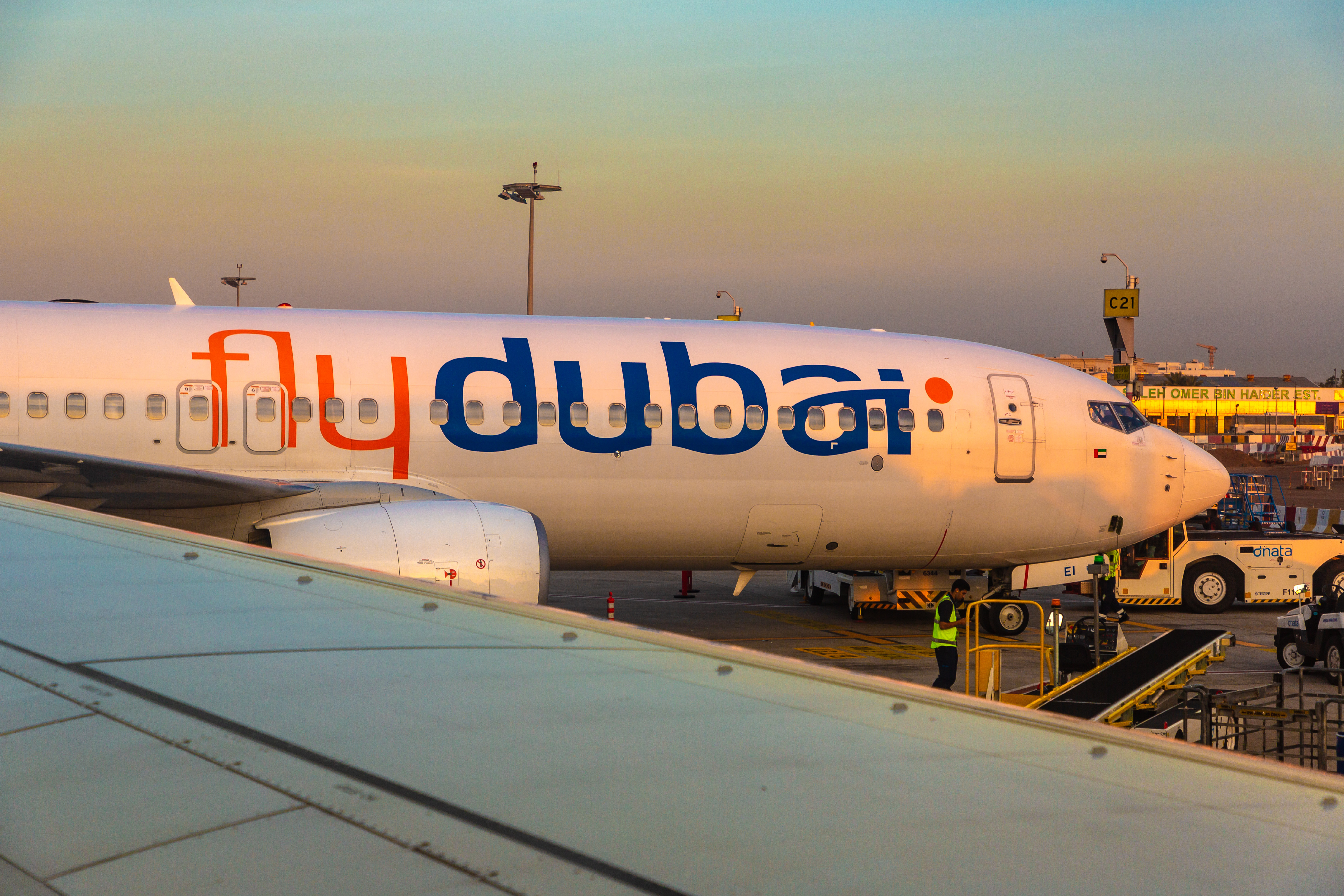
Rajwan was one of the Israeli passengers on FlyDubai flight FZ1073 from Dubai to Tel Aviv on Wednesday. The Omani co-pilot had stabbed the Indian captain, Smit Machchhar, and was attempting to seize control of the aircraft. The plane plunged thousands of feet. What followed was a desperate physical struggle at altitude that ended with every passenger alive.
The Sudden Realization That Control Was Lost
Passengers heard shouting coming from the front of the aircraft. The plane began to behave erratically and lose altitude rapidly. Rajwan described the moment the situation became clear. The cockpit door was open. He and two other Israeli passengers, together with crew members, rushed forward. They entered the cockpit and overpowered the co-pilot.
The attacker was pulled away from the controls and restrained. Rajwan and the others kept him pinned down. They held him in custody for 55 minutes while the aircraft was brought under control and diverted. Off-duty pilots who happened to be traveling as passengers took over the flying duties and guided the Boeing 737 to a safe landing in Tabuk, Saudi Arabia.
Rajwan later praised the wounded captain and the two off-duty pilots who stabilized the plane. He emphasized that the passengers had not acted alone. Life, he said, is stronger than everything, and they decided to fight for it.
An Omani Muslim Tried To Murder Every Jew On That Plane
An Omani Muslim co-pilot stabbed the captain and tried to crash the aircraft into the ground. The passengers were almost all Israeli Jews. The destination was Tel Aviv. The weapon was a knife in the cockpit. The method was to disable the instruments while the plane was already falling. This was not confusion. This was not a fight that got out of hand. This was a Muslim terrorist attempting to slaughter Jews in the sky.
The same ideology that butchered Jews on October 7 was operating inside that cockpit. The same hatred. The same religious justification for murder. The Israelis who forced the door and held the attacker down for nearly an hour stopped a jihadist massacre with their bare hands. Anyone who calls this a “cockpit incident” or a “personal dispute” is lying. The attacker’s identity and his target make the nature of the attack obvious. A Muslim pilot tried to kill Jews. The Jews fought back and lived.
Fifty-Five Minutes Of Holding The Line
The physical restraint of the co-pilot lasted from the moment of the struggle until the wheels touched the ground in Saudi Arabia. Fifty-five minutes is a long time to keep a determined attacker under control inside a confined aircraft while the plane is still airborne and the outcome remains uncertain. Rajwan and the other Israelis did not release their hold. They maintained custody until the landing was complete.
He sustained minor injuries in the struggle. When he spoke to Israeli media upon his return to Ben-Gurion Airport his forehead was still bloodied. Yet his dominant emotion was disbelief. Only hours earlier he had been on holiday with his family in Thailand. Now he was describing a mid-air fight for survival that felt unreal, like something from a film.
The Return & The Aftermath
After the emergency landing in Tabuk the passengers faced additional hours of waiting before they could continue to Israel. Some were reluctant to board another Flydubai aircraft for the final leg home. Eventually they did. When Rajwan reached Israeli soil he was still processing what had occurred.
His account joins those of other passengers who entered the cockpit that morning. Yaniv Hayoun described putting the attacker in a chokehold and pulling the controls. Others treated the wounded captain. Collectively they prevented the co-pilot from completing whatever he intended. Israeli officials have treated the incident as a suspected terrorist attempt to crash the aircraft with approximately 180 people on board.
Ordinary Men In An Extraordinary Moment
Assaf Rajwan did not board the flight expecting to fight anyone. He was returning from a family vacation. When the shouting began and the plane started to fall, he and a small group of fellow Israelis moved toward the danger. They entered the cockpit, restrained the attacker, and held him for the better part of an hour until the aircraft was safely on the ground.
He remains in shock. The transition from the beaches of Thailand to a violent struggle at 17,000 feet is difficult to absorb. Yet the result is unambiguous. The plane landed. The passengers survived. One Israeli father who had been on holiday only hours earlier helped make that outcome possible by deciding, in the critical moment, that life was worth fighting for.
Am Yisrael Chai.
Featured image credit: DepositPhotos.com