

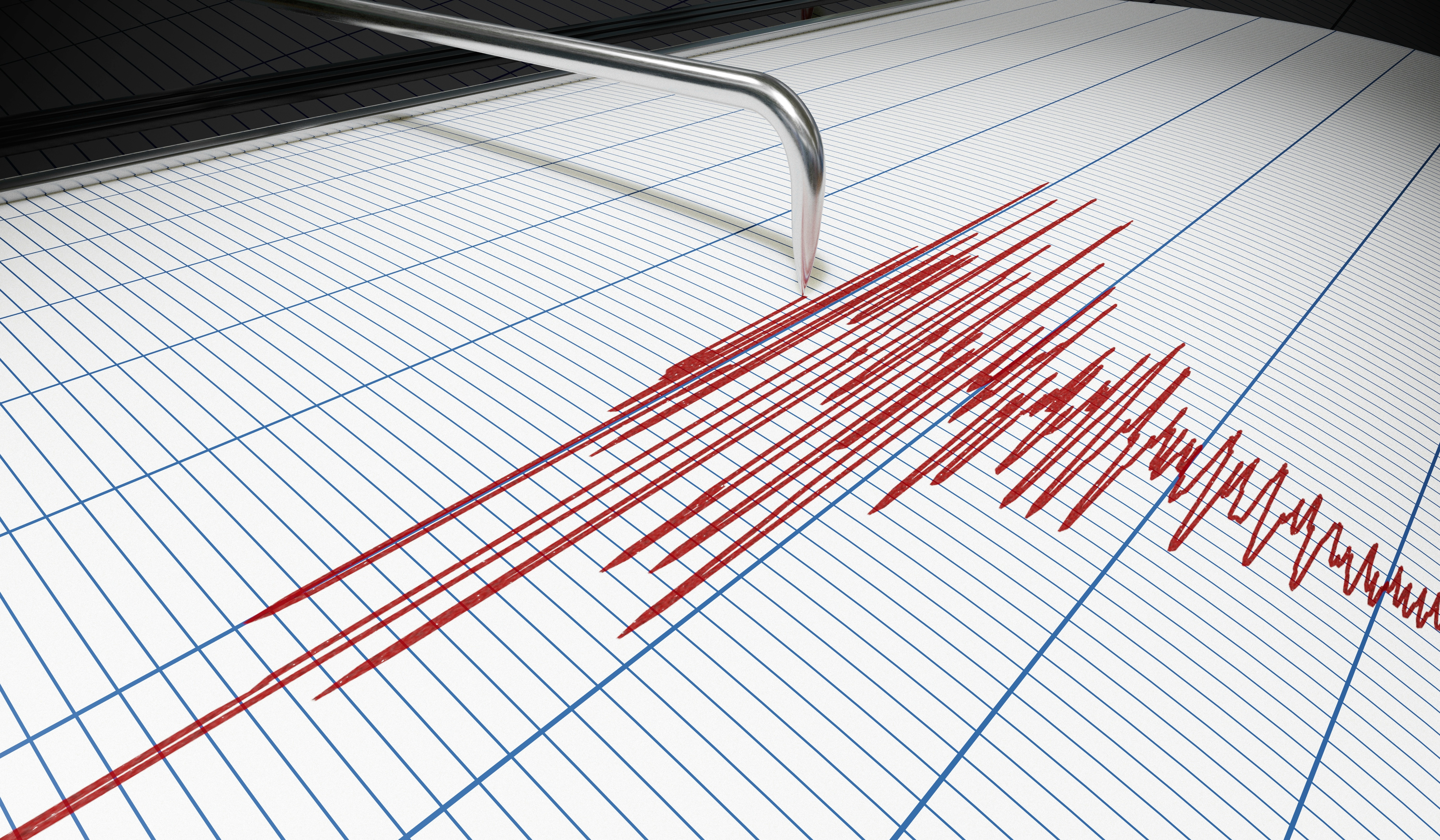


A powerful 7.5 magnitude earthquake struck Venezuela, causing significant damage in the capital city of Caracas and surrounding areas. The United States Geological Survey reported two major quakes with epicenters separated by about five kilometers. The strongest tremor registered 7.5, while the other measured 7.2. The epicenter of the most powerful quake was located near the city of Montalbán, approximately 168 kilometers from Caracas, at a shallow depth of 13 kilometers. This shallow depth amplified the destructive force, leading to collapsed buildings and widespread panic as residents rushed into the streets during the event.
Images and videos from the scene show the terrifying reality on the ground. Structures swayed violently. Some buildings partially or completely collapsed. Citizens experienced intense shaking that lasted long enough to cause serious structural damage. The event serves as a stark reminder of the raw power of nature and the vulnerability of densely populated urban centers when major seismic activity occurs.
Understanding The Scale Of A 7.5 Magnitude Earthquake
A 7.5 magnitude earthquake represents a massive release of energy from the Earth crust, typically caused by the movement and collision of tectonic plates. This movement generates seismic waves that travel through the ground, producing the violent shaking felt during a quake. The magnitude scale measures the intensity at the source. Scientists classify earthquakes above 7.0 as major events capable of causing serious destruction, especially in populated regions.
Earthquakes in the 7.0 to 7.9 range frequently result in significant damage. Buildings can collapse. Infrastructure such as roads, bridges, and power lines can fail. The closer the epicenter is to populated areas and the shallower the depth, the more severe the consequences become. In this case, the shallow depth of 13 kilometers greatly increased the impact near Caracas, even though the epicenter was 168 kilometers away. The combination of magnitude, depth, and proximity to urban centers created conditions for widespread destruction.
The largest earthquake ever recorded reached 9.5 magnitude in Chile in 1960. That event caused massive tsunamis and widespread devastation across the region. While the Venezuela quake was not on that scale, a 7.5 magnitude event still carries enormous destructive potential. It reminds Americans why seismic preparedness matters, even in regions not traditionally considered high-risk.
The Human & Structural Impact In Venezuela
Reports from Caracas describe chaotic scenes as the ground shook violently. People fled buildings. Some structures suffered partial collapses. Emergency services responded quickly, but the scale of the damage strained local resources. The Venezuelan government faces significant challenges in assessing the full extent of destruction and providing aid to affected residents. Power outages, disrupted communications, and damaged roads complicated early response efforts.
This disaster highlights the importance of building codes and infrastructure resilience in earthquake-prone areas. Many regions in Venezuela and across Latin America lack the stringent seismic standards common in places like California or Japan. Older buildings and poorly constructed structures suffered the worst damage. The event serves as a sobering lesson for nations with inadequate preparation for natural disasters.
Lessons For The United States & Global Preparedness
Americans should pay close attention to events like this. The United States sits on several major fault lines, including the San Andreas Fault in California and the New Madrid Seismic Zone in the central states. A major earthquake in a densely populated American city could cause catastrophic damage and loss of life. The Venezuela quake underscores the need for continued investment in earthquake-resistant infrastructure, early warning systems, and public preparedness.
From a conservative perspective, this tragedy also highlights the importance of strong governance and economic stability. Nations with weak institutions and struggling economies often suffer far more from natural disasters because they lack the resources and organizational capacity to respond effectively. Sound economic policies, reliable infrastructure, and limited government bureaucracy enable faster and more effective disaster response. Venezuela long-term challenges, including political instability and economic mismanagement, likely compounded the difficulties following this seismic event.
The Broader Context Of Natural Disasters & Human Resilience
Natural disasters have shaped human history since the beginning of time. They test the strength of societies, governments, and individuals. In the Judeo-Christian tradition, such events remind us of human vulnerability and the need for humility before the forces of creation. They also call forth courage, compassion, and community support as people come together to help those in need.
The people of Venezuela deserve prayers and practical assistance during this difficult time. The United States, as a leader in disaster response and humanitarian aid, has a long tradition of providing help when disasters strike. American charitable organizations and government agencies often mobilize quickly to support recovery efforts around the world. This spirit of generosity reflects core American values of strength and compassion.
At the same time, Americans must remain vigilant about preparedness at home. Federal, state, and local governments should continue investing in seismic retrofitting for critical infrastructure. Families should maintain emergency supplies and evacuation plans. Businesses in high-risk areas must develop continuity strategies. A strong and resilient nation prepares for the worst while hoping for the best.
Moving Forward With Strength & Wisdom
The 7.5 magnitude earthquake in Venezuela caused real suffering and destruction. It destroyed homes, disrupted lives, and challenged local authorities. Yet the human spirit often rises in the face of such trials. Rescue workers, volunteers, and ordinary citizens will come together to rebuild. The international community, including the United States, has an opportunity to provide meaningful assistance while respecting Venezuelan sovereignty.
For Americans watching from afar, this event should reinforce gratitude for the relative stability many enjoy and determination to maintain strong disaster preparedness. It should also encourage prayers for those affected and support for organizations providing relief.
Natural disasters remind us that life is fragile and that we depend on forces greater than ourselves. They call us to build wisely, govern responsibly, and care for our neighbors. As the people of Venezuela begin the long process of recovery, may they find strength, resilience, and hope for a better future.
Featured image credit: DepositPhotos.com