



Across Western cities, university campuses, and social media platforms, one slogan dominates modern street activism: “Free Palestine.” The phrase appears on banners, murals, profile photos, and megaphones. It has become one of the most recognizable protest chants of the twenty-first century. Yet a striking contradiction exists inside this movement. Many of the same activists who claim to oppose oppression, colonialism, authoritarianism, and human rights abuses show little to no interest in the suffering of millions of Iranians living under one of the most repressive regimes on Earth.
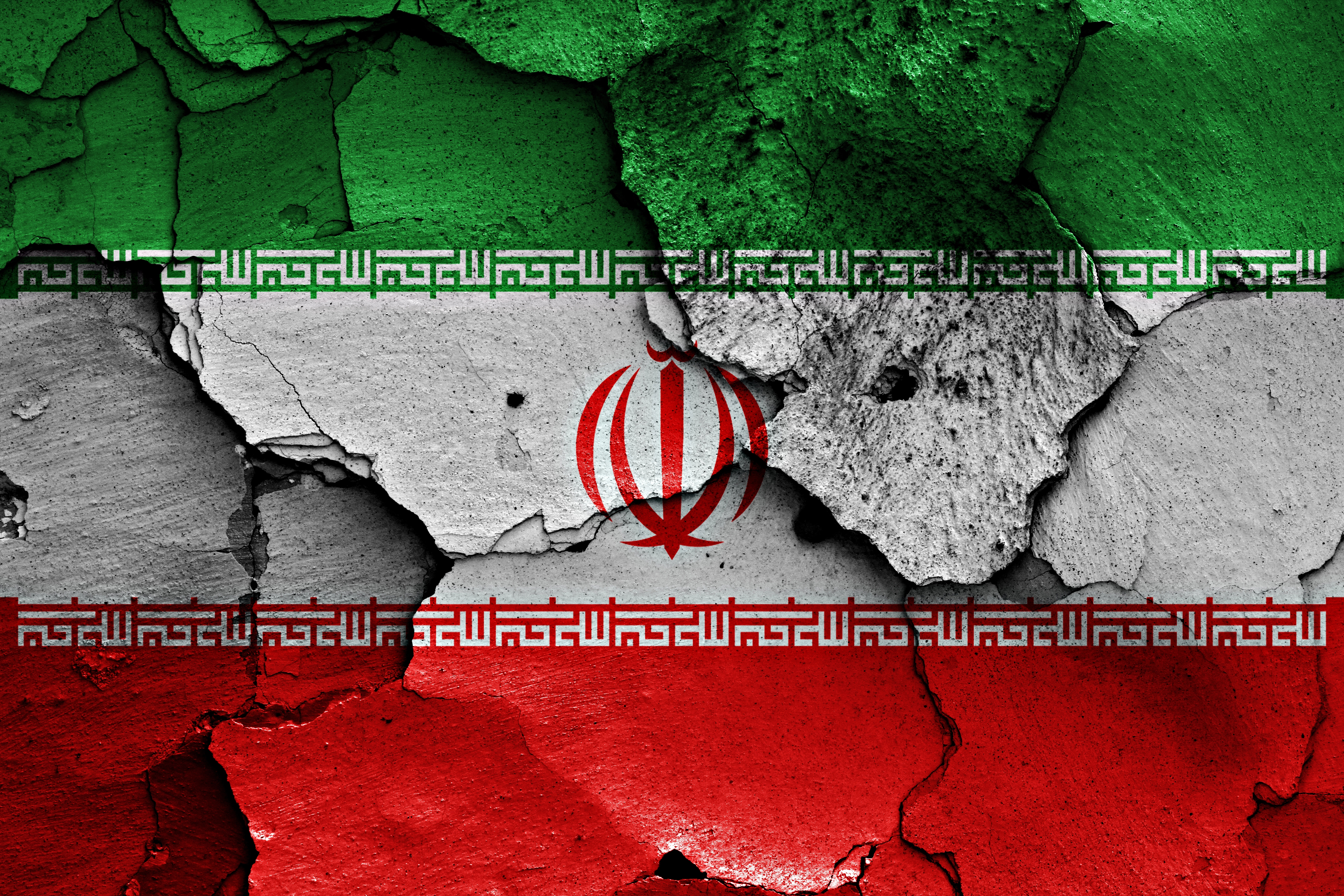
Iran is not merely a country with political disagreements. It is a theocratic dictatorship where dissent can lead to prison, torture, or execution. Women are beaten or killed for refusing mandatory veiling. Journalists are jailed. Political prisoners are executed. Ethnic and religious minorities are persecuted. Internet access is shut down during protests. Entire families are punished for the actions of one member. Yet global protest culture rarely mobilizes under banners such as “Free Iran.”
This article examines why that silence exists, what ideological forces shape it, and what it reveals about the selective morality dominating modern activism.
Iran Is One Of The Most Repressive Regimes In The World
Iran is ruled by an unelected Supreme Leader and a clerical elite that controls the military, courts, media, and economy. Elections are tightly filtered by religious authorities. Candidates who oppose the system are disqualified. The Islamic Revolutionary Guard Corps operates as both a military force and an internal security service, crushing dissent and exporting terrorism abroad.
Human rights organizations consistently document the Iranian regimes abuses. These include public executions, imprisonment of dissidents, forced confessions, torture, religious persecution, and the criminalization of free speech. Women face legal discrimination in marriage, inheritance, and court testimony. Protesters are routinely killed or disappeared.
In recent years, massive protests erupted across Iran, sparked by the death of young women arrested for alleged dress code violations. Security forces responded with lethal violence, mass arrests, and widespread internet shutdowns. Despite clear evidence of brutality, global protest movements showed only limited interest. The silence was not accidental.
The Ideological Filter Of Modern Activism
Modern protest culture is not driven purely by human rights concerns. It is filtered through ideological frameworks that divide the world into simplified categories of oppressors and oppressed. These categories often depend more on political narratives than on lived reality.
In this framework, Western democracies are automatically classified as oppressors. Nations aligned against the United States or Israel are frequently labeled as victims, regardless of how they treat their own people. Iran benefits from this distortion because it positions itself as anti-American and anti-Israel. That positioning shields it from criticism in activist circles, even while it brutalizes its own population.
Iranian women protesting forced veiling are rarely framed as freedom fighters. They are often ignored or minimized because acknowledging their struggle would contradict the ideological storyline that paints Iran as a victim rather than a perpetrator.
Why “Free Palestine” Dominates The Narrative
The Palestinian cause fits neatly into activist narratives for several reasons. It is framed as a struggle against a Western-aligned democracy. It can be simplified into emotionally powerful imagery. It is supported by decades of international media focus. It also offers an easy moral story with a clear villain assigned.
Iran does not fit this structure. Freeing Iran would require acknowledging that a self-described revolutionary, anti-Western, anti-capitalist regime is one of the worst abusers of human rights in the Middle East. That admission disrupts the ideological comfort zone of many activists.
In short, Iran does not serve the preferred political narrative. Therefore, it does not receive the same attention.
The Media Echo Chamber
Media coverage plays a powerful role in shaping public awareness. Western media outlets frequently amplify protests that fit popular ideological trends while minimizing coverage of others. Iranian dissidents often struggle to gain sustained attention. Their stories appear briefly and then disappear.
Meanwhile, Palestinian activism receives constant reinforcement through documentaries, celebrity endorsements, academic panels, and nonprofit campaigns. This creates a feedback loop where one cause becomes omnipresent while others fade from public consciousness.
Silence That Enables Oppression
The absence of loud international pressure matters. Authoritarian regimes respond to global scrutiny. Sanctions, diplomatic isolation, and media exposure can weaken their grip. When global activists remain silent, oppressive systems grow stronger.
Iranian dissidents frequently express frustration that their suffering does not generate the same international outrage as other causes. Many feel abandoned by the very activists who claim to oppose tyranny.
The Moral Contradiction
It is logically inconsistent to oppose oppression in one region while ignoring it in another. True human rights advocacy must be universal, not selective. It must defend women beaten for removing head coverings just as loudly as it defends any other group.
The selective outrage displayed by modern protest movements reveals that much of their activism is driven more by political identity than by moral consistency.
What Freeing Iran Would Actually Mean
Freeing Iran does not mean foreign invasion. It means amplifying Iranian voices. It means demanding the release of political prisoners. It means condemning executions and forced confessions. It means supporting free internet access, independent media, and womens rights. It means applying pressure on companies and governments that enable repression.
These are the same principles activists claim to support elsewhere. The difference is that applying them to Iran would challenge ideological loyalties.
Conclusion
The silence surrounding Irans oppression is not accidental. It is the product of ideological bias, media filtering, and a protest culture that prioritizes narrative convenience over universal human dignity.
If global activism truly stands for justice, then Iranian women, students, journalists, and political prisoners deserve the same attention and outrage granted to other causes. Until that happens, modern protest movements will continue to reveal that their morality is selective, their outrage curated, and their principles compromised.
True freedom advocacy does not choose its victims. It defends them all.
Featured image credit: DepositPhotos.com