


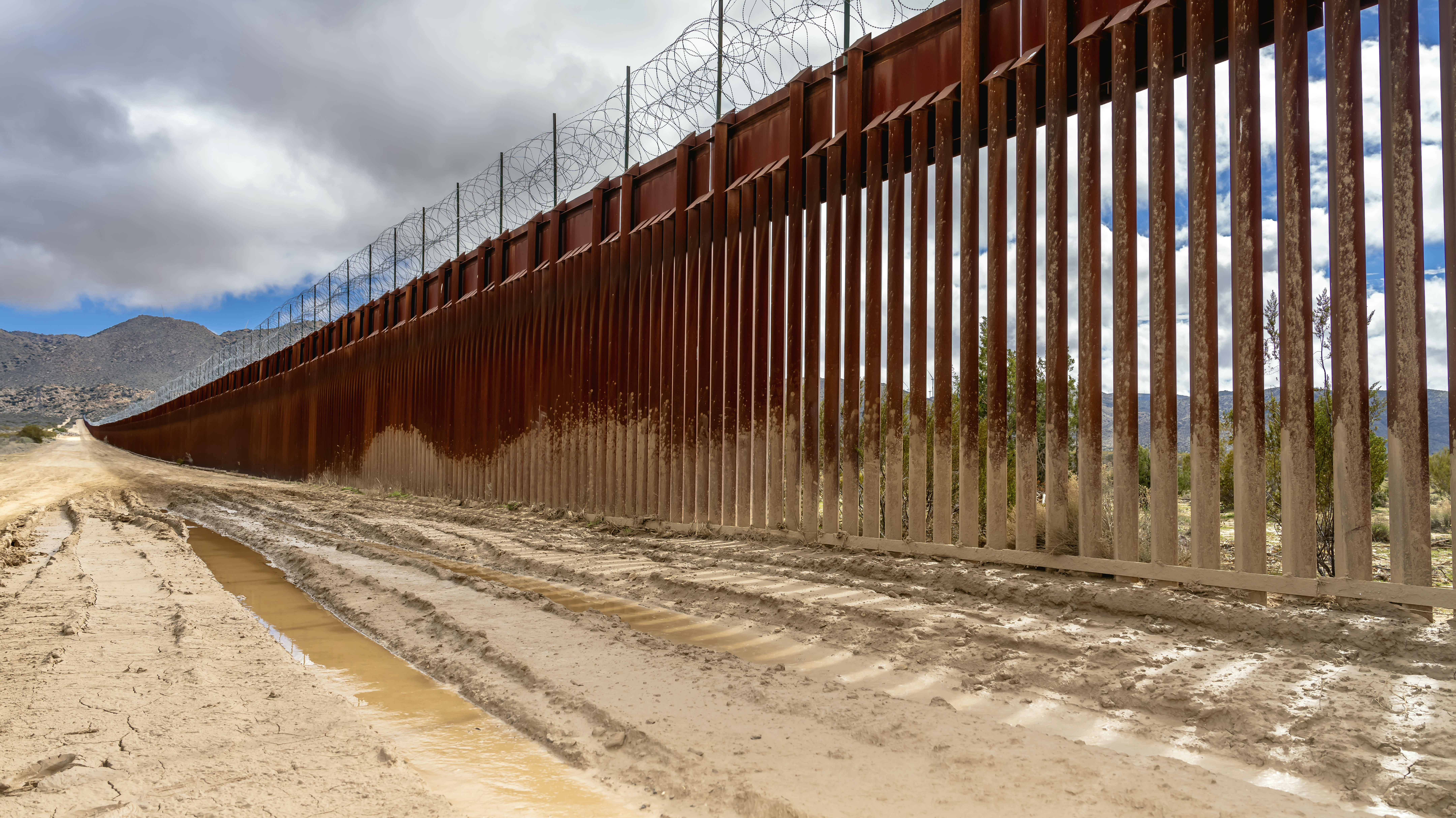


A three-judge panel of the Ninth Circuit Court of Appeals has lifted a preliminary injunction that restricted Border Patrol immigration enforcement operations in California’s Central Valley. The lower court had imposed the limits after allegations that agents detained individuals without reasonable suspicion and conducted warrantless arrests. The appeals court found that the district judge failed to properly analyze standing for forward-looking relief and made clear that past harm alone is insufficient to support a broad injunction against future enforcement actions.
The panel vacated the injunction and remanded the case for a correct standing determination. In the meantime, Border Patrol agents are no longer bound by the district court’s restrictions. The Justice Department described the ruling as a reaffirmation that federal courts cannot shut down immigration operations based solely on allegations of past incidents.
This decision restores operational flexibility to agents tasked with enforcing federal immigration law in a region that has long been a focal point for illegal immigration and related criminal activity. It also pushes back against a pattern of district court injunctions that have repeatedly attempted to micromanage frontline enforcement.
The Lower Court Overreach
The original injunction arose from claims that Border Patrol agents in the Central Valley stopped and detained people without adequate reasonable suspicion and made arrests without warrants in circumstances that plaintiffs argued violated constitutional standards. The district court responded by imposing significant limits on how agents could operate across a wide geographic area.
That approach treated isolated or disputed allegations as justification for a sweeping restriction on an entire category of federal law enforcement activity. Immigration enforcement, by its nature, requires agents to make rapid judgments in the field based on specific facts. When a court freezes large parts of that activity on the basis of past claims, it effectively substitutes judicial second-guessing for the expertise and authority of the executive branch.
The Ninth Circuit panel correctly identified the core legal defect. Standing for prospective injunctive relief requires more than evidence that someone was previously harmed. Plaintiffs must show a real and immediate threat of future injury. Past incidents, even if proven, do not automatically authorize a court to rewrite enforcement protocols going forward. By failing to conduct that analysis properly, the district court exceeded its authority.
Why Standing Matters In Enforcement Cases
Standing doctrine exists to keep courts within their constitutional lane. Federal judges do not sit as super-police chiefs with the power to redesign law enforcement operations whenever advocacy groups dislike the results. When courts lower the bar for standing in immigration cases, they invite a steady stream of lawsuits aimed at paralyzing enforcement through preliminary injunctions.
The Central Valley case fits a larger pattern. Advocacy organizations file suit based on selected encounters, obtain a broad injunction from a sympathetic district judge, and then use that injunction to constrain agents across an entire region. The practical effect is to create enforcement-free zones or heavily restricted zones inside the United States. Illegal immigrants and the criminal networks that exploit them benefit. American communities dealing with the consequences of illegal immigration do not.
The Ninth Circuit’s ruling interrupts that strategy, at least for now. By insisting on a proper standing inquiry, the panel has reminded lower courts that the judicial power is limited. Allegations of past misconduct must be addressed through appropriate channels—individual claims, internal investigations, or targeted remedies—not through blanket prohibitions on future enforcement.
Border Patrol’s Mission And The Central Valley Reality
Border Patrol agents are responsible for detecting and apprehending individuals who enter the country illegally or who are present in violation of immigration law. In agricultural regions such as California’s Central Valley, this work often involves encounters with individuals who have recently crossed the border or who have absconded from immigration proceedings. Agents rely on training, experience, and specific articulable facts to form reasonable suspicion.
Restricting those operations based on contested allegations makes the job more difficult and more dangerous. It also signals to smugglers and illegal entrants that certain areas offer greater protection from enforcement. The result is predictable: increased illegal activity, greater strain on local resources, and diminished respect for federal law.
The Justice Department’s characterization of the ruling is accurate. Courts cannot be permitted to shut down immigration enforcement on the strength of past allegations alone. Doing so transfers core executive authority to the judiciary and undermines the separation of powers. Immigration policy is set by Congress and carried out by the executive branch. Judges exist to resolve concrete cases and controversies, not to serve as ongoing supervisors of field operations.
Broader Implications For Immigration Enforcement
This decision arrives at a moment when the United States continues to face high levels of illegal immigration and the associated costs in crime, social services, and public safety. Judicial interference that hampers Border Patrol and Immigration and Customs Enforcement has been a recurring obstacle to effective enforcement. Nationwide or region-wide injunctions issued by single district judges have repeatedly forced the government to litigate basic operational questions for months or years.
A ruling that tightens standing requirements for prospective relief is a step toward restoring balance. It does not immunize agents from accountability. Misconduct, when it occurs, should be investigated and punished. It does, however, prevent advocacy groups from converting every disputed stop into a vehicle for rewriting enforcement rules across entire states.
California’s Central Valley is not a unique case. Similar legal battles have played out in other jurisdictions where local political resistance to immigration enforcement collides with federal authority. The Ninth Circuit’s analysis provides a template that other courts should follow: demand a proper showing of standing before entertaining broad injunctions against future law enforcement activity.
Restoring Operational Authority
The practical consequence of the panel’s decision is immediate. Border Patrol agents in the affected area may resume operations without the district court’s restrictions while the standing question is reexamined. That restoration of authority matters. Agents who hesitate because of judicially imposed uncertainty are less effective. Communities that rely on federal enforcement to address illegal immigration and related crime benefit when agents can do their jobs.
The case will continue. The district court must now conduct the standing analysis the Ninth Circuit found lacking. Plaintiffs will still have the opportunity to prove a genuine threat of future harm if they can. What they no longer possess is a free-floating injunction that constrained federal enforcement on the basis of an incomplete legal foundation.
American immigration law is not optional. It is the product of congressional statutes and presidential enforcement priorities. When courts treat enforcement itself as the problem and respond with sweeping restrictions, they invert the constitutional order. The Ninth Circuit’s decision corrects that inversion in this instance. It should be welcomed by anyone who believes that borders mean something and that federal agents must be allowed to enforce the law without constant judicial micromanagement.
Featured image credit: DepositPhotos.com