


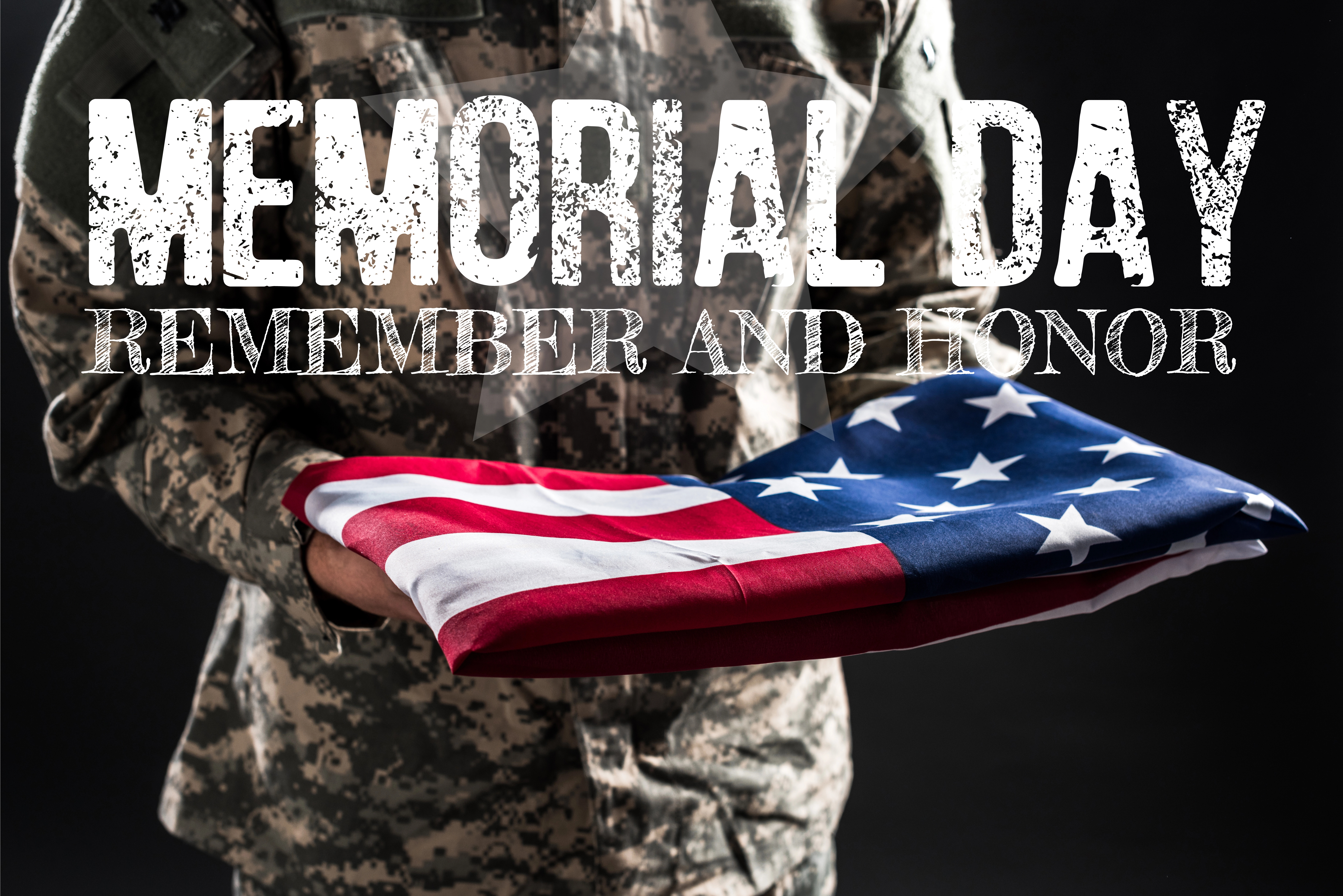


Memorial Day 2026 arrives heavy with memory and meaning. Families gather at gravesites across the country. They place flowers, say quiet prayers, and stand in silence before white headstones that stretch as far as the eye can see. This day is not merely another holiday. It is not just the start of summer or an excuse for backyard barbecues. It is a solemn time set aside to remember the men and women who never came home from war. They gave everything so that the rest of us could live in freedom.
One cannot walk through Arlington National Cemetery or any military burial ground without feeling the weight of their sacrifice. Each cross represents a life cut short. Each name carved in stone marks a story of courage that ended far too soon. From the bloody beaches of Normandy to the harsh terrain of Afghanistan, from the frozen hills of Korea to the dense jungles of Vietnam, American service members stepped forward when duty called. They did not ask for guarantees. They did not demand recognition. They simply answered the call.
The True Cost Of Freedom
Memorial Day exists for one purpose: to honor those who died in service to the nation. This day belongs to the fallen, not to the living who returned. That distinction matters deeply. In our fast-paced world, where holidays blur into commercial events, the original meaning risks being lost. The men and women buried beneath those markers did not die for vague notions of democracy. They died for a specific country, with specific ideals, flaws and all.
They believed in the American promise. They believed in liberty, self-government, and a nation that stood as a bulwark against tyranny. Many left behind young families, unfinished dreams, and futures they would never see. Their sacrifice was not abstract. It was personal and final. On this Memorial Day, Americans owe it to them to reflect honestly on whether the country remains worthy of such devotion.
A Nation In Danger Of Forgetting
There is a troubling shift in parts of American society today. Some voices treat military sacrifice as outdated or even embarrassing. Certain schools teach versions of history that focus almost entirely on faults while downplaying acts of heroism. Monuments face criticism. Patriotic displays sometimes draw suspicion. This cultural drift disrespects the memory of those who believed America was worth fighting and dying for.
The soldiers, sailors, airmen, and Marines who rest in national cemeteries were not perfect. Neither was the nation they served. Yet they fought for its founding principles: individual rights, equality under the law, freedom of speech, and the right to pursue happiness without government oppression. Their blood bought time for future generations to improve upon the American experiment. To treat their memory lightly or to rewrite their legacy is a profound form of ingratitude.
Lessons From Those Who Paid The Highest Price
Every major conflict in American history offers hard-earned wisdom. World War II showed the necessity of confronting evil before it consumes the world. Korea proved the high cost of containing aggressive ideologies. Vietnam revealed the dangers of fighting without clear purpose or full national commitment. The wars in Iraq and Afghanistan demonstrated both American bravery and the limits of trying to rebuild nations in hostile environments.
What connects all these wars is the common thread of personal sacrifice. Young people left their homes, faced terror and hardship, and often gave their last full measure of devotion. Their stories deserve to be told plainly and honestly. They were not pawns in political debates. They were real human beings who loved their country enough to die for it.
On Memorial Day 2026, communities should make a point of sharing these stories with younger generations. Children need to hear about the courage at Iwo Jima, the endurance at Khe Sanh, and the determination shown in Fallujah. These accounts build appreciation for freedom and a sense of responsibility to protect it.
A Call To Live Worthy Of Their Sacrifice
Memorial Day should stir more than ceremony. It should prompt serious self-examination. Are Americans living in ways that honor the price paid on their behalf? Do they cherish the liberties secured through blood? Do they teach their children to respect the flag, the Constitution, and the military members who defend both?
The nation faces real challenges in 2026. Borders remain under pressure. Economic uncertainties persist. Cultural divisions run deep. Threats from authoritarian regimes abroad continue. In moments like these, remembering the fallen provides essential perspective. The difficulties of today are real, but they pale compared to the trials overcome by previous generations through courage and unity.
Every citizen can honor the dead through simple actions. Visit a cemetery. Read the names. Support organizations that help Gold Star families. Speak truthfully about American history. Most importantly, defend the constitutional republic those service members swore to protect.
The Debt That Can Never Be Fully Repaid
No speech or memorial can ever fully repay what the fallen gave. The only meaningful response is to strive to be a nation worthy of their sacrifice. That requires preserving liberty, maintaining strength, and passing on a country that still believes in its founding promise.
On this Memorial Day, as taps sounds across the land and flags fly at half-staff, Americans should pause in genuine reverence. The fallen are not distant figures from textbooks. They are the reason the United States continues as a free and sovereign nation. Their memory calls the living to higher standards of citizenship and courage.
Let this Memorial Day not fade into just another long weekend. Let it serve as a solemn recommitment to the values that made America worth defending. The fallen deserve nothing less. Their sacrifice echoes through time with a clear demand: remember, honor, and preserve what they died for.
Featured image credit: DepositPhotos.com