

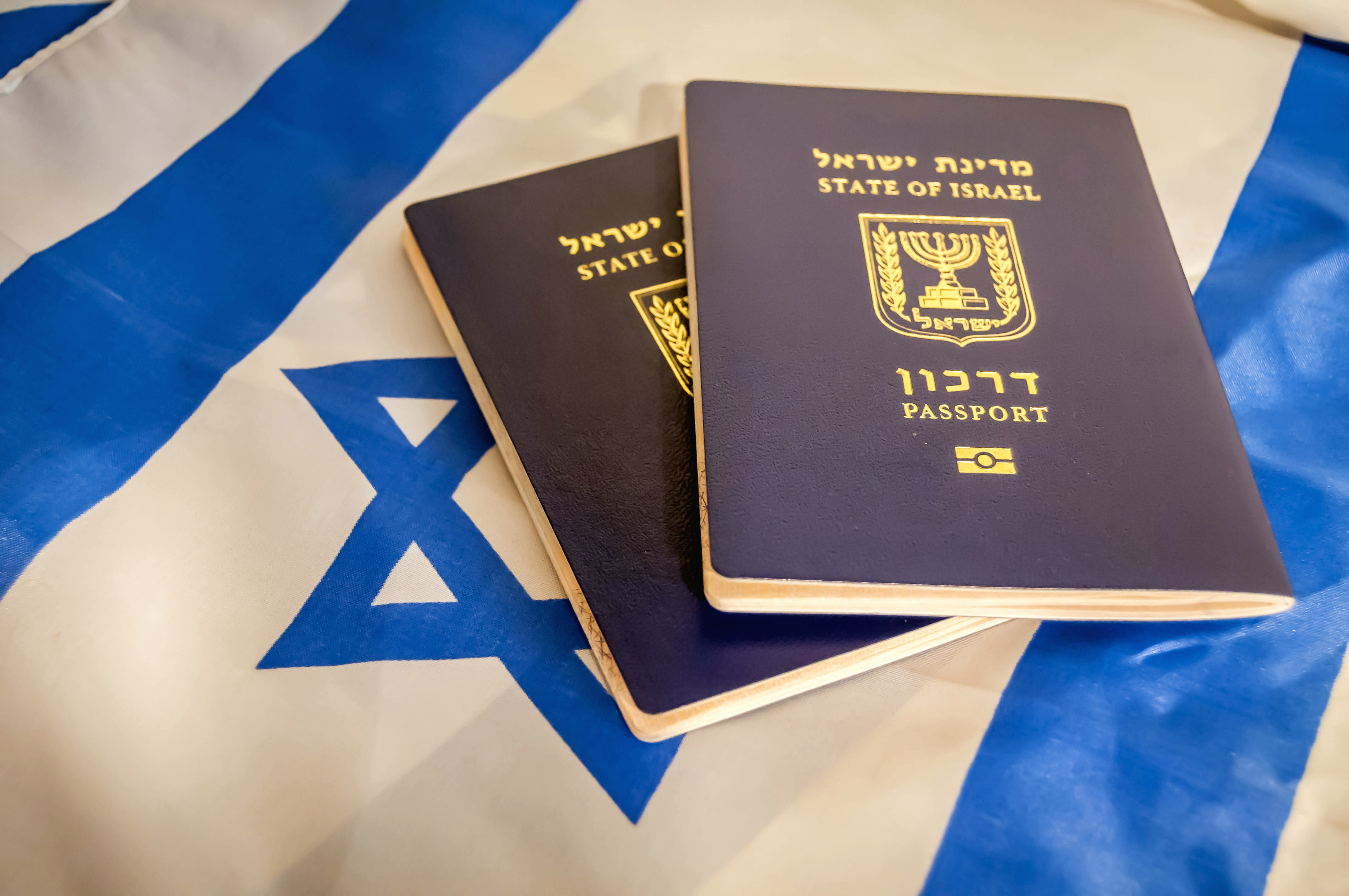


While Israel and the IDF confront relentless lies and severe accusations worldwide, two Israeli filmmakers produced NAZA, a film portraying Israel as responsible for the calculated mass killing of Palestinian civilians in Gaza. Produced by The Guardian and JW Films, the film relies on anonymous testimony from 24 individuals presented as members of Israel’s military and intelligence services. After it received an official award at the Venice Film Festival, Culture Minister Miki Zohar announced that he would act immediately to revoke the filmmakers Israeli citizenship.
The willingness of these creators to harm their homeland in exchange for applause from antisemites around the world is inconceivable and constitutes a betrayal of the state, Zohar declared. This is not accountability. It is an international blood libel built on anonymous accusations, rewarded with prestige and applause. It places every Israeli soldier and citizen at greater risk while giving antisemites exactly the justification they were waiting for.
The Film And Its Claims
NAZA, directed by Yuval Abraham and Rachel Szor, presents itself as an expose of Israeli military operations in Gaza. The filmmakers, previously involved in the Oscar-winning documentary No Other Land, claim the work reveals systems behind what they describe as calculated mass killing of Palestinian civilians. The title itself draws from a military acronym associated with expected civilian casualties in strikes. The film is built on interviews with 24 anonymous sources presented as soldiers and intelligence personnel.
Anonymous testimony of this kind carries inherent problems. Viewers cannot assess the credibility, rank, access, or motivations of the speakers. In the middle of a war launched by the Hamas massacre of October 7, 2023, such material is immediately weaponized by those already committed to the narrative that Israel targets civilians as policy. The Venice Film Festival rewarded the project with the Special Jury Prize and a lengthy standing ovation. International audiences and critics treated the film as confirmation of long-standing accusations rather than as one contested account among many.
Israel has repeatedly stated that its operations target Hamas infrastructure and fighters embedded among civilians, and that it takes measures to reduce civilian harm even while fighting an enemy that deliberately uses human shields. The film rejects that framework and instead advances a charge of systematic, calculated mass killing. That charge, amplified by a major European festival and a major Western newspaper as co-producer, travels far beyond any single screening.
The Minister’s Response
Culture Minister Miki Zohar did not mince words. He described the film as vile and the creators actions as betrayal. He announced his intention to move immediately toward revocation of their Israeli citizenship. Zohar has long argued that Israeli taxpayers should not finance cultural works that attack the IDF and the state. He has linked this case to broader reforms in public funding for cinema aimed at ending subsidies for projects he views as hostile to the country soldiers and citizens.
National Security Minister Itamar Ben Gvir issued an even sharper condemnation, calling the filmmakers a shame and a dishonor to the people of Israel and telling them to leave. The intensity of the official reaction reflects the belief that the film does not merely criticize policy. It supplies ammunition to those who seek to delegitimize Israel’s right to defend itself.
Citizenship revocation in Israel is not a simple administrative act. It requires a formal legal process involving the Interior Ministry and the courts, typically on grounds of disloyalty or actions that harm state security. Whether Zohar initiative succeeds remains to be determined through that process. The political signal, however, is unambiguous. The government views this particular work as crossing a bright line.
Why The Stakes Are High
Every Israeli soldier operating in Gaza already faces a hostile information environment. False or exaggerated claims of deliberate civilian targeting circulate constantly and are treated as established fact by large segments of the international media, activist networks, and certain diplomatic circles. A film produced by Israeli citizens, awarded at a prestigious European festival, and built on anonymous military voices adds a powerful new layer of apparent authenticity to those claims.
The practical effect is to increase danger. Soldiers become more vulnerable to legal and political attacks. The state becomes more isolated. Antisemites gain material they can present as insider confirmation. The distinction between legitimate criticism of specific operations and a wholesale accusation of calculated mass killing is erased for audiences predisposed to believe the worst.
Israel has faced blood libels before. Accusations of deliberate child killing, organ harvesting, and systematic atrocity have a long and ugly history. Modern versions often arrive wrapped in the language of human rights and investigative journalism. When those versions receive awards and standing ovations, the damage is not abstract. It shapes public opinion, campus activism, diplomatic pressure, and the moral climate in which Israeli citizens must live and fight.
The Broader Pattern
Abraham and Szor are not the first Israeli artists to produce work that aligns with external narratives hostile to the state. They are, however, among the most prominent to receive major international recognition for doing so during an active war of survival. The decision to base a high-profile documentary on anonymous sources while the country remains under rocket fire and hostage crisis conditions reflects a choice of priorities. Prestige and applause from certain international circles took precedence over solidarity with the soldiers and civilians under threat.
Zohar response treats that choice as disqualifying. In his view, citizenship is not merely a legal status. It carries obligations of basic loyalty, especially when the state is engaged in a defensive war against an enemy that openly seeks its destruction. Filmmakers who convert contested or anonymous claims into an award-winning indictment of their own military cross that line.
Critics of the minister will call the threatened revocation authoritarian or an attack on free expression. Supporters will reply that free expression does not require the state to retain as citizens those who actively assist in the global campaign to brand its soldiers as systematic killers of civilians. Both positions will be tested in the legal and political arena in the coming months.
The Real Cost
The film does not exist in a vacuum. It lands in a world already saturated with imagery and rhetoric that portrays Israel as uniquely malevolent. It supplies a sophisticated, festival-approved product that can be cited by activists, politicians, and media outlets seeking to justify further isolation, boycotts, and legal assaults. Every Israeli family with a son or daughter in uniform pays a price when such material gains traction.
Culture Minister Miki Zohar has drawn a clear boundary. The creators of NAZA chose international acclaim over national solidarity at a moment when the country remains at war. He has answered that choice by initiating a process aimed at stripping them of Israeli citizenship. Whether the process succeeds or not, the statement itself registers the depth of the perceived betrayal.
This is not a debate over artistic freedom in peacetime. It is a confrontation over whether Israeli citizens may, with international partnership and reward, advance a narrative that endangers their own soldiers and fuels the oldest hatred under a modern guise. Zohar has decided that the answer is no.
Featured image credit: DepositPhotos.com