


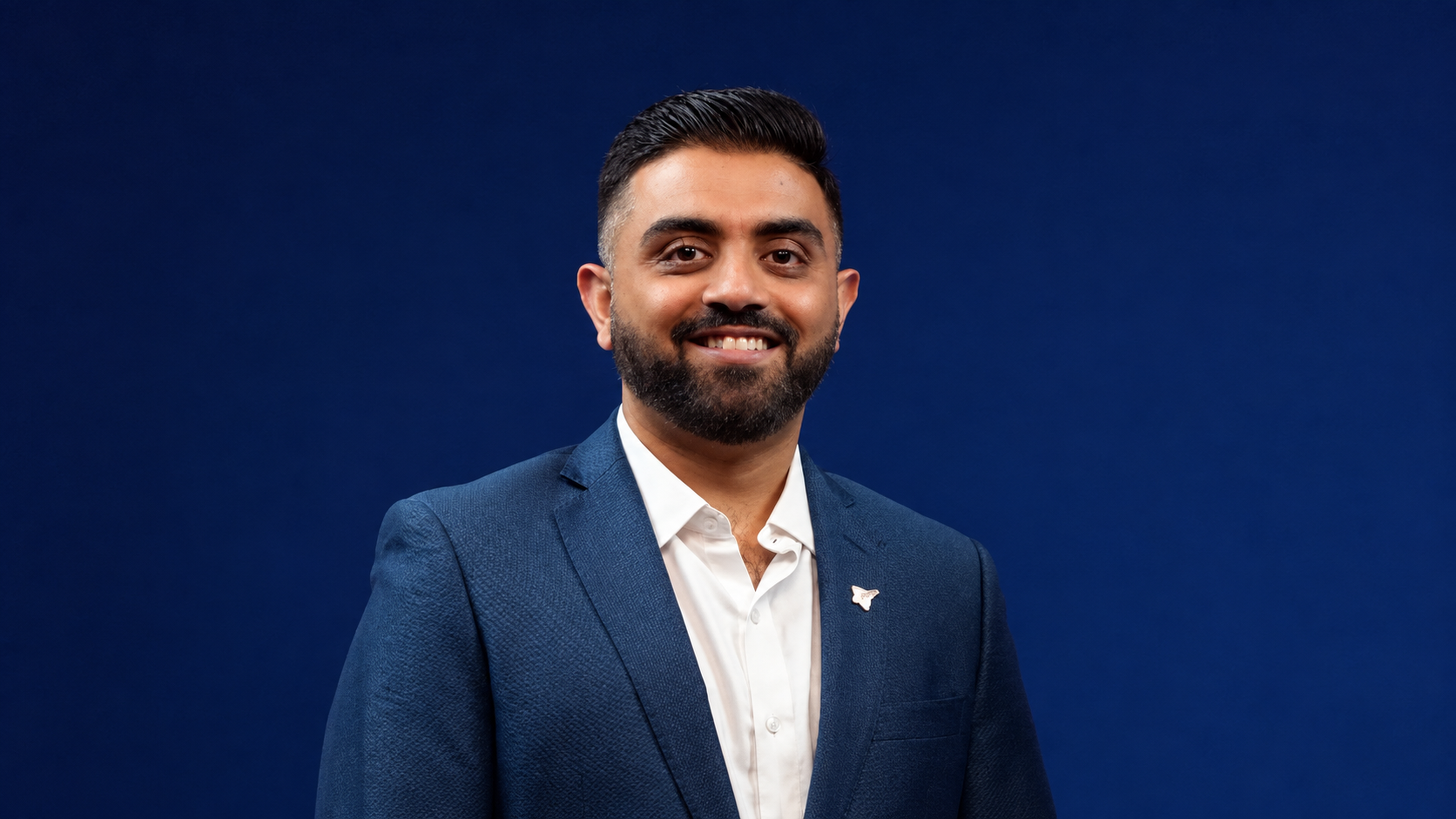


Captain Smit Machchhar, an Indian-origin pilot flying for FlyDubai, was stabbed in the cockpit of flight FZ1073 on Wednesday morning while en route from Dubai to Tel Aviv. His Omani co-pilot attacked him with a knife in an attempt to seize control of the aircraft. Despite his injuries, Machchhar fought back. Israeli passengers and additional crew members intervened, subdued the attacker, and helped bring the plane under control. The aircraft made an emergency landing in Tabuk, Saudi Arabia. All approximately 180 people on board survived. A major disaster was averted because one captain refused to yield.
Machchhar is a Direct Entry Captain with FlyDubai who joined the airline in June 2022. Before that he spent nearly eleven years with the Indian carrier SpiceJet, rising to the role of Line Training Captain. He has logged approximately 9,750 flying hours, the great majority on Boeing 737 variants including the 737-800 and 737 MAX 8/9. More than 6,400 of those hours were as Pilot in Command. He is of Gujarati origin and holds a business administration degree. His professional background includes pilot mentoring and safety compliance.
The Attack In The Cockpit
Roughly two hours after departure from Dubai, while the Boeing 737 MAX 8 was over Jordanian airspace, the Omani co-pilot turned on Machchhar. He stabbed the captain and tried to force him from the controls. The aircraft plunged more than 14,000 feet in under thirty seconds. Emergency codes were transmitted, including the international signal for unlawful interference. Passengers heard screams from the front of the plane. The situation inside the cockpit was chaotic and bloody.
Machchhar, though wounded, resisted. His resistance bought critical seconds. Israeli passengers near the front forced their way toward the flight deck. Together with other crew members traveling on the flight, they pulled the co-pilot out and restrained him. An Israeli medical professional on board treated Machchhar’s stab wounds and worked to keep him conscious. Off-duty pilots among the passengers assisted in stabilizing the aircraft and guiding it to a safe landing.
The Attacker
The co-pilot has been identified in multiple reports as an Omani national who had been employed by flydubai for less than a year. His personal name has not been publicly released by authorities. Israeli officials are treating the incident as a suspected terrorist act. They have stated that the combination of the stabbing and the attempt to take control indicated an intent to crash the aircraft with everyone on board. The co-pilot is in Saudi custody and is being questioned. Investigators are examining his background, including questions about dual citizenship and how he came to be assigned to an Israel-bound flight.
Professional Skill Under Extreme Conditions
Machchhar’s extensive experience on the Boeing 737 family proved decisive. As Pilot in Command he retained final authority even while under physical assault. His ability to resist long enough for others to intervene, and the subsequent coordinated response by passengers and additional crew, prevented the aircraft from being lost. Flight data showed a dramatic and dangerous loss of altitude. The fact that the plane was recovered and landed intact is a direct result of that resistance and the rapid assistance that followed.
Both pilots were hospitalized in Saudi Arabia after the landing. Machchhar’s injuries were serious enough that he could not continue flying the aircraft himself. The successful outcome rested on the combination of his fight in the cockpit and the willingness of passengers, particularly Israelis on board, to act without hesitation.
A Narrow Margin
One hundred and eighty people boarded a routine commercial flight. One of the two men at the controls decided to turn the journey into a potential mass-casualty event. Captain Smit Machchhar was stabbed yet continued to resist. Passengers and fellow crew members finished what he began. The plane is on the ground. Everyone is alive.
The investigation into the Omani co-pilot’s motives and background continues. What is already established is the sequence of events and the central role played by the Indian captain who refused to surrender the aircraft. In the confined space of a cockpit at altitude, with a knife in play and the plane diving, Smit Machchhar held the line long enough for help to arrive. That is the difference between catastrophe and survival.