


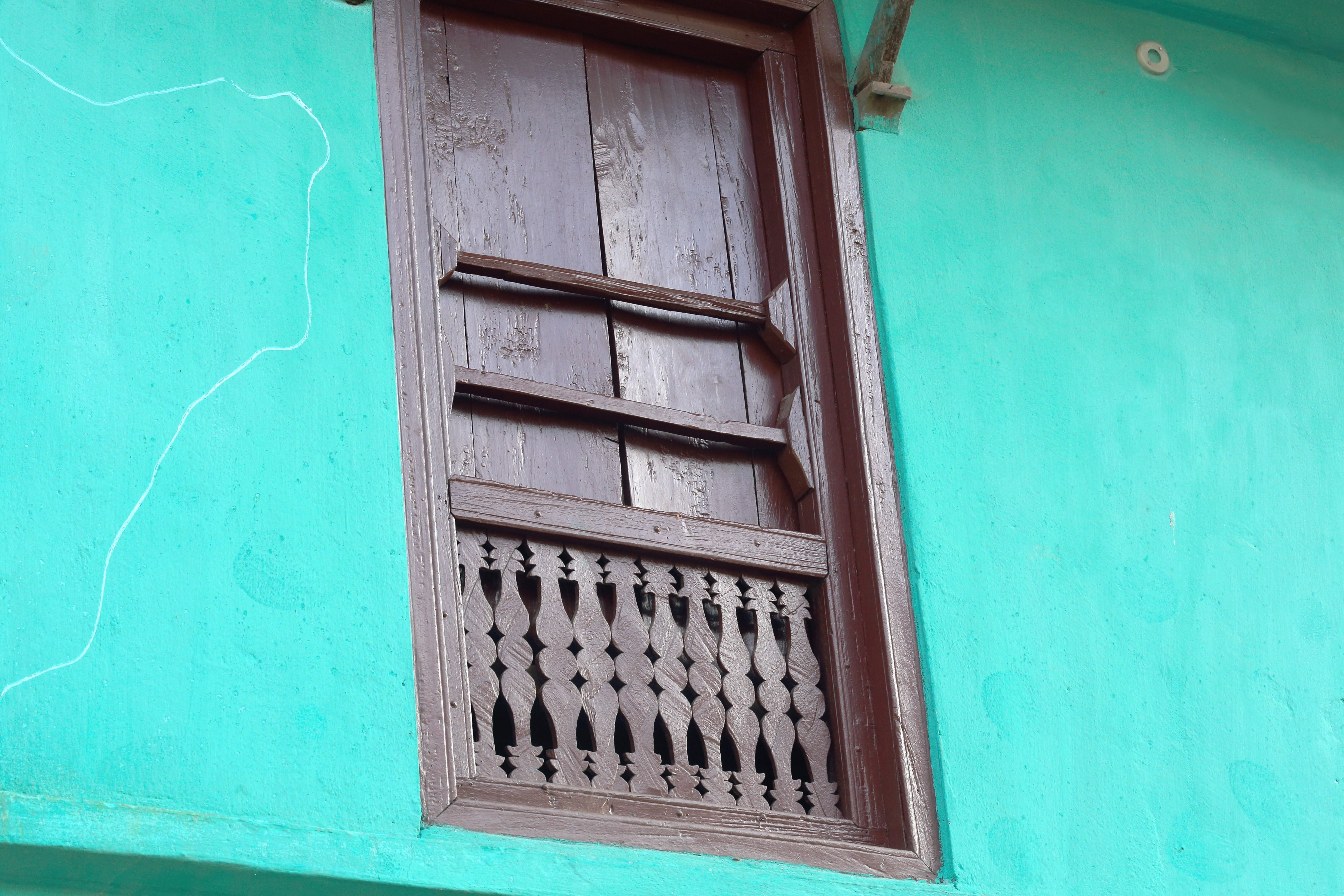


In the final days of August 2026, catastrophic flash floods tore through parts of Nepal after a glacial collapse and ice-rock avalanche near the border with Tibet. The resulting wall of water, mud, and debris raced down the valleys, destroying homes, roads, and entire communities. Hundreds of people lost their lives. Thousands more remained missing or displaced as rescue teams worked through mud and rubble. Amid that widespread devastation, one mint-green house in Battar, Nuwakot district of Bagmati Province stood firm. The family sheltering inside it also survived. Their story quickly became one of the most widely shared images of endurance to emerge from the disaster.
Video footage captured the house surrounded by raging floodwaters. Neighbouring buildings collapsed or were swept away. Debris slammed past the structure. On the upper balcony, members of the family could be seen watching the torrent below them with nowhere else to go. The ground floor took heavy damage. Doors and windows were ripped out. Yet the main frame of the house held. When the waters began to recede, neighbours used ladders and ropes to help the family down to safety. Later accounts confirmed that the residents, including Laxmi Pandey Pyakurel, her husband Prakash, their children, her parents-in-law, and a neighbour, all made it out alive.
The Scale Of The Disaster
The floods ranked among the worst natural disasters to strike Nepal in recent years. A sudden release of water and debris from higher elevations created a powerful surge that moved with terrifying speed through the Trishuli River corridor and surrounding areas. Villages and settlements along the path suffered extensive destruction. Hydropower sites reported workers trapped in tunnels. Roads and bridges disappeared. Search and rescue operations continued for days as the death toll climbed past several hundred and the number of missing persons remained in the thousands at various points.
In the middle of this destruction, the green house became a rare visible point of hope. Social media users shared the footage widely, many expressing fear for the people visible on the balcony. Follow-up videos and reports later confirmed their survival and rescue. The contrast between the ruined neighbourhood and the single standing structure made the images especially powerful.
How The House Withstood The Flood
Engineering analysis of the footage pointed to clear structural reasons for the building’s survival. Many homes in the region rely on traditional stone masonry construction. Such buildings can support vertical loads effectively but often fail when struck by strong lateral forces of the kind generated by fast-moving floodwaters filled with debris. The mint-green house, by contrast, featured a reinforced concrete frame. Continuous steel reinforcement tied the columns, beams, and foundation together into a single rigid skeleton. This design allowed the structure to absorb and redistribute sideways pressure rather than collapsing under it.
The compact shape of the house and its position relative to the main flow of water also contributed. The strongest current appears to have moved around the building rather than directly through its core. Mud and debris that collected nearby may have further deflected later surges. Floodwaters still poured through the lower level and caused significant interior damage, yet the primary frame remained intact long enough for the family to wait for help.
Claims circulated online that the house belonged to a pastor and had received special protection. Those claims were debunked. What remains verified is more practical and instructive: solid modern construction, favourable positioning, and the determination of the people inside.
The Family’s Ordeal
Laxmi Pandey Pyakurel later described the experience in stark terms. She said the family saw death very closely and believed those moments might be their last. She told the others that if they had to die, they would die together. The group stayed on the balcony as the water rose and the force of the flood shook the building. One family member compared the pounding of the water to something more intense than previous earthquakes they had lived through.
When the flood began to ease, local residents reached them with ladders and ropes. The family was brought down safely. In the days that followed, Laxmi expressed ongoing disbelief that they had survived. She said they had received a new life and still struggled to accept that they were alive after watching the videos of the event. Their son, who had been at school in a safer area, was also unharmed.
The psychological weight of such an experience is heavy. Watching a neighbourhood disappear while trapped in a building that might fail at any moment leaves lasting marks. At the same time, their survival provided one of the few clear stories of rescue and endurance from a disaster defined by loss.
Lessons In Construction & Preparedness
The green house has prompted discussion about building standards in flood-prone and mountainous regions of Nepal. Reinforced concrete frames cost more and require greater technical skill than traditional methods, yet the difference in performance under extreme lateral force is dramatic. In areas exposed to glacial lake outburst floods, river surges, and heavy monsoon events, the choice of construction materials and design can determine whether a family lives or dies.
Location also matters. Buildings situated slightly away from the primary channel of a potential debris flow gain a measurable advantage. Simple design features that allow water to pass around rather than through a structure can reduce the chance of catastrophic failure. The green house demonstrated these principles in real time under the most severe conditions.
Nepal faces recurring risks from earthquakes, landslides, and flooding linked to its steep topography and changing climate patterns in the high Himalayas. Stories such as this one underline the practical value of stronger building codes, better enforcement, and public awareness of structural resilience. Survival in this case depended on engineering decisions made years earlier as much as on luck or timing.
A Symbol Amid Widespread Loss
The overall human cost of the August 2026 floods remains severe. Families continue to search for missing relatives. Entire communities must rebuild from almost nothing. Aid organisations and government teams have focused on emergency shelter, medical care, and the difficult work of recovery. In that context, the green house and the family who waited out the storm on its balcony stand as a limited but meaningful counterpoint.
Their experience does not diminish the scale of the tragedy. It does illustrate that survival remains possible when structures hold and people refuse to surrender hope. The images of the mint-green house surrounded by destruction, the figures on the balcony, and the later confirmation of rescue have already become part of the visual record of the disaster. They will likely remain so.
The floods of late August 2026 will be remembered for the lives lost and the communities erased. They will also be remembered for the house that did not fall and the family that walked away from it. In the face of overwhelming natural force, that outcome offers a clear reminder of the difference that sound construction and human resilience can make.
Featured image credit: DepositPhotos.com