

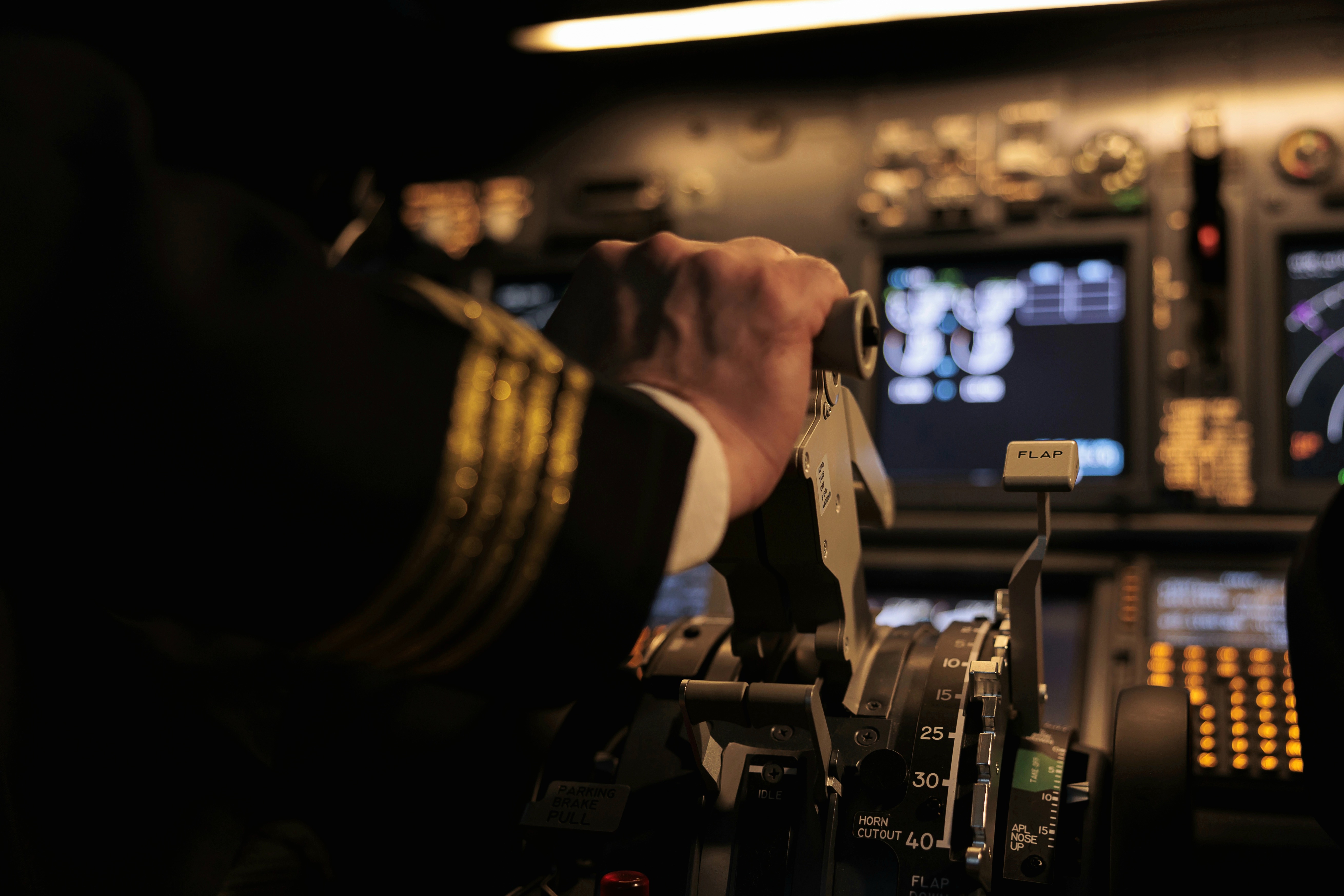


Not every act of heroism requires a uniform or a cape. Sometimes it requires a pilot who refuses to surrender the controls of a commercial airliner even after being stabbed. Captain Smit Machchhar, an Indian-origin flyer for FlyDubai, did exactly that on Wednesday morning. His Omani co-pilot attacked him with a knife inside the cockpit of flight FZ1073 and attempted to take control of the aircraft. Machchhar fought back while wounded. Israeli passengers and other crew members joined the struggle, subdued the attacker, and helped bring the plane under control. The aircraft, carrying 174 passengers including 27 children, made an emergency landing in Tabuk, Saudi Arabia. Every person on board survived.
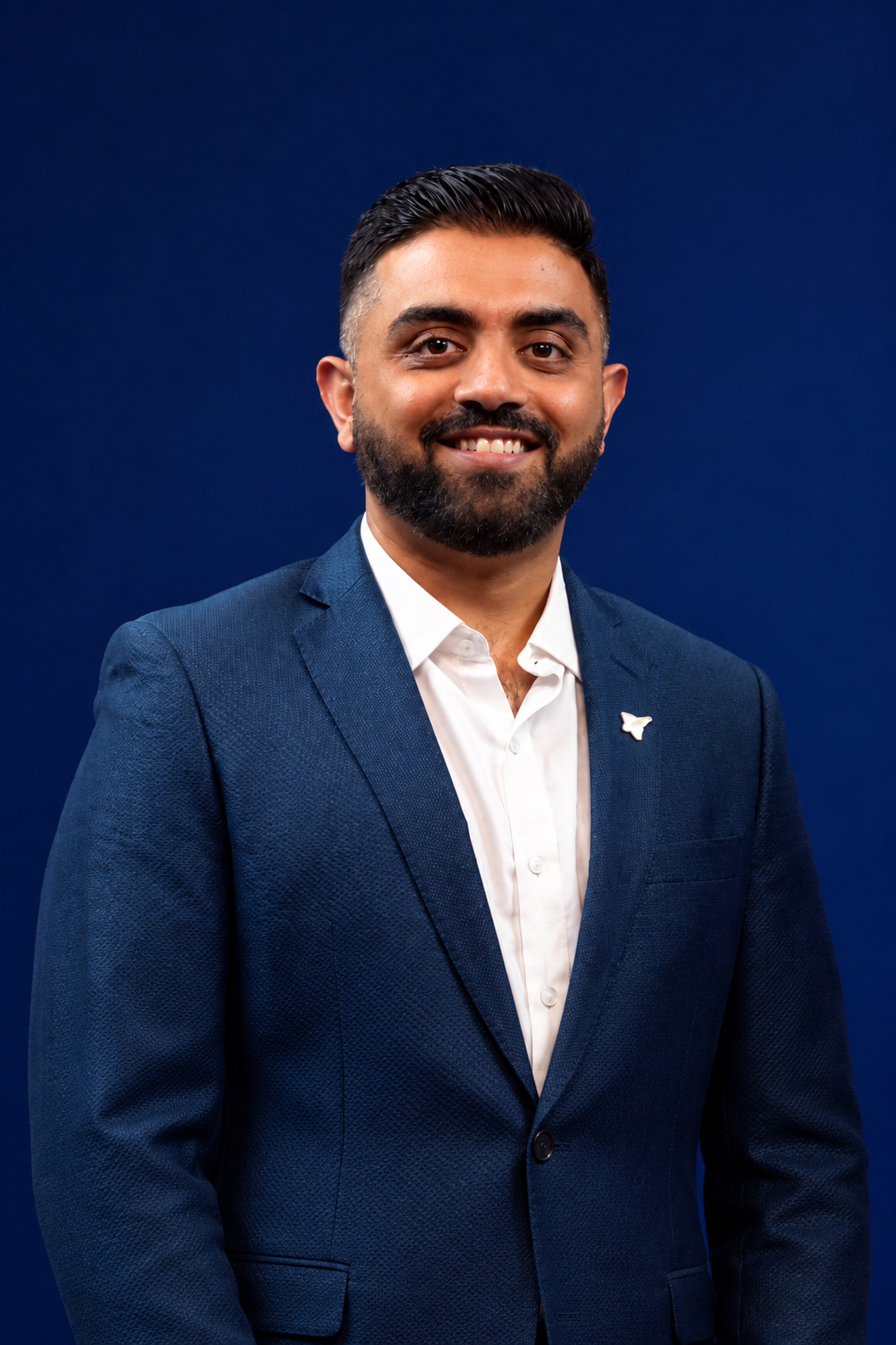
Machchhar is the captain who held the line when seconds mattered. His resistance created the opening that allowed others to act. In doing so he helped prevent what Israeli officials have described as a potential mass-casualty disaster.
The Captain & His Record
Smit Machchhar is an Indian national of Gujarati origin. He joined FlyDubai in June 2022 as a Direct Entry Captain after nearly eleven years with the Indian airline SpiceJet, where he served as a Line Training Captain since June 2011. He has accumulated approximately 9,750 flying hours, almost entirely on Boeing 737 aircraft including the 737-800 and 737 MAX variants. More than 6,400 of those hours were logged as Pilot in Command. That level of experience on a single aircraft family gave him an intimate understanding of the jet’s systems and behavior under stress.
On the morning of September 30, 2026 he was in command of the Dubai to Tel Aviv service. Roughly two hours after takeoff, while the Boeing 737 MAX 8 was over Jordanian airspace, the co-pilot turned on him.
The Attack & The Response
The Omani co-pilot stabbed Machchhar and tried to force him from the controls. The aircraft plunged more than 14,000 feet in under thirty seconds. Emergency codes were transmitted, including the international signal for unlawful interference. Passengers heard screams from the cockpit. The plane appeared to be going down.
Despite his injuries Machchhar continued to resist. That resistance bought critical time. Israeli passengers near the front of the cabin forced their way toward the flight deck. Together with additional crew members traveling on the flight they pulled the co-pilot out and restrained him. A medical professional among the passengers treated Machchhar’s wounds and worked to keep him conscious. Off-duty pilots on board assisted in stabilizing the aircraft and completing the emergency landing in Tabuk.
Both pilots were hospitalized after the landing. The co-pilot, an Omani national whose personal name has not been publicly released, is in Saudi custody and is being questioned. Israeli authorities are treating the incident as a suspected terrorist act aimed at crashing the aircraft with everyone on board.
Why His Actions Matter
In the confined space of a cockpit at altitude, with a knife in play and the aircraft in a rapid descent, the difference between survival and catastrophe is measured in seconds and will. Machchhar did not yield. His professional discipline and personal courage under direct physical assault created the conditions for the successful intervention that followed. The 174 passengers, many of them Israeli, are alive because the captain fought.
Flight tracking data captured the severity of the dive. Passenger accounts describe blood, chaos, and the urgent physical struggle to secure the attacker. The safe arrival of every person on that aircraft is the direct result of that struggle.
A Quiet Professional Who Became A Lifeline
Smit Machchhar did not set out to become a public figure. He was doing his job as pilot in command of a routine commercial flight. When the co-pilot attacked, he responded as a professional who understood that the lives of everyone on board depended on keeping the aircraft under some form of control long enough for help to arrive. He succeeded.
The passengers have since returned to Israel. The investigation into the co-pilot’s background and motives continues. What is already established is the sequence of events and the central role played by the Indian captain who refused to surrender. Not all heroes wear capes. Some wear the uniform of an airline pilot and simply refuse to let the plane go down.