

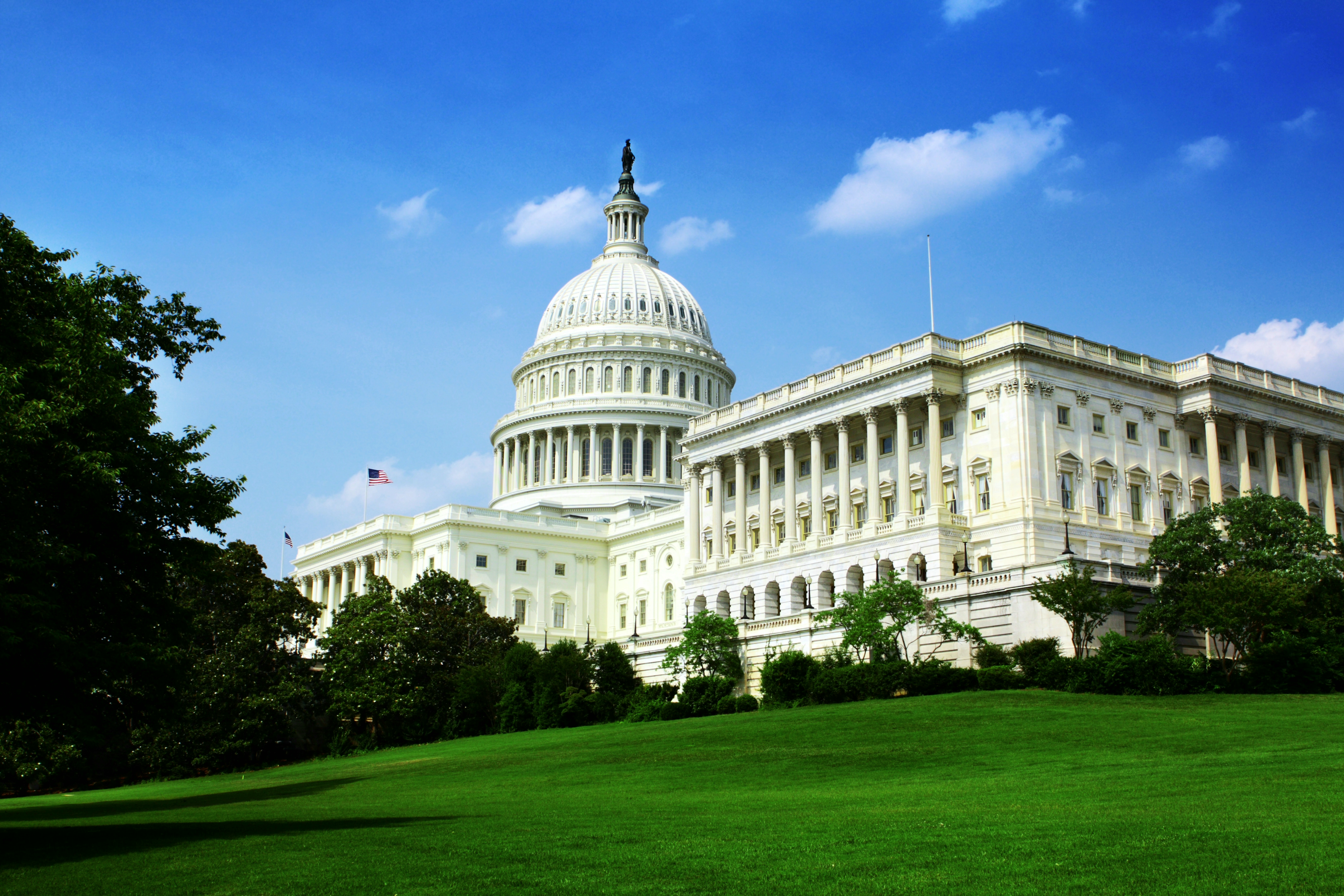


Senator Ted Cruz chaired a critical Senate Judiciary Subcommittee hearing titled Hidden in Plain Sight: Confronting the Muslim Brotherhood Network in America. The session examined the group alleged domestic networks, influence operations, and long-term strategies inside the United States. Testimony came from former FBI agent Lara Burns, Arielle Klepach of the National Jewish Advocacy Center, and Kyle Shideler of the Center for Security Policy. All five Democratic members of the subcommittee, Senators Sheldon Whitehouse, Richard Blumenthal, Mazie Hirono, Alex Padilla, and Peter Welch, boycotted the hearing after announcing their refusal in advance.
Cruz opened by highlighting the empty seats on the Democratic side of the dais. He called the absence an embarrassment and asked the American people why not a single minority member decided that a hearing on terrorism was worth their time. He linked the boycott in part to the recent primary win of Abdul El-Sayed in Michigan and family ties to Brotherhood-linked organizations. Democrats issued a joint statement dismissing the hearing as scapegoating Muslims and a political creepshow. Their focus, they claimed, remained on other matters.
This boycott reveals more about the current state of one political party than any prepared statement could. When elected officials refuse to examine evidence of a documented Islamist network operating inside the United States, they abandon their duty to confront threats to national security and constitutional order.
The Substance Of The Hearing
The hearing rested on a substantial public record. Former FBI Special Agent Lara Burns, who led the Holy Land Foundation investigation, detailed how that 2008 prosecution produced wiretaps, internal memos, organizational charts, and meeting transcripts. These materials laid bare a sprawling American infrastructure tied to the Muslim Brotherhood and its support for Hamas. Prosecutors identified a broader network of organizations operating within the United States, including entities connected to the Islamic Society of North America, the North American Islamic Trust, and the Council on American-Islamic Relations.
Witnesses described a deliberate, multi-decade strategy. The Brotherhood seeks gradual influence through nonprofits, student groups, civil rights organizations, political partnerships, and institutional access. The goal is not isolated charity or community service. It is the long-term transformation of Western societies from within. Testimony highlighted how campus activism after October 7, 2023, did not emerge spontaneously. It reflected organized networks that had spent years building infrastructure and normalizing support for designated terrorist organizations.
Kyle Shideler of the Center for Security Policy addressed partnerships between Brotherhood-linked groups and leftist organizations, including the Democratic Socialists of America. He described a shared revolutionary objective aimed at undermining the United States Constitution. Arielle Klepach of the National Jewish Advocacy Center focused on the impact of these networks on Jewish communities and the broader culture of intimidation that follows when such influence goes unexamined.
Cruz used the hearing to connect these longstanding patterns to current political developments. He pointed to Abdul El-Sayed recent Democratic primary victory in Michigan for the United States Senate. Witnesses noted family ties, including El-Sayed father-in-law connections to Brotherhood-linked groups and relationships with organizations connected to CAIR. Shideler testified that the win illustrated the success of a multi-decade network strategy that sought to normalize support for Hamas and related causes inside American politics.
The Boycott And Its Meaning
The Democratic decision to boycott was announced in advance. The joint statement framed the hearing as an attack on Muslims rather than an examination of a specific ideological network with a documented history of support for terrorism. This framing is a familiar tactic. It collapses any scrutiny of Islamist organizations into a charge of bigotry against an entire faith community. The effect is to shield networks that openly pursue political and cultural objectives incompatible with the American constitutional order.
Cruz correctly identified the empty chairs as an embarrassment. National security hearings are not optional entertainment. They exist so that the legislative branch can examine threats, hear expert testimony, and inform the public. When one party refuses to participate, it signals that certain topics remain off-limits regardless of the evidence. That posture does not protect minority communities. It protects ideologies and organizations that have repeatedly demonstrated hostility to Western institutions, Israel, and the rights of dissenters within Muslim communities themselves.
The timing of the El-Sayed primary victory added political context. Cruz argued that the Democratic campaign had moved toward open embrace of elements previously kept at arm length. Whether or not every allegation of personal ties holds in court, the broader pattern of influence operations described in the Holy Land Foundation record and subsequent investigations remains part of the public domain. Ignoring that record does not make it disappear.
Why This Matters For American Security
The Muslim Brotherhood is not a vague cultural association. It is an ideological movement with a clear program of societal transformation under Islamic governance. Its American affiliates have faced repeated scrutiny in federal prosecutions for material support to terrorism. Designations by foreign governments and certain American states reflect that record. Treating every examination of these networks as illegitimate scapegoating prevents honest assessment of risks to free speech, campus safety, Jewish communities, and the integrity of civic institutions.
From a conservative perspective, the proper response is clarity and enforcement. The United States has every right to examine foreign-inspired ideological networks that seek to undermine its constitutional system. It has every right to enforce material support laws, tax-exempt status rules, and transparency requirements for organizations that operate in the political and educational spheres. Refusing to hold hearings does not promote tolerance. It promotes willful blindness.
The boycott also highlights a deeper cultural problem. Large segments of the progressive movement have adopted a framework in which criticism of Islamist ideology is treated as inherently suspect. This framework collides with the reality of repeated terror plots, campus disruptions, and open expressions of support for groups dedicated to the destruction of Israel and the subjugation of non-believers. Americans who prioritize the safety of their communities and the preservation of constitutional government reject that framework.
The Path Forward
Senator Cruz performed a public service by holding the hearing despite the empty seats. The testimony from experienced investigators and analysts placed important facts on the record. The American people can evaluate those facts for themselves. They can also evaluate the decision by five senators to absent themselves from a discussion of networks with a documented history of supporting designated terrorist organizations.
National security requires adults in the room. It requires willingness to distinguish between peaceful citizens of any faith and organized ideological movements that pursue incompatible political ends. The Muslim Brotherhood network in America has operated for decades through front groups, influence campaigns, and strategic partnerships. Pretending otherwise does not make the country safer. It makes the next generation of problems more difficult to confront.
The empty chairs on the Democratic side of the dais sent a clear message. A growing number of elected officials prefer to avoid the subject entirely. That preference does not serve the national interest. It does not serve the many Muslim Americans who reject Brotherhood ideology. And it does not serve the broader public that expects its representatives to examine threats rather than hide from them.
Americans should demand better. Hearings on ideological networks that seek to undermine the Constitution are not political theater. They are basic diligence. Senator Cruz held the line. The boycott revealed who would not.
Featured image credit: DepositPhotos.com